





Pneumococcal
Latest News

Advertisement
Latest Videos



Shorts


Advertisement
More News

Tor Härnqvist, MD, discusses immune testing after invasive pneumococcal disease, serotype-informed vaccine selection, and pharmacists' role in supporting patients on immunoglobulin therapy.

Invasive pneumococcal disease may be the first sign of undiagnosed blood cancers and antibody deficiencies in adults, a new study finds.

Authors of a pharmacist-directed transitions-of-care study discuss what drives pneumococcal vaccine hesitancy and how pharmacists can build systematic vaccine screening into inpatient workflows.

Most patients screened by a hospital pharmacist–led transitions-of-care service had unmet pneumococcal and other vaccine needs, and most accepted vaccination when offered.

Pharmacists play a key role in guiding age- and risk-based vaccination decisions to protect against invasive and noninvasive disease.

Peer Reviewed
Long-term use of PPIs—and, to a lesser degree, histamine 2 receptor antagonists—may increase the risk of bacterial infections, including C difficile and pneumonia, underscoring the need for pragmatic prescribing.
Time-to-vaccination data from a large diabetes cohort reveal delayed, incomplete uptake of pneumococcal vaccination, with age and citizenship emerging as the strongest predictors.

IPD survivors face years of sharply elevated recurrence risk, yet vaccination remains low.

Learn how common meds, immunosuppressants, steroids, anti-CD20 biologics, and antivirals change vaccine timing for the best.

Pharmacists can provide updated vaccine recommendations and offer immunizations during MTM consults.
Federal guidelines and clinical evidence suggest that doubling or even tripling up on shots is not only safe but is also a best practice.

With this approval, Capvaxive is the only PCV specifically indicated and studied in the US for use in this patient population.

High pneumococcal community-acquired pneumonia burden in older adults highlights the critical role of pharmacists in driving 21-valent vaccine uptake and patient-centered prevention strategies.

A single intranasal formulation demonstrated protection against SARS-CoV-2, bacterial pneumonia, and allergens for up to 3 months in preclinical models.


Six months following pneumococcal vaccination, over 70% of patients lost their protective titers, suggesting the need for more optimal vaccination strategies.

Serotypes included in the pneumococcal 21-valent conjugate vaccine (PCV21) cause outsized disease and economic burden in Norwegian patients with pneumococcal disease.

New findings highlight the need for pneumococcal booster vaccinations in children with sickle cell disease to maintain immunity and prevent serious complications.

The pneumococcal 13-valent conjugate vaccine (PCV13) was effective at preventing pneumococcal lower respiratory tract infection (LRTI) in older patients from Thailand.

Investigators determined a series of risk factors that can lead to complicated pneumococcal bacteremia, including older age and key comorbidities.
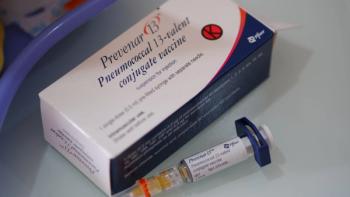
Post pandemic, invasive pneumococcal disease cases rise among youth due to declining vaccination rates, highlighting urgent public health concerns.

The SmartPhrase listed indications for PCV20 aligned with CDC guidelines and was incorporated into provider documentation, significantly improving vaccine uptake.

A series of predictors were associated with a higher likelihood of intensive care unit (ICU) admission and subsequently poor outcomes in patients with Streptococcus pneumoniae bacteremia.

Knowledge of serotype prevalence and virulence can optimize the management of community-acquired pneumonia.

Adults in the United States are often infected by serotypes of Streptococcus pneumoniae unique to the pneumococcal 21-valent conjugate vaccine (PCV21) compared with those unique to PCV20.
Advertisement
Advertisement
Trending on Pharmacy Times
1
FDA Reportedly Shelves Commissioner's National Priority Voucher Program
2
Belantamab Mafodotin Moves Into Lenalidomide-Refractory Myeloma in Updated NCCN Guidelines
3
Glucose Monitoring: Timing Makes Every Reading Count
4
Inside the OCEANIC-STROKE Trial and What Asundexian Means for the Future of Stroke Prevention
5