VAX-31 met all primary end points against PCV20 and PCV21 in the pivotal phase 3 OPUS-1 trial.
The pneumococcal 13-valent conjugate vaccine (PCV13) was effective at preventing pneumococcal lower respiratory tract infection (LRTI) in older patients from Thailand.
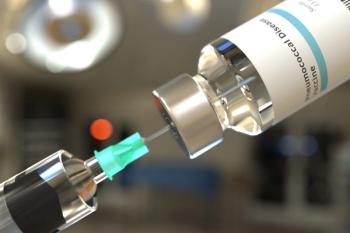
The pneumococcal 13-valent conjugate vaccine (PCV13, Prevnar 13; Pfizer) demonstrated real-world effectiveness in preventing medically attended pneumococcal lower respiratory tract infection (LRTI) among older adults in Thailand, according to new data published by study investigators in Scientific Reports.1
In 2013, the CDC and Advisory Committee on Immunization Practices (ACIP) recommended the routine use of PCV13 in series with the 23-valent pneumococcal polysaccharide vaccine (PPSV23) for adults 65 years and older. Although the serotypes constituting those targeted by PCV13 have decreased in prevalence—therefore no longer necessitating a broad recommendation for adults—PCV13 is still recommended for all older adults who have not previously received it. Shared clinical decision-making for adults who do not have an immunocompromising condition is recommended when considering PCV13 vaccination.1,2
Pneumococcal disease remains a scourge globally, classified as a leading cause of hospitalized community-acquired pneumonia among older adults. Vaccination with PCVs has reduced this burden, but although numerous studies have evaluated and affirmed the real-world effectiveness of PCVs, uptake in low- or middle-income countries (LMIC) is more limited.1
In Thailand, more work is necessary to increase pneumococcal vaccine uptake. For children, PCV has been recommended in national guidelines, but it is considered optional for high-risk adults, limiting uptake in this population. This is despite the fact that common pneumococcal serotypes in Thailand are included in those targeted by the PCV13 vaccine and that research has shown that the vaccine is a cost-effective option compared with either PPSV23 or no vaccination.1,3
To better inform national vaccine policy in Thailand and other LMICs, greater efforts to uncover real-world evidence on the effectiveness of PCV13 are necessary. LRTI is an especially serious presentation of Streptococcus pneumoniae. It contributes to high mortality rates in older adults due to severe cough, high fever, fatigue, chest pain, and breathing difficulties. Therefore, the current authors sought to evaluate PCV13’s effectiveness at preventing medically attended LRTI in older adults.1,4,5
In the case-controlled study (NCT06279624), data of adults 60 years and older were retrospectively collected from Siriraj Hospital, a major university-affiliated hospital in Bangkok, Thailand. Vaccination status was determined based on documentation of a PCV13 dose more than 2 weeks prior to the date of medical attendance for LRTI. In total, 275 patients whose samples yielded Streptococcus pneumoniae and 550 control patients admitted to Siriraj Hospital between January 2014 and December 2024 were included in the analysis.1,6
The authors first analyzed characteristics of pneumococcal LRTI. Admissions to an intensive care unit were observed in 20.5% of PCV13-vaccinated patients compared with 35.2% of controls. There was a lesser requirement for mechanical ventilation at admission among patients who received PCV13 compared with unvaccinated controls (20.0% vs 54.1%). Importantly, all patients with pneumococcal LRTI and vaccinated with PCV13 were discharged without in-hospital mortality, compared with a 19.3% mortality rate in unvaccinated individuals.1
According to a crude analysis, PCV13 was tied to a statistically significant reduction in the odds of medically attended pneumococcal LRTI (OR, 0.28; 95% CI, 0.11-0.73). This corresponded with an estimated vaccine effectiveness (VE) of 71.9% compared with unvaccinated patients. Following adjustments for confounders, the association remained significant (adjusted OR [aOR], 0.27; 95% CI, 0.08-0.91), providing an adjusted VE of 73.3%.1
Stratified analyses were employed to assess interactions by age group. These suggested that VE against pneumococcal LRTI was comparable between individuals 75 years and older (VE = 59.9%) and those younger than 75 years (VE = 57.4%), confirming the benefits of vaccination for a broad swath of older adults.1
These results affirm the effectiveness of vaccination in older adults from Thailand and could help further proliferate PCV13 among at-risk patients. LMICs could especially benefit from more thorough vaccination campaigns, as pneumococcal disease remains a major burden worldwide.1
“Continued disease surveillance and reevaluation of vaccine effectiveness are essential, especially in countries where the introduction in children has already existed and has achieved high coverage,” the study investigators concluded.1