




Pain Management
Latest News
Advertisement
Latest Videos





















































































Advertisement
More News

Intranasal ketamine may remain a potentially viable treatment method for acute pain.
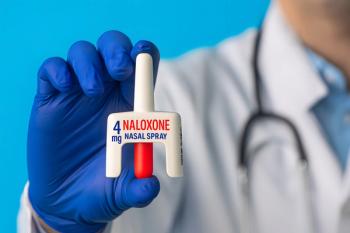
Pharmacists secure patient safety by suggesting naloxone with opioid medications based on the MME thresholds, comedications, risk factors, and state regulations.
Explore how pharmacogenomics enhances opioid therapy for effective pain management, optimizing analgesia while minimizing risks of adverse effects.

Psychiatric pharmacists enhance substance use disorder (SUD) care through interdisciplinary collaboration, advocating for policy changes to improve patient outcomes and access to treatment.
Psychiatric pharmacists enhance opioid use disorder treatment through innovative protocols, collaboration, and education.

Psychiatric pharmacists enhance substance use disorder (SUD) care by managing medications and treatment strategies.
There are evolving recommendations for aspirin use, including optimal drug dosages and patient selection for effective cardiovascular prevention.

Lessons learned from interprofessional spiritual training and the evolving role of palliative care pharmacists toward an integrated and patient-centric health care system.
The most impactful FDA approvals of 2025 feature groundbreaking treatments for mental health, STIs, diabetes, pain relief, and cardiovascular health.
Pharmacists are crucial in combating opioid use disorder, enhancing treatment options, and reducing drug overdose deaths linked to fentanyl.

Pharmacists can educate patients about FluMist for at-home administration and opioid labeling changes.

A new FDA-approved sublingual form of cyclobenzaprine HCl shows promising efficacy and tolerability in fibromyalgia.
Pharmacists support acute pain management in patients on MOUD through education, optimizing therapy, guiding analgesia, and ensuring safe transitions of care.

With Growing Patient Interest in Natural Remedies, Pharmacists Must Understand the Science, Safety, and Limitations of Essential Oils

Guselkumab and paltusotine received FDA approval, Kenvue announced the new Tylenol Precise Pain-Relieving Patch, and a new generic version of mifepristone received the green light from the FDA.
Overdoses remain alarmingly high despite new tools like OTC Naloxone, highlighting persistent barriers to care.
GLP-1 receptor agonists show potential as innovative treatments for alcohol and substance use disorders, addressing critical public health needs.
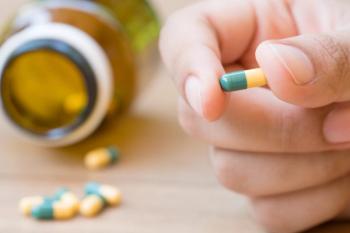
Combining tramadol with CYP2D6-inhibiting antidepressants raises seizure risk in older adults, highlighting the need for careful medication management.
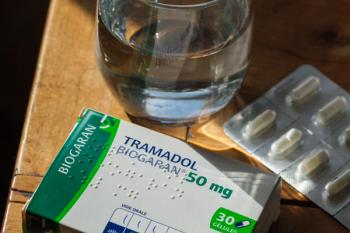
Tramadol provides only limited pain relief while carrying a significant risk of serious adverse effects.
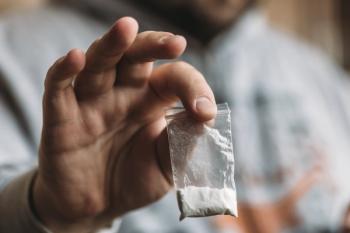
Research reveals semaglutide's potential to reduce cocaine-seeking behavior in rats, suggesting a promising avenue for treating cocaine dependency in humans.
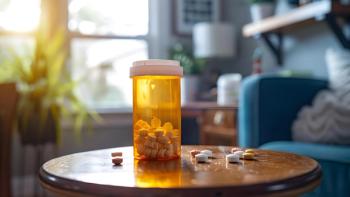
Pharmacists play crucial roles in opioid use disorder treatment.
FDA approves Tonmya, the first new fibromyalgia treatment in 15 years, offering hope for effective pain relief and improved quality of life.

Pharmacists explore kratom's potential benefits and risks, emphasizing the need for education on its effects, safety, and patient guidance.
The action follows 2 FDA-issued complete response letters.
Advertisement
Advertisement