


Pain Management
Latest News
Advertisement
Latest Videos












































































Advertisement
More News
As medetomidine rapidly displaces xylazine as a fentanyl adulterant, pharmacists must recognize its distinct toxidrome, understand why naloxone alone is insufficient, and support updated harm reduction strategies in an increasingly complex overdose landscape.

The study authors also emphasized that close monitoring during gabapentinoid treatment is necessary, and concomitant use with opioids or benzodiazepines should be avoided.

Ketamine, an NMDA receptor antagonist, is increasingly being used in low-dose infusions as a multimodal, opioid-sparing strategy for patients with refractory acute and chronic pain.

Psilocybin-assisted psychotherapy significantly increased cocaine abstinence rates and reduced relapse risk in patients with cocaine use disorder.

Emerging synthetic opioids known as orphines are entering the illicit drug supply with extreme potency and detection challenges.

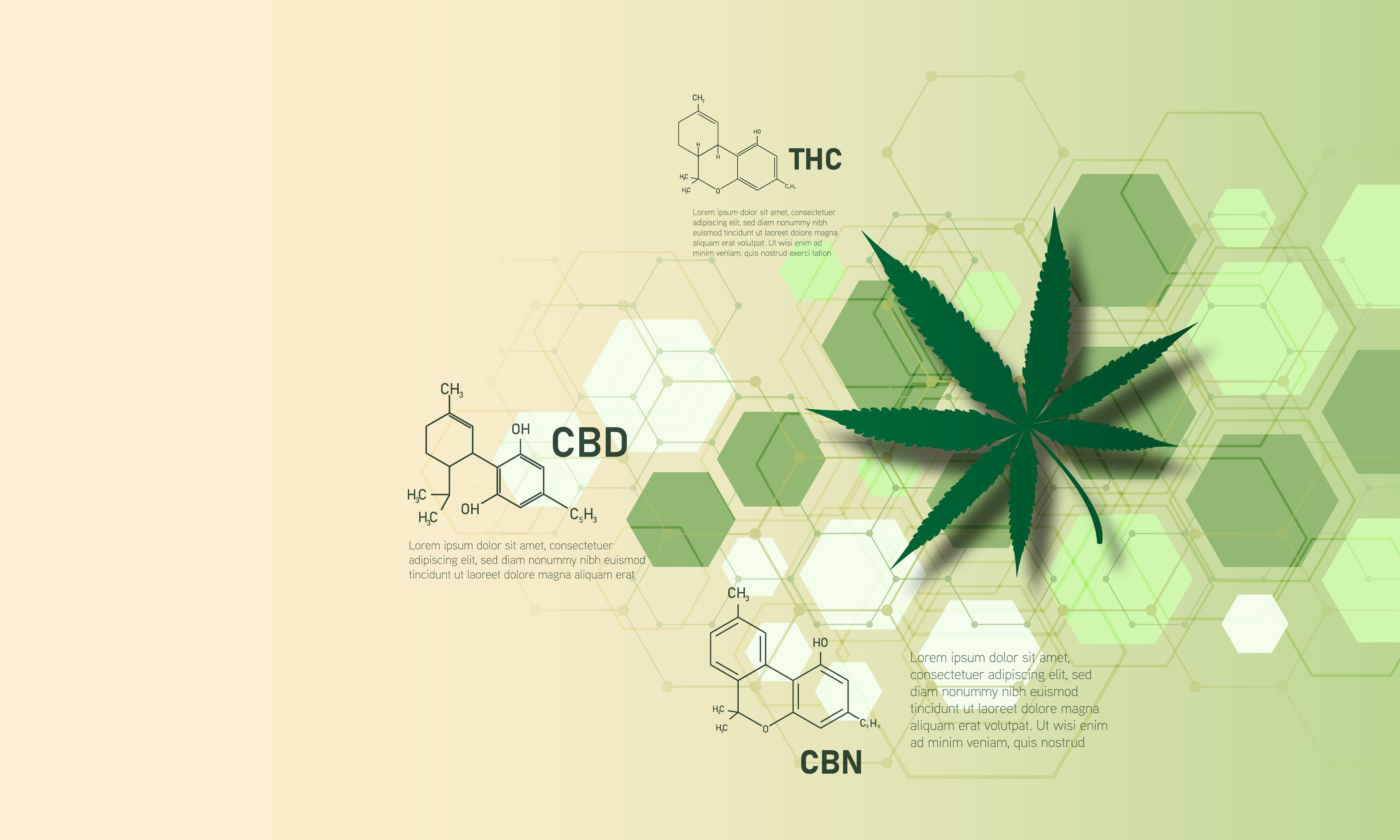
Harm reduction–based counseling frameworks for cannabis use during pregnancy and lactation can improve patient engagement, disclosure, and safety, with pharmacists playing a key role in implementation.

Symptom-based dosing reduced time to medical readiness for discharge compared with scheduled opioid, without increasing short-term safety risks.

Pharmacy learner–led opioid overdose and naloxone training significantly improved community preparedness and confidence in responding to opioid overdoses.

Elevated Cannabis Use Tied to Higher Anxiety and Symptom Burden in Patients With Opioid Use Disorder
Cannabis use is common among patients receiving medications for opioid use disorder and is associated with higher rates of anxiety and other comorbid symptoms.

Emerging data found that initiating low-dose aspirin at giant cell arteritis diagnosis was associated with reduced 1-year major cardiovascular events but an increased risk of major bleeding.

Emerging data find buprenorphine in pregnancy matches methadone for autism and ADHD risk, supporting safer opioid MOUD access in pharmacy care.

LTOT opioid therapy declines, but gabapentinoid coprescribing rises—impact on chronic pain management, safety, and prescriptions.

Explore OTC case studies focused on pain management.
Review drug disposal options and discuss proper medication storage when dispensing.
RUNX1 in microglia helps predict opioid pain relief, higher morphine needs, and withdrawal severity—pointing to genetic screening and safer, personalized pain management.

Although the rates of gabapentin use without a prescription were nearly double those of prescribed use, the trends are decreasing over time.

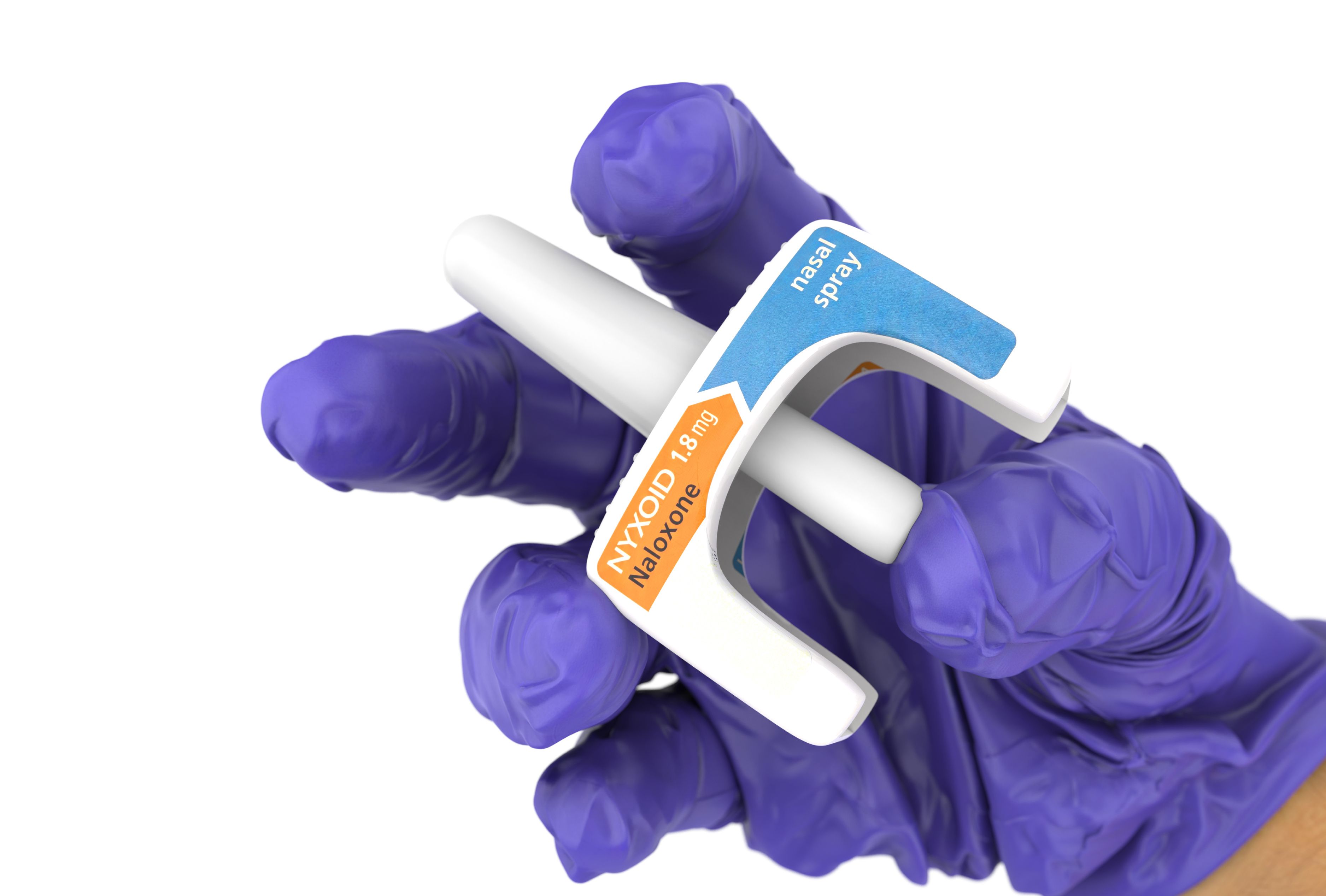
OTC naloxone nasal sprays expand overdose rescue; pharmacists guide proper use, tackle stigma, and help communities curb opioid deaths.

Phase 4 data show suzetrigine controls post–plastic surgery pain, keeping nearly 91% of patients opioid free with good pain ratings and tolerability.

A new 4-pillar framework blends AI, real-time PDMP data, and social determinants of health to spot opioid misuse earlier and reduce overdoses.

Study authors suggest that VA and health care professionals should educate patients on the medical evidence, gaps, policies, and laws related to cannabis.

Canada’s experience demonstrates the risks of sidelining pharmacy in medical cannabis policy.

A pressure vibration device can cut propofol injection pain in patients undergoing surgeries, matching low-dose ketamine without extra adverse events.

Both formulations were also well-tolerated and withdrawal was rare.

Intranasal ketamine may remain a potentially viable treatment method for acute pain.
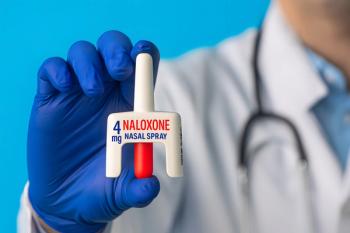
Pharmacists secure patient safety by suggesting naloxone with opioid medications based on the MME thresholds, comedications, risk factors, and state regulations.
Advertisement
Advertisement