


Pain Management
Latest News
Advertisement
Latest Videos






Advertisement
More News


Guselkumab and paltusotine received FDA approval, Kenvue announced the new Tylenol Precise Pain-Relieving Patch, and a new generic version of mifepristone received the green light from the FDA.
Overdoses remain alarmingly high despite new tools like OTC Naloxone, highlighting persistent barriers to care.

GLP-1 receptor agonists show potential as innovative treatments for alcohol and substance use disorders, addressing critical public health needs.

Combining tramadol with CYP2D6-inhibiting antidepressants raises seizure risk in older adults, highlighting the need for careful medication management.
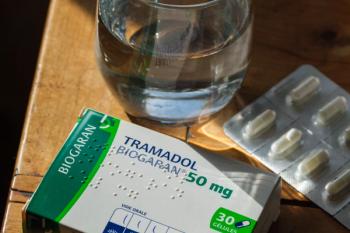
Tramadol provides only limited pain relief while carrying a significant risk of serious adverse effects.

Matthew D. Clark, PharmD, highlights a pharmacist-led program that improved opioid safety in cancer care despite regulatory exemptions.

Discover how pharmacists play a crucial role in the OUD treatment process with buprenorphine, enhancing patient care and recovery outcomes.
MD Anderson's opioid stewardship program enhances patient safety and care by monitoring opioid use, addressing discrepancies, and fostering multidisciplinary collaboration in cancer treatment.

Pharmacists explore virtual solutions for opioid use disorder, enhancing treatment retention and accessibility while addressing economic impacts.
Research reveals semaglutide's potential to reduce cocaine-seeking behavior in rats, suggesting a promising avenue for treating cocaine dependency in humans.

Pharmacists play crucial roles in opioid use disorder treatment.
FDA approves Tonmya, the first new fibromyalgia treatment in 15 years, offering hope for effective pain relief and improved quality of life.

Pharmacists explore kratom's potential benefits and risks, emphasizing the need for education on its effects, safety, and patient guidance.
The action follows 2 FDA-issued complete response letters.

Discover effective strategies for managing opioid-induced constipation, including the role of PAMORAs and pharmacist involvement in pain management.
The FDA intends to update opioid labels to highlight risks of addiction, overdose, and interactions, enhancing safety in pain management practices.

The FDA targets 7-hydroxymitragynine, a potent kratom derivative, as a controlled substance due to its opioid-like effects and rising health risks.
New research links gabapentin use for back pain to increased dementia risk, especially in middle-aged adults.

Micronutrient deficiencies, particularly in vitamins D, B12, and folate, significantly impact chronic pain intensity, suggesting dietary interventions may alleviate symptoms.

Pharmacy-based clinical services demonstrate both public health impact and financial sustainability.

Suzetrigine, a new nonopioid pain reliever, gains FDA approval for treating moderate to severe acute pain in adults, offering a safer alternative to opioids.

A multidisciplinary, technology-enhanced approach supported by executive leadership is essential for effective drug diversion surveillance and regulatory compliance in health systems.

Meloxicam injection gains FDA approval for effective management of moderate-to-severe pain, offering a nonopioid alternative in pain control strategies.

A novel solution can strategically control the release of the drug in vivo.
Advertisement
Advertisement
Trending on Pharmacy Times
1
COVID-19 ‘Is Not Done With Us’: Pharmacist Urges Continued Vaccination Ahead of Seasonal Peaks
2
Tarlatamab and Next-Generation Targeted Agents Headline ESMO 2026 Lung Cancer Data
3
PCSK9 Inhibition Lowers LDL-C in Patients With Kidney Disease
4
Cystatin C and the Future of Kidney Function Assessment
5