


Mental Health
Latest News
Advertisement
Latest Videos







Podcasts





























































































Advertisement
More News

A federal directive to expedite FDA review and expand research pathways for psychedelic therapies signals a potential shift in mental health treatment.

As loneliness becomes a global health threat, pharmacies can take the social responsibility to combat isolation crisis and champion the community's health.

Practical strategies to improve clozapine education, monitoring, and utilization while addressing common barriers and safety concerns.
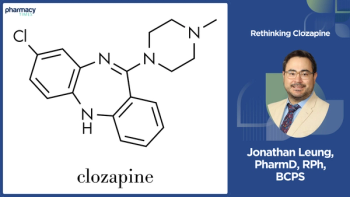
Jonathan Leung, PharmD, RPh, BCPS, discusses the ongoing underutilization of clozapine despite its efficacy, highlighting clinician concerns, lingering perceptions, and the key role pharmacists play in improving its use through education and monitoring.

How to thrive professionally and personally during pharmacy fellowship
Tanika Kelly, PhD, MPH, discusses her study finding that greater chronic kidney disease (CKD) severity significantly increases the risk of cognitive impairment, with important implications for how pharmacists counsel and support these patients.
Milsaperidone is indicated for acute treatment of manic or mixed episodes associated with bipolar I disorder and the treatment of schizophrenia in adults.
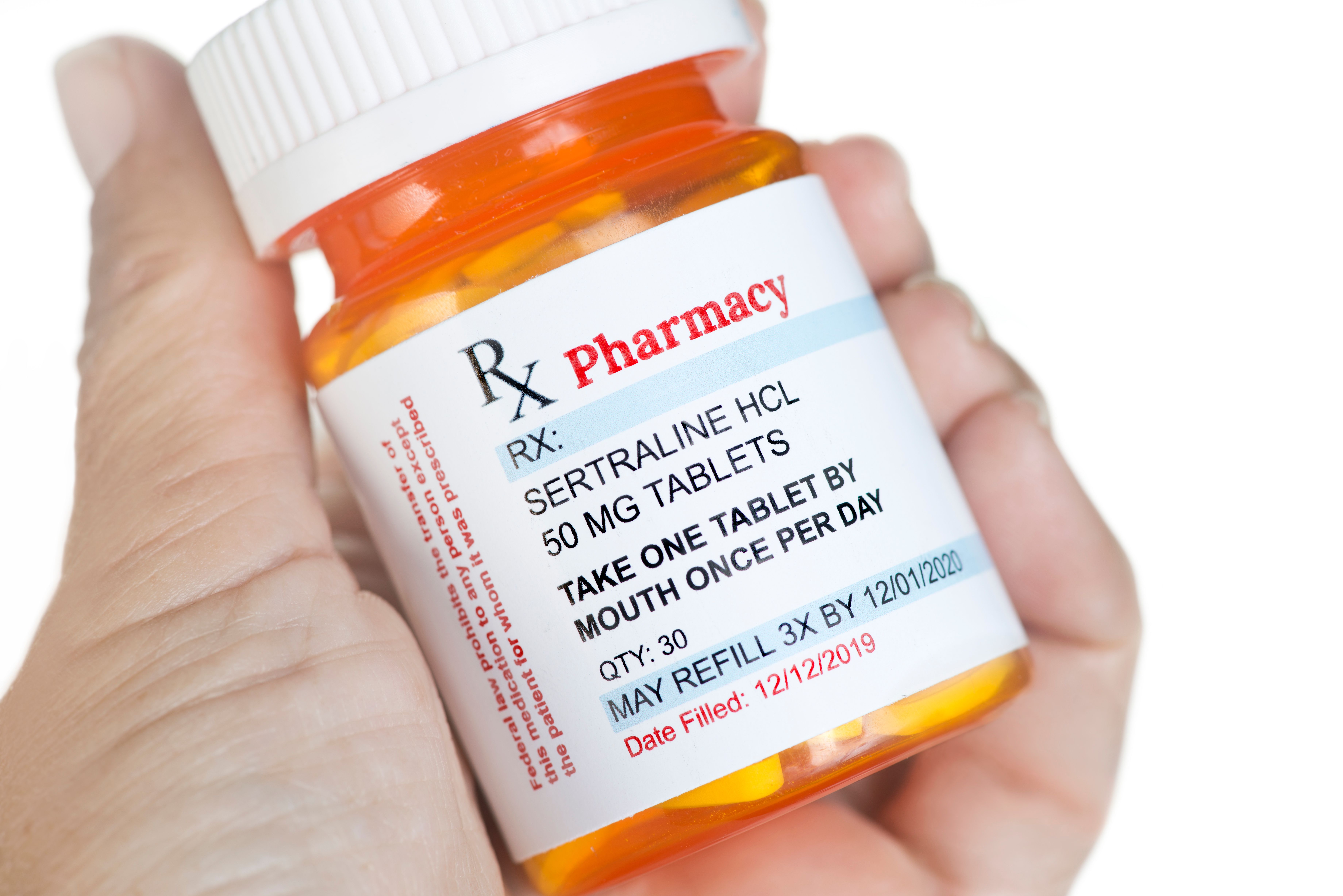
Serotonin transporter occupancy explains sertraline withdrawal symptoms and helps distinguish relapse.
Incretin-based therapies were associated with a lower risk of dementia compared with sulfonylureas in older adults with type 2 diabetes, highlighting potential cognitive benefits relevant to long-term diabetes management.

Real-world FAERS data reveal venlafaxine’s known risks plus rare late-onset events and subgroup patterns, guiding long-term prescribing.

Although historically conceptualized as a childhood condition, it is now well established that ADHD frequently continues across the life span, with symptoms evolving rather than resolving.

The HHS secretary overstated preliminary research showing the benefits of a keto diet in patients with schizophrenia who remain adherent to medications.

In addition to increased prevalence, the age of diagnosis has also decreased.

COVID-19 significantly impacts diagnosis rates for depression, asthma, and osteoporosis, revealing health care inequities and the need for improved monitoring.

Discover groundbreaking FDA-approved treatments, including at-home depression therapy, new biosimilars, and culturally relevant pain relief options.

Dextromethorphan offers unique mechanisms and potential benefits over traditional antidepressants.

The study found that anxiety and depression in those with Parkinson disease were significantly associated with fatigue severity.

Recent research links depression to increased risk of Lewy body dementia and Parkinson disease, emphasizing the need for early detection and awareness.
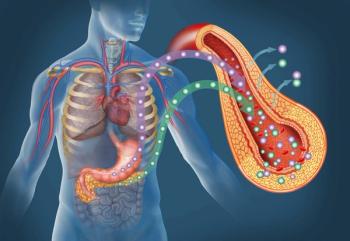
Dipeptidyl peptidase-4 inhibitors and glucagon-like peptide-1 receptor agonists were found to offer neuroprotective effects to patients who were administered the medications.

The glucagon-like peptide-1 (GLP-1) receptor agonist medications evaluated included semaglutide, tirzepatide, and liraglutide.

The findings reemphasize a need for mental health support for those in the pharmacy profession.
Pharmacists play a vital role in mental health care, enhancing treatment continuity and bridging gaps between mental and physical health for patients with serious mental illness.

To effectively and safely taper benzodiazepines, withdrawal challenges must be addressed while promoting patient involvement.
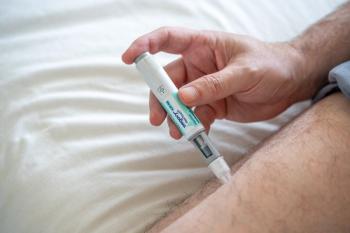
GLP-1 receptor agonists show potential in reducing alcohol cravings and addiction behaviors, offering hope for treating substance use disorders.

Pharmacists play a vital role in the safe integration of psychedelics into healthcare, addressing ethical concerns and ensuring equitable access to treatments.
Advertisement
Advertisement