





Mental Health
Latest News
Advertisement
Latest Videos






Podcasts



















































































Advertisement
More News

New research explores the gut-brain connection, suggesting that improving gut health may enhance mental well-being.

High levels of C-reactive protein in the blood and lower heart rate variability were linked to cardiovascular events in patients with depression, anxiety, or both.

FDA approves lumateperone as a new adjunct therapy for major depressive disorder, offering hope for those with persistent symptoms despite treatment.
The most impactful FDA approvals of 2025 feature groundbreaking treatments for mental health, STIs, diabetes, pain relief, and cardiovascular health.

Kelly Gable, professor and director of well-being and resilience at Southern Illinois University Edwardsville School of Pharmacy, discusses her own cancer journey and how pharmacists need to be more involved and proactive in patients' mental health.

The FDA approves Flow's at-home depression treatment headset, offering a new approach to managing mental health with transcranial stimulation technology.

Pharmacists can enhance patient care through integrated treatment strategies.

Depression and cardiometabolic disease share hormonal, inflammatory, and behavioral pathways requiring integrated pharmacist-led recognition and management.

Coffee Consumption May Reduce Depression Risk and Boost Mood, Offering Potential Benefits for Mental Health


The research further emphasizes the need for more attention on both chronic kidney disease (CKD) and mental health conditions.

As an adjunct to depression treatment, lumateperone reduced depressive symptoms and improved quality of life.

Explore the risks of synthetic 7-hydroxymitragynine (7-OH) products and why natural leaf kratom is a safe alternative.

Explore how pharmacist-led long-acting injectables (LAIs) enhance medical adherence for schizophrenia patients, improving care transitions and outcomes.
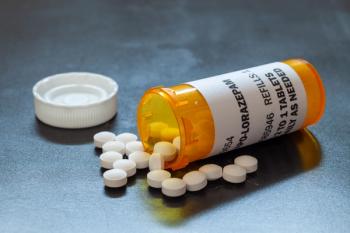
Long-term benzodiazepine use has been linked to lasting cognitive impairments, underscoring the vital role pharmacists play in supporting safe deprescribing strategies.
Rajinder Shiwach, MD, MRCPsych, outlines how pharmacists can strengthen retention, patient education, and access to rapid induction strategies for opioid use disorder treatment.

Heavy workloads, lack of recognition, and stressful environments fuel emotional exhaustion, turnover, and patient safety concerns.

Rajinder Shiwach, MD, MRCPsych, discusses how rapid induction with extended-release buprenorphine improves patient retention and maintains comparable efficacy and tolerability to standard induction methods.

A heightened ratio of non-high-density lipoprotein cholesterol (non-HDL-C) to HDL-C was associated with depression, with risk mediated by body mass index.

Further research is needed to better understand which characteristics may better predict who are more likely to benefit from estrogen-based menopausal hormonal therapy (MHT) for anxiety.

Initiatives aim to reduce residents' high rates of depression and increase self-care skills.

Although long COVID remains a complex disease, pharmacists are critical team members for patient symptom validation, managing polypharmacy, and navigating therapy access.

FDA approves Uzedy, an extended-release injectable formulation of risperidone, enhancing treatment options for adults with bipolar I disorder.
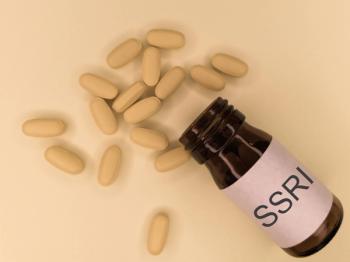
Public debate intensifies as Robert F. Kennedy Jr compares selective serotonin reuptake inhibitors (SSRIs) to heroin, prompting mental health experts to clarify antidepressant use and withdrawal misconceptions.

Combining tramadol with CYP2D6-inhibiting antidepressants raises seizure risk in older adults, highlighting the need for careful medication management.
Advertisement
Advertisement