



































































































Children born to parents with bipolar disorder have a strong likelihood of experiencing episodes of manic symptoms themselves.
Children born to parents with bipolar disorder have a strong likelihood of experiencing episodes of manic symptoms themselves.

The FDA today approved the supplemental new drug application for asenapine (Saphris) as monotherapy for the acute treatment of manic or mixed episodes associated with bipolar I disorder for patients aged 10 to 17 years.

Bipolar disorder can be managed with a variety of FDA-approved pharmacologic treatment options.

Type 2 diabetes may be associated with impairments in cognitive abilities, such as working memory and verbal fluency.

Comorbid anxiety disorders compound challenges associated with bipolar disorder treatment.

Although believed to be distinct, different psychiatric disorders may produce similar loss of gray matter in the brain.

There is greater need for comprehensive medication management (CMM) delivered by board-certified psychiatric pharmacists on the health care team.

Rapid cycling bipolar disorder occurs in up to 20% of bipolar patients, but it is difficult to treat.

Because there are similarities in the symptoms of bipolar disorder and attention-deficit/hyperactivity disorder, differentiating between the 2 psychiatric conditions can be challenging for clinicians.

Patients who take antipsychotic and antidepressant medications frequently experience sexual side effects, necessitating dose adjustments. Lithium is a cornerstone treatment for many patients with bipolar disorder, but few studies have investigated its effect on sexual function.
A different approach to magnetic resonance imaging has shed new light on the brains of patients with bipolar disorder and could help pave the way for better treatment options.

Many patients with bipolar disorder maintain that yoga helps reduce depressive, manic, or hypomanic symptoms, according to a recent study published in the Journal of Psychiatric Practice.

A primary goal of managing atrial fibrillation is relief of symptoms that include dizziness, fatigue, palpitations, shortness of breath, and chest pain. Yet, it is symptomless in up to one-third of patients.

Women diagnosed with polycystic ovary syndrome are more likely to develop heart disease, diabetes, and other chronic conditions than those without the hormone disorder.
The approximately 4% of American adults with bipolar disorder face a litany of challenges, from unpredictable recurrences of hypomanic/manic or depressive episode to poor impulse control.
Thoughts influence the mood swings of patients with bipolar disorder.
The FDA has acknowledged receipt of Actavis's resubmitted New Drug Application for its investigational atypical antipsychotic, cariprazine, which is indicated for the treatment of patients with schizophrenia and manic or mixed episodes associated with bipolar I disorder.
Cognitive impairment in patients with bipolar disorder is a growing research priority. Long suspected to be restricted to those with symptomatic illness, cognitive impairment has also been found in patients who are well controlled and euthymic.
Bipolar patients are among the most difficult to treat, in part because mania is alluring and in part because they are often poor historians. As with any patient who must take medication for a chronic condition, bipolar patients' adherence rates generally decline over time. About two-thirds of bipolar patients take more than 1 medication for this condition, and an antidepressant is often one component of the drug regimen.
Patients with bipolar disorder and other mental illnesses are more likely to be tested for human immunodeficiency virus.

Up to 60% of patients diagnosed with bipolar disorder cause harm to themselves at least once throughout their lifetimes, and at least 5% of them commit suicide. Nevertheless, few prospective studies have examined self-harm in BPD patients specifically.

Primary care that includes mental health screenings and treatments that take into account a patient's language and cultural background can help address mental health care disparities among ethnic minorities.

Vitamin D may have a regulative role in seasonal affective disorder development.
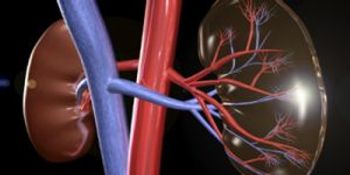
Patients with bipolar disorder who are treated with lithium have a higher risk for long-lasting kidney damage and thus require rigorous monitoring.
Based on patient response rates and efficacy, olanzapine/fluoxetine is the ideal first-line treatment for depression caused by bipolar disorder.