
































































































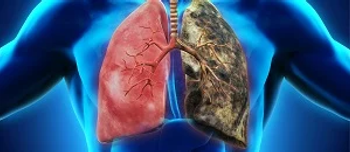
Individuals who had depression or stress in a hospital in Mexico were also 4.5 and 3.18 times more likely, respectively, to experience delays in treatment.
Individuals who had depression or stress in a hospital in Mexico were also 4.5 and 3.18 times more likely, respectively, to experience delays in treatment.
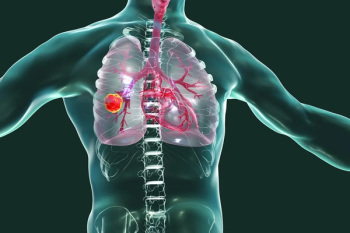
New artificial intelligence tool can identify tumors at a 97% rate, a year before other methods can diagnose it.
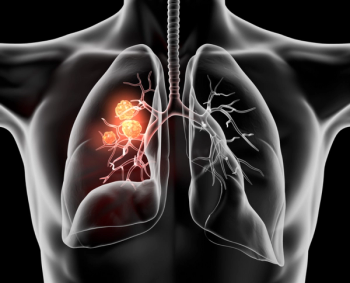
Results from POSEIDON, a randomized open label, phase 3 trial, showed that patients administered 5 cycles of tremelimumab plus durvalumab and chemotherapy over 16 weeks experienced a 23% reduction in the risk of death compared with various chemotherapy options.
Investigators used a new animal model to determine how the stem-like T cell can survive and what it looks like over the course of several months of tumor growth.

The kinase inhibitor is a promising treatment option for patients with MET exon 14 skipping mutation non–small cell lung cancer.
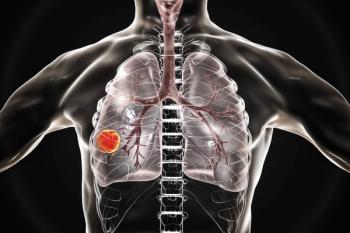
Researchers found that the levels of serum albumin and the number of metastatic sites that patients with lung cancer have were significantly associated with overall survival.

The agents that have been evaluated and approved, and those that are coming in the pipeline, make for an exciting time to consider directed therapies.
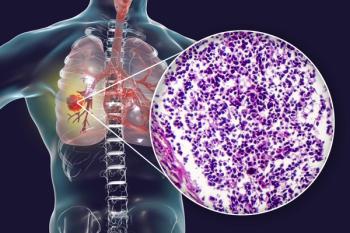
New treatments show promise for patients with KRAS G12C–mutated disease.

The safety of atezolizumab in the Impower010 trial was consistent with its known safety profile and no new safety signals were identified.
A number of prescription medications are indicated for the treatment of this aggressive disease.
The investigators found that the combination of cemiplimab-rwlc and chemotherapy resulted in a substantial improvement in OS compared to chemotherapy alone for patients with metastatic or locally advanced disease and tumors with either squamous or non-squamous histology and across all programmed death-ligand 1 expression levels.
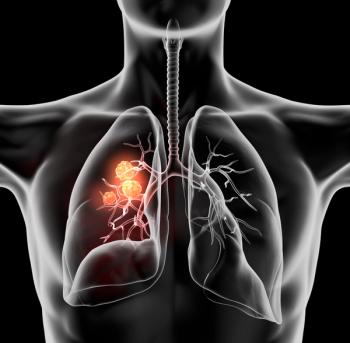
Plinabulin is a selective immunomodulating microtubule-binding agent (SIMBA), which is an antigen presenting cell (APC) inducer.
According to a press release from Roche, the FDA is reviewing the company’s Biologics License Application under the Real-Time Oncology Review pilot program, which aims to explore a more efficient review process to ensure safe and effective treatments are available to patients as early as possible.
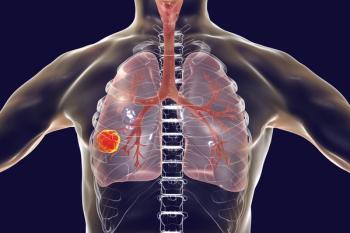
As treatments for lung cancer move forward and patient care services continue to expand, the role of the pharmacist in oncology is critical.

Investigators have found that a small percentage of epidermal growth factor receptor (EGFR) inhibitor-resistant cancer cells are present in certain patients with non-small cell lung cancers (NSCLCs), potentially explaining tumor regrowth in these patients.
The data show that the maximum tolerated dose of rigosertib in combination with nivolumab was not reached in the 3 cohorts of the trial’s dose-escalation phase in patients with advanced KRAS-positive metastatic lung adenocarcinoma.

In an interview with Pharmacy Times® and Directions in Oncology Pharmacy®, Abizer Gaslightwala, vice president and head of the U.S. Hematology and Oncology division at Jazz Pharmaceuticals discusses the company’s new digital resource, Nothing Small About It.

The current study analyzed human tumor samples from 6 cancer types: liver, melanoma, colorectal, non-small lung, head and neck, and breast cancer.

Trilaciclib (Cosela) is indicated to reduce the frequency of chemotherapy-induced bone marrow suppression in adults receiving certain types of chemotherapy for extensive-stage small cell lung cancer.
Earlier this year, the FDA granted accelerated approval to tepotinib (Tepmetko, EMD Serono Inc) for the treatment of adults with metastatic non-small cell lung cancer who are harboring MET exon 14 skipping alterations.

Phase 2 clinical trial results assessing sotorasib in previously treated patients with NSCLC showed that the drug presented a median OS of 12.5 months among 124 patients.

The researchers analyzed patients with lung cancer before they underwent surgery and calculated their excess body weight using visceral fat index measured by CT scans.
Data were presented at the virtual 2021 American Society of Clinical Oncology (ASCO) Annual Conference.

Investigative and newly approved drugs targeting RET activity and KRAS-related mutations are showing deep, durable responses in several types of cancers.
While discussing a few case studies, the panel was able to make appropriate treatment decisions for each patient and emphasized the importance of communicating with patients as a physician.