


Infectious Disease
Latest News
Advertisement
Latest Videos






Advertisement
More News
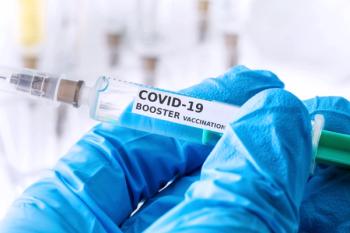
Australian trial shows bivalent mRNA COVID-19 booster lifts antibodies more than protein vaccine, yet both cut infection similarly over 12 months.
Pharmacists’ individual knowledge of patient circumstances can be their greatest tool.
Influenza vaccination preparation should be on the docket for any pharmacy, and it isn’t too early to start now.

New data show mRNA-1010 diversifies B-cell responses well beyond what conventional hemagglutination-inhibition testing can capture.

New PET imaging data show reduced dopamine nerve terminal density in patients with long COVID, correlating with fatigue, motor slowing, and memory problems.

Prepare your pharmacy for flu season with updated vaccine formulations, screening, staffing, ordering, cold-chain controls, billing workflows, and patient outreach to boost vaccination uptake.

An expert discusses a JAMA study that shows who depends on the MMRV combination vaccine and how policy shifts may widen gaps—plus how pharmacists keep children on schedule.

Case counts will likely continue to rise as reporting catches up with the incubation lag.
A study finds low-income and minority families are likely among those experiencing consequences from reduced measles, mumps, rubella, and varicella (MMRV) vaccine uptake amid the worst surge in US measles cases in decades.
A preclinical study demonstrates protective immunity against flu, COVID-19, and RSV without immune interference.

Advances in antibiotic and microbiome-based therapies may reduce recurrence and improve outcomes in patients with recurrent Clostridioides difficile infection.
The authors said these data support the safety of current coadministration practice.

Laura Gillespie, PharmD, discusses how her patient-first approach has guided her research collaboration efforts and led to measurable reductions in C difficile infection rates at her institution.

Because influenza outbreaks follow a humidity‑temperature curve, climate change may shift flu epidemics and reshape risk from tropics to temperate regions.

Messenger RNA vaccines were effective against any documented SARS-CoV-2 infection, against hospitalization, and against mortality within 14 to 42 days of vaccination.
COVID-19 boosters can also neutralize certain bat and pangolin coronaviruses, while immune "imprinting" from a person's first viral exposure limits how well that protection adapts to newer variants.
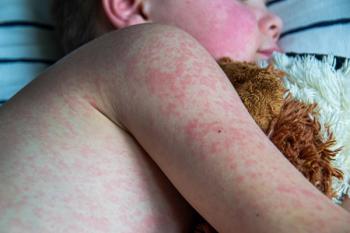
This FAQ outlines current measles cases, key drivers of increasing cases, and the essential role pharmacists play in vaccination, patient counseling, case recognition, and combating vaccine misinformation.
Pharmacists should be up-to-date on current outbreak status, US risk level, and how to recognize warning signs and counsel concerned patients as confirmed Ebola cases caused by Bundibugyo ebolavirus continue to rise across the Democratic Republic of the Congo (DRC) and Uganda.

With this approval, Capvaxive is the only PCV specifically indicated and studied in the US for use in this patient population.
The indication is for complicated urinary tract infections (UTIs) caused by several susceptible microorganisms in adults who have limited or no alternative oral treatment options.
This week's episode covers the first-ever joint guidelines for cardiovascular-kidney-metabolic syndrome, key highlights from ASCO 2026 and ADA 2026, and new FDA approvals in diabetes, infectious diseases, and pain management.

Temperature differences between exhaled air and ambient environments significantly affect how respiratory aerosols disperse.

The inaugural Joint MAD-ID/SIDP Annual Meeting was a celebration of learning and networking and focused on the educational needs of infectious diseases pharmacist specialists.
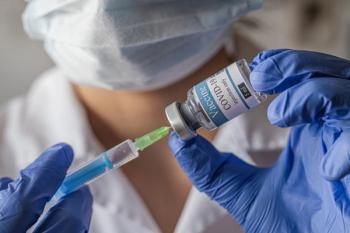
New household data show recent COVID-19 shots cut at-home spread by 43%, strengthening pharmacist counseling on staying up to date.
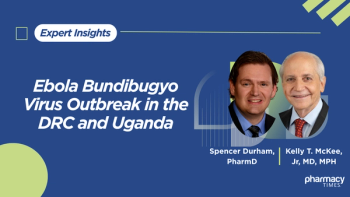
Bundibugyo Ebola spreads in DRC and Uganda as the WHO declares a public health emergency of international concern; learn the case counts, travel alerts, and pharmacist readiness steps.
Advertisement
Advertisement
Trending on Pharmacy Times
1
Flu Vaccination Linked to Fewer Severe Outcomes in Older Adults, Fewer ED Visits in Children
2
Combined Cardiometabolic Biomarker Burden Tracks CKM Progression
3
FDA Approves Awiqli, Once-Weekly Insulin, for Children Aged 10 Years and Older With T2D
4
Kidney Week 2026: What to Know for Nephrology's Biggest Meeting
5