



Vaccines
Latest News
Advertisement
Latest Videos








Advertisement
More News

RSV vaccination rates among older adults remain low despite new vaccines, highlighting disparities in uptake and the need for targeted outreach.

Pharmacists play a crucial role in improving vaccination rates among patients with cancer, addressing barriers, and enhancing patient education in oncology care.

In a phase 3 trial, V116 demonstrated significant immunogenicity in older adults who had not before received a pneumococcal vaccination.

Older adults in the United States continue to be burdened with disproportionate rates of community-acquired pneumonia hospitalizations, including due to serotypes covered in the recently approved V116 vaccine.

Recommending and administering vaccines is a critical part of medication therapy management.

Amid dropping vaccination rates, pharmacists are key to educating parents and assuaging concerns.
Secretary Robert F. Kennedy Jr announced the cancellation of 22 mRNA vaccine technology investments, alleging the vaccines lacked effectiveness against respiratory diseases.

Collaborating with local organizations strengthens trust and can influence vaccination uptake.

Continuing a trend observed since the end of the COVID-19 pandemic, vaccine coverage among kindergartners declined in the 2024-2025 school year, according to CDC data.

Pharmacies enhance public health by providing essential back-to-school vaccinations and addressing vaccine hesitancy, ensuring community protection this fall.

Both vaccine and nonvaccine serotypes were identified as being resistant to critical antimicrobial treatments for pneumococcal disease.

Many factors contribute to vaccine skepticism, including trust, convenience, and fear.

Conversely, Medicaid enrollees experienced widening gaps of pneumococcal vaccination uptake, likely driven by socioeconomic obstacles.
CDC's ACIP recommends removing thimerosal from flu vaccines, igniting debate on vaccine safety and fueling antivaccine sentiments amid public health concerns.

A Danish study confirms no link between aluminum in childhood vaccines and chronic diseases, reinforcing vaccine safety amid rising skepticism.
Adam James, PharmD, and Chris Altman, PharmD, explain how pharmacists can build trust and reduce vaccine hesitancy by clearly communicating thimerosal’s limited role in today’s immunizations and addressing patient concerns with empathy and education.

Influenza vaccination significantly reduces cases and enhances community immunity, highlighting pharmacists' vital role in promoting public health.

Education initiatives, facilitation, and immunization on the part of pharmacists were found to significantly increase uptake of pneumococcal vaccines among older adults.
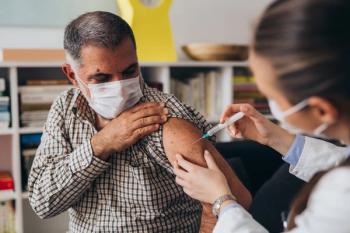
A large retrospective study funded by the CDC indicates broad additional protection against COVID-19, especially for older adults and immunocompromised patients.

The FDA approves a prefilled syringe for the zoster vaccine recombinant, enhancing shingles vaccination convenience and effectiveness for adults 50 years and older.

Receiving a COVID-19 vaccination vastly reduced the risk of long-term hospitalization, necessitating dialysis, and morbidity in patients hospitalized with acute kidney injury related to SARS-CoV-2 infection.
Adam James, PharmD, and Chris Altman, PharmD, discuss renewed public scrutiny of thimerosal, its limited use in vaccines today, and how new guidance may affect pharmacists and patient confidence moving forward.

Patients with chronic kidney disease (CKD) were more likely to get vaccinated for influenza and pneumococcal following a health care provider’s recommendation.

Patients with inflammatory rheumatic diseases may have a protective effect against serious COVID-19 outcomes once they receive a pneumococcal vaccination.

Annie Eisenbeis, PharmD, MBA, showcased how Missouri’s Pharmacy Vaccine Gap Closure Program is transforming pharmacy-based immunization services through scalable workflows, team training, and a redefined role for pharmacy technicians as community health workers.
Advertisement
Advertisement
Trending on Pharmacy Times
1
Combined Cardiometabolic Biomarker Burden Tracks CKM Progression
2
Flu Vaccination Linked to Fewer Severe Outcomes in Older Adults, Fewer ED Visits in Children
3
FDA Approves Bepirovirsen, First ASO for Chronic Hepatitis B
4
FDA Approves Awiqli, Once-Weekly Insulin, for Children Aged 10 Years and Older With T2D
5