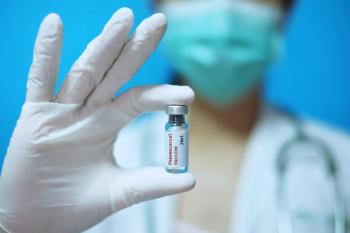
New clinical and real-world data have been announced for the 9-valent human papillomavirus (HPV) vaccine (Gardasil; Merck), highlighting more robust support for the vaccine's efficacy regarding HPV-related cancer and diseases. Data from the BROADEN and PROGRESS trials (NCT04199689) were presented at the International Papillomavirus Conference 2024 in Edinburgh, Scotland, from November 12 to 15.1
“These data support the value of adult vaccination and strengthen our understanding that disease-causal HPV infection can happen later in life, reinforcing the importance of HPV vaccination for both females and males beginning at age 9,” Eliav Barr, MD, senior vice president, head of global clinical development and chief medical officer at Merck Research Laboratories, said in a news release. “While historically the HPV vaccination conversation has focused on preventing certain HPV-related cervical cancers in women, we also continue to see the growing incidence of HPV-related oropharyngeal and other head and neck cancers, particularly in men.”1
Barr stated that there are approximately 666,000 new diagnoses of HPV-related cancers for men and women globally every year. According to the CDC, more than 42 million Americans are infected with a type of HPV, with 13 million Americans being infected every year. The types of HPV include non-oncogenic and oncogenic, which are wart-causing and cancer-causing, respectively. The CDC recommends 2 doses of an HPV vaccine at 11 or 12 years of age. Those who get their first dose on or after turning 15 will need 3 doses.1,2