

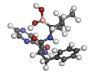



































































































Carfilzomib's ability to inhibit myeloma cell growth and ability to trigger a greater response in proteins associated with cell death than other therapies makes it a promising therapy for multiple myeloma patients.
Carfilzomib's ability to inhibit myeloma cell growth and ability to trigger a greater response in proteins associated with cell death than other therapies makes it a promising therapy for multiple myeloma patients.

In this OncLive video, Jatin J. Shah, MD, assistant professor in lymphoma/myeloma in the Division of Cancer Medicine at the University of Texas, MD Anderson Cancer Center, discusses novel therapeutics for the treatment of multiple myeloma.

Novartis announced a demonstrated improvement in progression-free survival in patients using LBH589 (panobinostat) with bortezomib and dexamethasone.

Drs. Jasielec and Jakubowiak review the state of the art in selecting an optimal induction therapy regimen for patients with multiple myeloma.

The FDA approved Imbruvica (ibrutinib) to treat patients with mantle cell lymphoma (MCL), a rare and aggressive type of blood cancer.

The FDA has asked the manufacturer of the leukemia chemotherapy drug Iclusig (ponatinib) to suspend marketing and sales of Iclusig because of the risk of life-threatening blood clots and severe narrowing of blood vessels.

Those concerned about different types of cancer should band together to support research into prevention, detection, and cure-and to counter the exorbitant expense of treatment.

Investigators in Spain have demonstrated that a regimen of lenalidomide and dexamethasone reduces the risk of disease progression and improves survival in patients with high-risk smoldering multiple myeloma.

Investigators in the Czech Republic have found an association between soft tissue lesions and diminished survival in patients with multiple myeloma.

After promising results from early studies, investigators have received approval to start testing daratumumab in patients with multiple myeloma.

Researchers highlighted the latest developments in the treatment of multiple myeloma at the 2013 ASCO Annual Meeting.

Patients with previously treated multiple myeloma responded well to therapy with the monoclonal antibody elotuzumab in combination with lenalidomide and low-dose dexamethasone, with a high objective response rate and longer progression-free survival (PFS) in those who received the dose being taken into phase III studies.

New therapies advance the treatment of this hematologic cancer.
New therapies advance the treatment of this hematologic cancer.
When giving antineoplastics to obese and morbidly obese patients, clinicians must be careful not to under- or overdose.

The FDA approved Pomalyst (pomalidomide) to treat patients with multiple myeloma whose disease progressed after being treated with other cancer drugs.
The FDA today approved a new use of Gleevec (imatinib) to treat children newly diagnosed with Philadelphia chromosome positive (Ph+) acute lymphoblastic leukemia (ALL).

The Arizona Chapter of The Leukemia & Lymphoma Society and Avella Specialty Pharmacy announce they will present a day of discussion about the latest advancements, trends, and management of oral chemotherapy medications on February 9, 2013.

This video describes the use of targeted therapies for the treatment of multiple myeloma.

A new study revealed that lower doses of Velcade (bortezomib), melphalan (Alkeran) and prednisone (VMP) was effective and safe in extending overall and progression-free survival in older patients.


Representatives from The Dana –Farber Cancer Institute, Mount Sinai, and GNS Healthcare recently announced they are teaming up to pool their data and technology assets in order to build a predictive model of multiple myeloma disease progression.

The combination of pomalidomide and a steroid significantly improved outcomes for patients with multiple myeloma who have exhausted other novel therapies, marking what researchers say is a notable advancement for a sizable proportion of those treated for the disease.

Pfizer Inc recently announced the FDA has approved Bosulif (bosutinib), an Abl and Src kinase inhibitor, for the treatment of adult patients with chronic, accelerated, or blast phase Philadelphia chromosome-positive (Ph+) chronic myelogenous leukemia (CML) with resistance, or intolerance to prior therapy.