



Veterans with post-traumatic stress disorder face greater odds of developing heart failure.

Veterans with post-traumatic stress disorder face greater odds of developing heart failure.
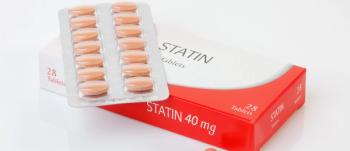
Patients with limited life expectancy may see improvement in their quality of life if they stop taking statins.

As the US Centers for Medicare and Medicaid Services places a greater emphasis on medication adherence through its star ratings, pharmacists and other health care professionals continue to seek ways to improve adherence among seniors.

The 2015 American College of Cardiology Annual Scientific Session and Expo featured the latest discoveries in cardiovascular research.

The FDA today approved a CPR device that the agency claims may improve a patient's chances of surviving cardiac arrest.

Improvements in nutrition, exercise, stress, and sleep may help patients with prediabetes reduce their risk of progressing to type 2 diabetes.

Screening men with erectile dysfunction (ED) for cardiac risk factors could save the health care system $28 billion over a 20-year period.

In light of misrepresented statistics and overstated fears about statin-related adverse events, here are 3 of the biggest myths your patients may have heard about these life-saving medications-and the facts

Labels of prescription testosterone products must now include information about possible cardiovascular and stroke risks associated with their use.

Almost all women and seniors with atrial fibrillation should be receiving blood thinners, advises a new analysis of updated clinical practice guidelines.

Casting doubt on previous conjectures, a new study suggests that statins do not protect patients against Parkinson's disease.

Even short-term treatment with nonsteroidal anti-inflammatory drugs is associated with significant increases in bleeding and cardiovascular event risk in patients receiving antithrombotic therapy after a heart attack.

Is it possible for Twitter to predict a community's level of heart disease?

Simple physical activity such as moving around the house can have a substantial effect on seniors' cardiovascular health.

The risk of heart attack is 8.5 times higher in the 2 hours following bursts of intense anger, suggests research from the University of Sydney.
While statins can effectively reduce cholesterol levels, a new study has found that the medications leave much to be desired in terms of substantially improving cardiovascular symptoms.

Teva Pharmaceutical Industries recently launched generic versions of Sanofi's enoxaparin sodium injection (Lovenox) and Pfizer's linezolid injection (Zyvox).

The clinical risk calculators incorporated into dyslipidemia treatment guidelines may overestimate a patient's risk of experiencing a cardiovascular event.
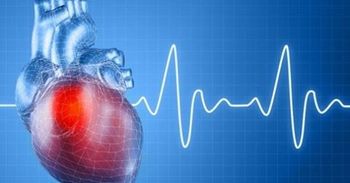
A paper from a pair of physicists may reveal significant new information about the causes of atrial fibrillation and help to make cardiac ablations a more effective treatment for the condition.

Gastroesophageal reflux disease and atrial fibrillation are 2 of the most significant health concerns in the United States, and researchers suspect a link between them.
Prescribing methods for a newer atrial fibrillation agent require more monitoring to improve patient safety in community hospitals.

Several studies have reported that controlling blood pressure with medication improves cardiovascular outcomes.

The FDA has granted 510(k) clearance to Silk Road Medical's Enroute Transcarotid Neuroprotection System (TNS), a first-in-class device to restore normal blood flow to narrowed carotid arteries during carotid angioplasty and stenting.
Daiichi Sankyo today announced the US launch of edoxaban, a once-daily anti-clotting agent indicated for reducing the risk of stroke and systemic embolism in patients with nonvalvular atrial fibrillation.

New research published in the British Medical Journal has answered some of the most basic questions about treating hypertension.