

































































































Study participants aged 40 to 64 who had received a flu shot had a risk of heart attack reduced by 45%.
Study participants aged 40 to 64 who had received a flu shot had a risk of heart attack reduced by 45%.

A review of 53 studies finds that hypertension patients with health insurance were more likely to be adherent to antihypertensive medication and to have their hypertension under control than were those without insurance.

Patients who continued taking simvastatin and atorvastatin had significantly reduced risk of developing Parkinson's disease compared with those who discontinued statin therapy.

Progression of dementia was slower in patients taking ACE inhibitors, particularly those who had recently started taking them, compared with those not taking them.

Hypertensive patients who participated in a 1-year pharmacist telemonitoring program were more likely to have their blood pressure under control than those who received usual care.

Middle-aged men who took statins for 5 years had a substantially lower hospitalization rate and reduced health care costs over a 15-year period.

Patients with poor adherence to antihypertensive medication were much more likely to die from a stroke than were patients with high adherence, according to the results of a new study.

The new oral anticoagulants that have become available in recent years have added significant complexity to the prevention of stroke in patients with atrial fibrillation.

The overall stroke rate for women who had migraine with aura was 4.3 per 1000 women per year, according to the results of a 15-year-long study.

A literature review finds that triple therapy including newer anticoagulants, aspirin, and clopidogrel may increase the risk of bleeding and should be limited to patients at highest risk for thromboembolic events.
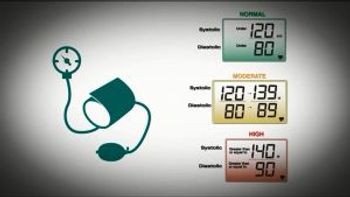
A discussion of high blood pressure and measures that can be taken to counter it, including prescription medication.
Patients may have questions about taking antioxidants.
Patients may have questions about taking antioxidants.
New treatments for stroke prevention in atrial fibrillation require patient-specific assessment.

This video, from the Cleveland Clinic, discusses a syndrome in which generally healthy people who drink more than usual at the holidays can experience heart problems.

A discussion of an FDA warning regarding the potential for cognitive problems and elevated blood sugar associated with taking statins.

Researchers did not find a single instance of true aspirin resistance in a study including 400 participants, and suggest that slow absorption of enteric-coated aspirin may lead to the appearance of resistance.
Helping patients understand their regimen can boost adherence.
Helping patients understand their regimen can boost adherence.
Patients who received a description of their cardiovascular risk factors were more likely to start taking statins and to significantly reduce their LDL cholesterol levels.
A Minnesota county's ban on smoking in all workplaces including restaurants and bars was associated with a dramatic drop in heart attack rates.
Gains in blood pressure control are primarily due to increased use of multiple antihypertensive agents, but hypertension still takes a great toll in terms of health quality and health care costs.

A blood pressure control program involving remote monitoring and phone consultation by pharmacist case managers produced promising results.