



A new study indicates that high doses of fish oil supplementation fails to prevent the recurrence of atrial fibrillation.
A new study indicates that high doses of fish oil supplementation fails to prevent the recurrence of atrial fibrillation.
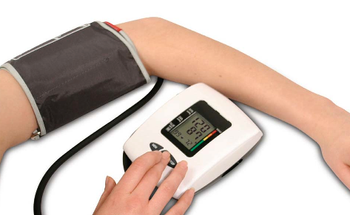
Patients with moderate-to-severe psoriasis are more likely to have uncontrolled hypertension.

When association is association and causation is causation.

Updated guidelines for postoperative atrial fibrillation contain several pieces of information for pharmacists to help prevent medication errors.
The FDA today approved the first drug-coated balloon for reopening arteries in the thigh and knee that are narrowed or blocked due to peripheral artery disease.
Even a modest weight loss can improve overall health.
Even a modest weight loss can improve overall health.

For the first time, one antiplatelet agent has been recommended over another for non"ST-segment elevation acute coronary syndrome.

Evolocumab cut low-density lipoprotein cholesterol levels by 60%, on average, in patients with heterozygous familial hypercholesterolemia

Live medication therapy management (MTM) reduces low-density-lipoprotein cholesterol significantly more than standard, chart-review MTM.
The results of an FDA safety review of omalizumab (Xolair) suggest the asthma drug slightly elevates the risk of serious cardiovascular and cerebrovascular adverse events.
In a Phase 3 study, odanacatib significantly reduced the risk of osteoporotic fractures, but it also might have contributed to major cardiovascular events.
Approximately 6.5 million Americans are prescribed digoxin, a cardiac glycoside with a long, fascinating history.

Wine consumption is cardioprotective, but only in patients who exercise, according to a new study.

Providing prescriptions when patients are discharged from the hospital after a stroke improves medication adherence, the results of a study suggest.

Aspirin may reduce the risk of blood clots in patients who cannot use traditional anticoagulants, new research suggests.
Several new anticoagulants have entered the US market in recent years, but research to find reversal agents for these drugs is ongoing.
Digoxin increases risk of death in patients with newly diagnosed atrial fibrillation.
Researchers evaluated more than 2 decades of evidence on atrial fibrillation patients taking vitamin K antagonists.
Researchers evaluated the risk of cardiovascular outcomes in atrial fibrillation patients with a history of falls.

A recent investigation found a significant increase in hospitalization rates for patients with atrial fibrillation in the United States.

When nonwhite heart attack patients were able to obtain cardiovascular medications without a copayment, their readmission rates for a major vascular event or coronary revascularization dropped significantly.

Current and recent users of nonsteroidal anti-inflammatory drugs were significantly more likely to develop atrial fibrillation, according to the results of a new study.