



Cardiovascular Health
Latest News
Advertisement
Latest Videos
Podcasts
Advertisement
More News

A large analysis found that measurable declines in processing speed, global cognition, and executive function began up to 8 years before a cardiovascular event.

The FDA approved baxdrostat based on meaningfully positive results from the phase 3 BaxHTN trial.
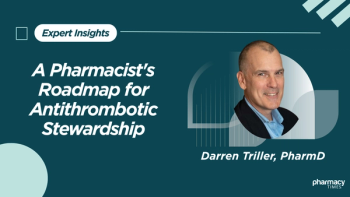
Darren Triller, PharmD, walks through the relative ease and impact of each of the 5 ADAPT priority areas, makes the case for dashboard-driven population health management.

Clinical pharmacists Andrew Willeford and Laura Velazquez explore the paradigm shift in oHCM management, highlighting best practices for pharmacist-led clinical workflows in health-system practice.
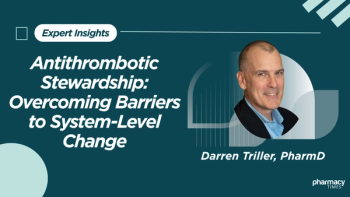
Securing executive buy-in, building multidisciplinary coalitions, and targeting inappropriate antiplatelet use are among the most critical steps in implementing antithrombotic stewardship programs.
Rhonda Monroe discusses her harrowing journey as a 3-time heart attack and stroke survivor, highlighting the critical importance of patient self-advocacy.

Inflammation fuels residual ASCVD risk; survey reveals hs-CRP testing gaps, persistent angina, and new therapies for cardiovascular health.
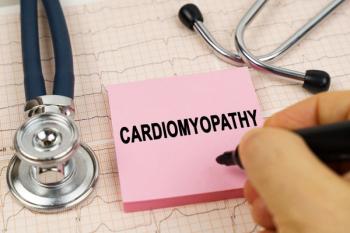
The ACACIA-HCM trial marks the first time a therapy has shown statistically significant improvements in exercise capacity and symptom burden in patients with non-obstructive hypertrophic cardiomyopathy.
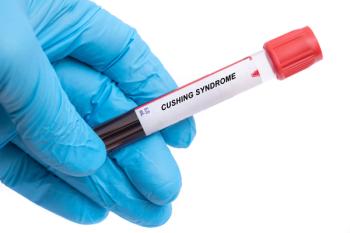
Pharmacists are vital in identifying at-risk patients, supporting diagnostic testing, optimizing therapy, and monitoring medication adjustments.
Joseph Saseen, PharmD; and Joel C. Marrs, PharmD, discuss key updates in the 2026 dyslipidemia guidelines and their implications for clinical and pharmacy practice.
2026 dyslipidemia guideline updates highlight earlier risk-based lipid management, expanded biomarker use, and a growing pharmacist role in cardiovascular prevention.
Craig Beavers and Kyle Fischer debrief on key late-breaking cardiovascular trials from the 2026 American College of Cardiology Scientific Sessions.

Ferric carboxymaltose is effective and guideline-endorsed, yet underutilized due to high cost and system-level barriers.

A new study supports the use of PREVENT equations in routine clinical practice, reinforcing their role in cardiovascular risk assessment and pharmacist-led prevention strategies.


This decision builds upon the drug’s initial approval for adult patients and introduces a new therapeutic option for clinicians treating pediatric populations with rapid heart rate disturbances.

Team-based hypertension care puts pharmacists and home blood pressure monitoring at the front line, boosting control rates and saving lives and costs.
Pharmacists' role in lipid management takes center stage with the 2026 dyslipidemia guideline update.

New data show that pharmacist-led interventions in independent community pharmacies can move the needle on A1C, blood pressure, and stroke risk, even in rural and underserved settings.
Craig Beavers discusses how mavacamten's established long-term safety data strengthen shared decision-making conversations, and outlines best practices for multidisciplinary collaboration when implementing cardiac myosin inhibitor therapy in patients with obstructive hypertrophic cardiomyopathy (oHCM).

Case reports show that alternative agents, including phenytoin, have been successful in resolving digoxin-induced arrhythmias.
Emerging therapies, AI, and patient-centered approaches are reshaping cardiovascular pharmacy.
Craig Beavers explains how mavacamten's REMS program and its clearly defined echo-based monitoring protocols create a unique opportunity for pharmacists to take an active role in managing patients with obstructive hypertrophic cardiomyopathy (oHCM).
Artificial intelligence is emerging as a vital tool for pharmacists in cardiovascular care—supporting clinical decisions, patient education, and adherence while maintaining guideline alignment.
Craig Beavers, PharmD, FACC, FAHA, FCCP, BCCP, BCPS-AQ Cardiology, CACP, breaks down the key distinctions between obstructive and nonobstructive hypertrophic cardiomyopathy (oHCM) and explains how cardiac myosin inhibitors target the underlying disease mechanism.
Advertisement
Advertisement
Trending on Pharmacy Times
1
Operationalizing Therapy and Managing Hypophosphatemia Risk at UPMC
2
Fall 2026 Quiz: Test Your Pharmacy Knowledge!
3
Could Divarasib Challenge Existing KRAS G12C Inhibitors in Lung Cancer?
4
Pharmacists Positioned as Key Educators as Monoclonal Antibodies Emerge as COVID-19 Immunization Option
5