


Cardiovascular Health
Latest News

Advertisement
Latest Videos




Advertisement
More News

Individuals without a previous heart attack or stroke demonstrated significant cardiovascular risk reduction when treated with evolocumab.
Craig Beavers discusses recent developments in hypertension management and the clinical implications of the Bax Hypertension and KARDIA-3 trials with Shelby Tungate from the UNC Eshelman School of Pharmacy.

William Van Decker, MD, discusses the key priorities of the upcoming ACC Legislative Conference, including telehealth, cardiovascular rehab, prior authorization reform, and the role of pharmacists in shaping patient-centered cardiovascular policy.

New results from the phase 3 HYPERION trial demonstrate reduced risks as early as the year following diagnosis of pulmonary arterial hypertension.

The RNA interference therapy indicated that, along with its therapeutic benefits in cardiomyopathy transthyretin-mediated amyloidosis (ATTR-CM), there was a reduced risk of GI events.

Individuals with heart failure who are Black, Hispanic, or Asian face a much earlier onset of heart failure hospitalization compared with White patients.
Host Craig Beavers discusses the validity of meta-analyses and highlights analyses from European Society of Cardiology (ESC) 2025 with Bill Baker, PharmD, FCCP, FACC, FAHA.

Fluctuations in glycemic delta, a specific measurement of glucose levels, is an indicator of worsened myocardial infarction outcomes, including greater reductions in left ventricular ejection fraction.

Digitoxin reduces primary composite vs placebo in HFrEF, with no statistically significant effect on individual components of all-cause mortality or first heart failure-related hospitalization.

Bumetanide nasal spray provides patients with edema an alternative to burdensome oral or intravenous diuretic options.

Pharmacists enhance patient safety by addressing common medication errors, ensuring proper drug use, and improving therapeutic outcomes in clinical practice.

Investigators emphasize that early cardiovascular risk assessments and preventive strategies are necessary for women with polycystic ovarian syndrome (PCOS).
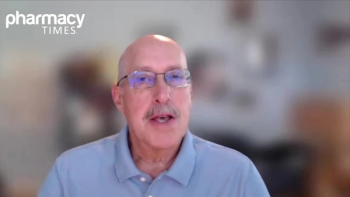
Michael Fifer, MD, discusses the Maple HCM study, which compared the cardiac myosin inhibitor Aficamten and the beta blocker Metoprolol in patients with obstructive hypertrophic cardiomyopathy (HCM).
Host Craig Beavers sits down with Lorenz van der Linden, a Belgian pharmacist, to dive deep into 2 groundbreaking trials from the European Society of Cardiology (ESC) 2025 Congress.

The trial results, which showed baxdrostat significantly reduced mean seated systolic blood pressure in uncontrolled hypertension, were presented at the 2025 European Society of Cardiology Congress.
Following the European Society of Cardiology Congress 2025, experts gathered to discuss key Hot Line trial data.
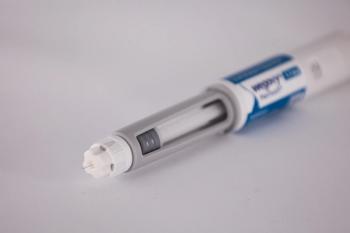
GLP-1 medications like semaglutide and tirzepatide significantly lower heart failure hospitalization risks, expanding treatment options for obesity-related conditions.

Reduced-dose apixaban maintains efficacy with less bleeding for extended CAT prophylaxis, reinforcing NCCN’s preexisting guidance in intermediate to high-risk cancer patients.
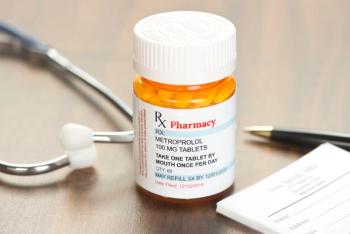
New research reveals that women on beta-blockers post-heart attack face a 45% higher risk of serious health issues compared with men.


Young adults who had experienced an acute myocardial infarction and lived in marginalized communities had increased risks of adverse events and reduced visits to their physician or cardiologist.

Increasing dietary potassium, such as from bananas, may lower blood pressure more effectively than reducing sodium alone.

Evolocumab is now indicated for adults at increased risk for major adverse cardiovascular events (MACE).
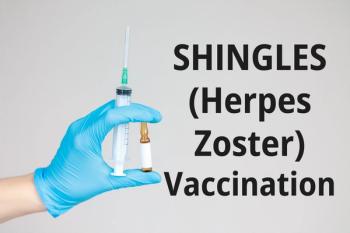
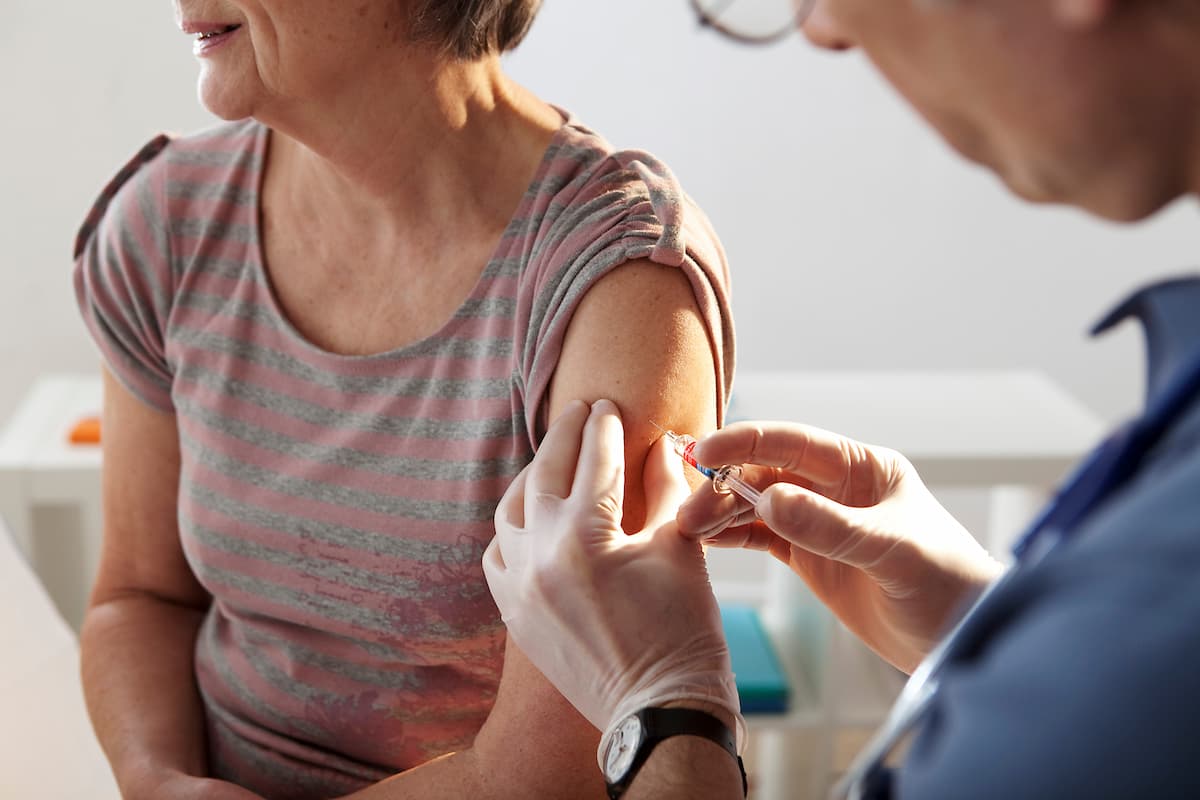
The recombinant shingles vaccine not only reduces herpes zoster and herpes zoster ophthalmicus but is also associated with lower risks of hospitalization for stroke and myocardial infarction in adults aged 50 and older.
Advertisement
Advertisement
Trending on Pharmacy Times
1
Preparing Pharmacists for Psychedelic Medicine
2
Pneumonic Plague: What Pharmacists Need to Know About Treatment
3
FDA Approves Pritelivir for Refractory HSV Lesions in Immunocompromised Adults
4
Beyond Skin Clearance: What Litifilimab Could Mean for Cutaneous Lupus Care
5