




The national guidelines recommend a heart-healthy diet to help manage weight and control blood pressure, while also emphasizing dietary patterns rather than individual foods and nutrients.
The national guidelines recommend a heart-healthy diet to help manage weight and control blood pressure, while also emphasizing dietary patterns rather than individual foods and nutrients.

During atrial fibrillation, both of the heart's upper chambers beat chaotically and irregularly without coordination.

Study shows that shedding pounds potentially decreases the risk of diabetes, dyslipidemia, and high blood pressure.
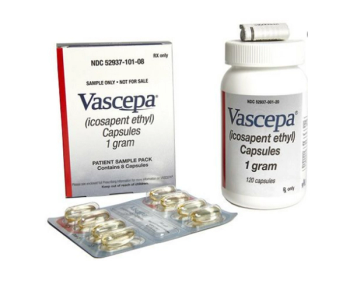
Vascepa is indicated to reduce the risk of myocardial infarction, stroke, coronary revascularization, and unstable angina requiring hospitalization in adult patients.

Study results presented at an American Heart Association conference show that 34% of individuals have high blood pressure.

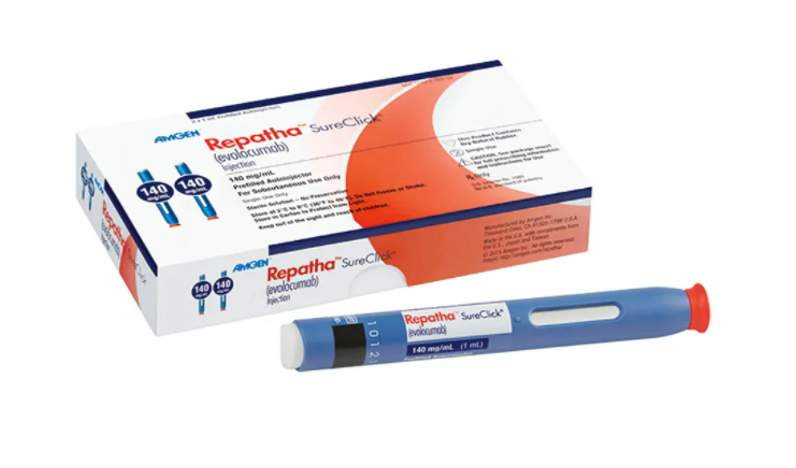
Monthly treatment with evolocumab reduced LDL-C by a mean of 38% from baseline compared to placebo among patients ages 10 to 17 with heterozygous familial hypercholesterolemia.
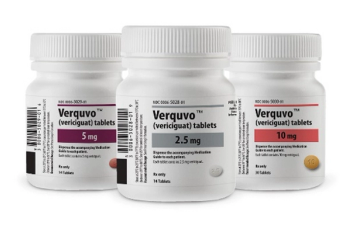
Verquvo is a soluble guanylate cyclase stimulator indicated to reduce the risk of cardiovascular death and heart failure.

Surgical procedures and weight-loss drugs combat high hypertension in individuals who are obese or overweight, according to the American Heart Association.

The investigators noted that heart attacks are often caused by the rupturing of vulnerable plaques, defined as plaques with a large lipid core with a thin fibrous cap that serves as a wall or barrier around the plaque to keep it intact.
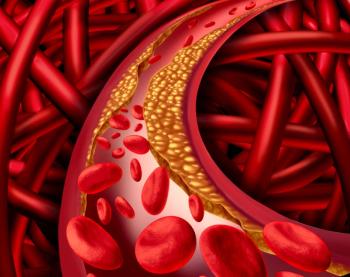
Pharmacists should stay knowledgeable about recommendations and evidence related to therapies.

Although the cardiovascular condition was thought to be benign, the disease could put pregnant women at greater risk for serious complications during childbirth.
Bleeding in the upper GI tract is among the most common bleeding complications following acute myocardial infarction, causing considerable suffering and increasing the risk of death.

Treatment-emergent serious adverse events were reported more frequently in patients with PVD, which was likely due to their more advanced disease, according to the researchers.
Published results indicate that marriage, urban living put people less at risk for cardiovascular problems.
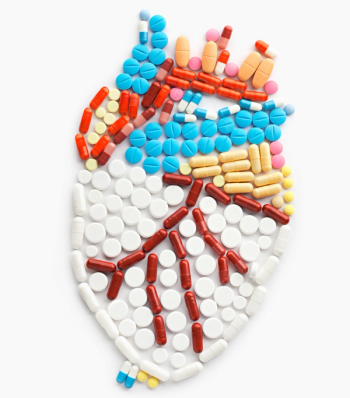
Because patients may interact with a pharmacist more regularly than other health care providers, it is possible to detect potential signs and symptoms of atrial fibrillation in a patient during their encounters.

The AHA worked with a team of leading health authorities to develop the advisory, which highlights recommendations, algorithms, and guidance for health care professionals and researchers who specialize in heart and brain health.

OSA is associated with cardiovascular disease in adults, but less is known about how the condition affects the immediate and long-term heart health of children and adolescents.

18th century author William Withering popularized the medical use of digitalis, the source for cardiac medication Digoxin.

Additionally, among this population, combining aerobic exercise with a moderate reduction in daily calories resulted in greater improvements in aortic stiffness versus exercise only or exercise plus a more restrictive diet.
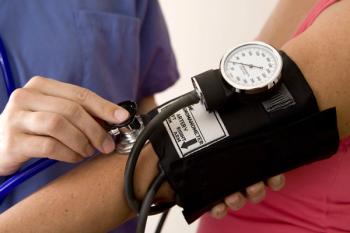
How would you answer these patients' questions?

CMS reported that 3.3 million more Medicare Part D beneficiaries with complex health needs than expected between 2013-2018 received a comprehensive medication review as a part of medication therapy management
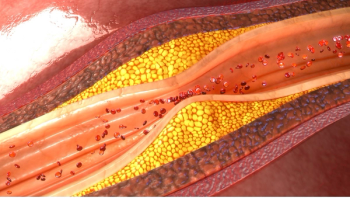
Ten quiz questions to assess your knowledge on common dyslipidemia treatments.
The goal of treating heart failure is to reduce symptoms, improve heart function, and increase ejection fraction.

ACE inhibitors are currently prescribed more commonly than ARBs as a first-time blood pressure control medicine despite this difference in AEs, the study authors noted.
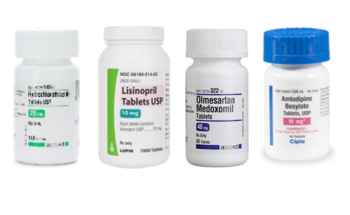
Reducing blood pressure is the major determinant of reduction in cardiovascular risk in both young and older patients with hypertension.