




Help female patients stay informed about prevention strategies, symptoms, and treatment of this potentially deadly condition.
Help female patients stay informed about prevention strategies, symptoms, and treatment of this potentially deadly condition.

Studies suggest bipolar disorder is associated with increased potential for stroke and higher odds of experiencing poor outcomes.

By encouraging patients to find activities they enjoy and celebrating small improvements, health care professionals can help patients improve mild to moderate hypertension and elevated cholesterol.
Evinacumab-dgnb is the first FDA-approved treatment that binds to and blocks the function of angiopoietin-like 3, a protein that plays a key role in lipid metabolism.

The new data show that patients were able to benefit from finerenone treatment regardless of AFib history, which indicates that finerenone can reduce the rate of new-onset AFib.
Myriad issues are responsible, including lack of access and insurance and preexisting disadvantages in underserved populations.

Although there is no single playbook that works for all types of practices, some combinations of practice characteristics and operational changes can help practices address cardiovascular disease.

The FDA has approved Verquvo (vericiguat; Merck) tablets for adults with chronic heart failure.
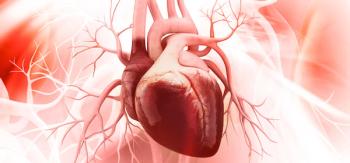
Heart failure can involve multiple factors, but heart muscle scarring is thought to be an important contributing factor in up to two-thirds of patients with HFpEF.
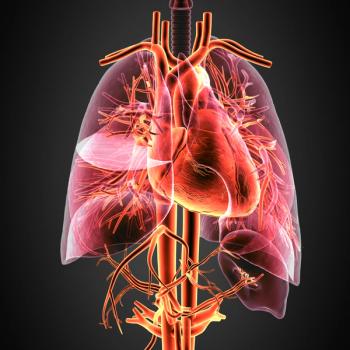
Data from the phase 3 VOYAGER PAD study demonstrated that rivaroxaban at 2.5 mg twice daily in combination with aspirin at 100 mg once daily was able to reduce severe vascular events in patients with PAD.

Vericiguat (Verquvo, Merck) is indicated to reduce the risk of cardiovascular death, heart failure hospitalizations, or the need for outpatient intravenous diuretics.
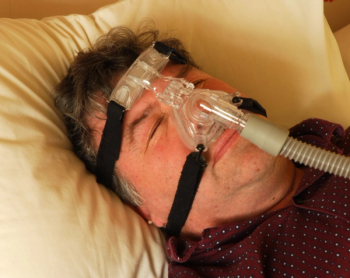
Individuals affected by sleep disorders accumulated approximately $7000 more in overall health care expenses per year compared to those without a sleep disorder.

Managing weight, blood pressure and cholesterol in children may help protect brain function later in life.

The researchers analyzed health outcomes in 283 heart attack survivors between 18 and 61 years of age, with an average age of 51 years.

According to the authors, increased arterial stiffness was found in young adults, which may impact heart health.

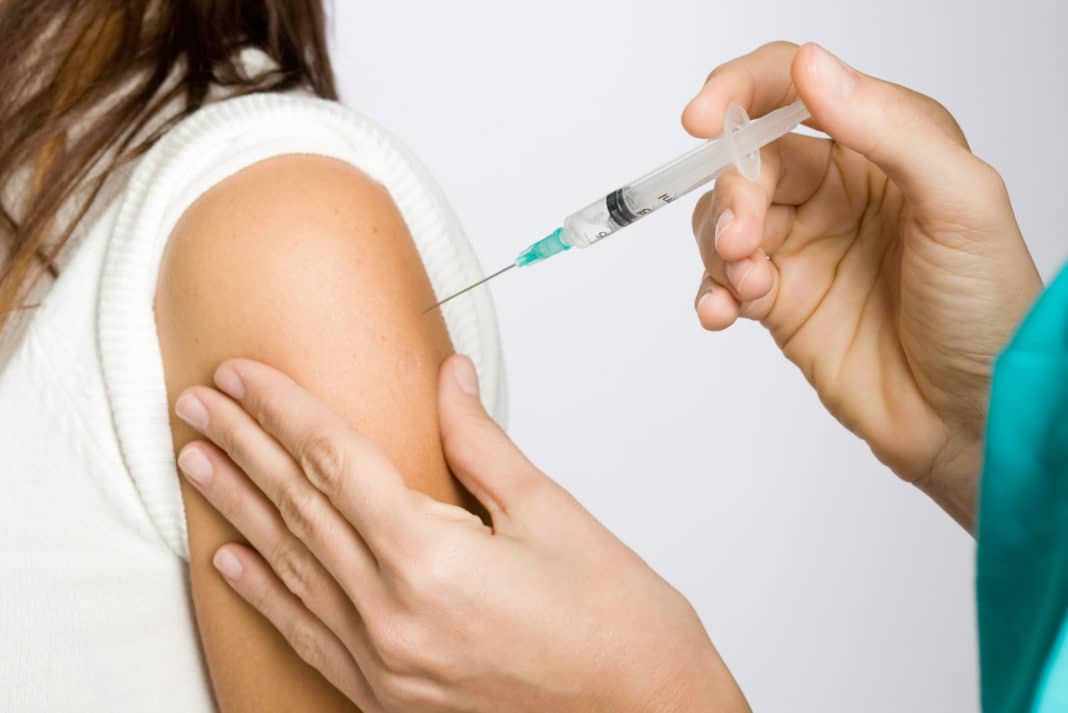
The researchers said that the findings should renew efforts to assure flu vaccination is a routine part of quality cardiovascular care.

For this Mother’s Day, Caroline Carney, MD, MSc, FAPM, CPHQ, explains the importance of understanding the correlation between mental health and heart health in women aged 65 years and older.

The drug is indicated to reduce the risk of cardiovascular death, HF hospitalizations, or the need for outpatient intravenous diuretics.

The study investigated whether people who regularly ate higher quantities of nitrate-rich vegetables, such as leafy greens and beetroot, had lower blood pressure.

Caroline Carney, MD, MSc, FAPM, CPHQ, chief medical officer of Magellan Health, a board-certified internist, and a board-certified psychiatrist, discusses the impact of trauma and stress on overall health during the COVID-19 pandemic.

Use of tranexamic acid is not associated with complications such as deep vein blood clots, heart attacks, seizures, or strokes or mini strokes when used in high-risk patients, according to a study published in Anesthesiology.

Caroline Carney, MD, MSc, FAPM, CPHQ, chief medical officer of Magellan Health, a board-certified internist, and a board-certified psychiatrist, discusses the correlation between heart health and mental health.

A heart rhythm disorder, atrial fibrillation occurs at least twice as frequently in patients with diabetes as those without.
Medication should be considered for patients with slightly elevated blood pressure who do not respond to 6 months of healthy lifestyle changes, according to a new statement from the American Heart Association (AHA) published in Hypertension.

Women who had migraines before menopause had a 29% increased risk of developing high blood pressure after menopause.