





Study results also show that the probability of dying from any cause is also 40% higher for individuals who have cardiovascular disease.
Study results also show that the probability of dying from any cause is also 40% higher for individuals who have cardiovascular disease.

The long-term implications of post-COVID-19 myocardial injury detected by cardiac MRI are still unknown.

Investigators focus on the relationship with neuron activity and find that sodium consumption plays a role.

Survey results may imply that individuals who stop could have more health problems or die from a subsequent heart issue.
Lomecel-B (Longeveron) is an investigational allogeneic, bone marrow-derived medicinal signaling cell medication that is being evaluated in a phase 2 trial.
No differences found in all-cause mortality or stroke between patients with aortic stenosis at intermediate surgical risk who had transcatheter aortic valve replacement or surgery.

The cells, named nexus glia, resemble critical glial cells called astrocytes in the brain, and when these cells were removed, heart rate increased.

The investigators conducted a comprehensive review of epidemiological studies, finding a consistent association between extreme heat and a greater risk of adverse cardiovascular outcomes.

Individuals with diabetes and atrial fibrillation were less likely to notice symptoms of irregular heartbeat.
Bacteria, fungi, and other germs that cause endocarditis may enter the bloodstream through improper dental care, catheters, and IV drug use.
Practicing mindfulness was associated with fewer psychological symptoms, such as posttraumatic stress, depression, and anxiety.

If approved, empagliflozin would be the first therapy proven to significantly improve outcomes for individuals with heart failure, according to Boehringer Ingelheim.
The results were presented at the American Society of Nephrology Kidney Week 2021.
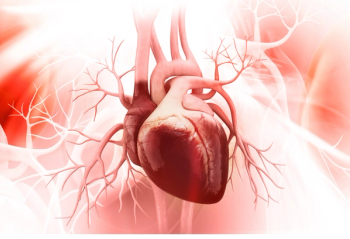
Heart defects associated with Eisenmenger syndrome cause blood to circulate abnormally in the heart and lungs.
New guidelines suggest older individuals should not start taking the drug for heart disease or stroke prevention.

The study results also show that strokes were far more common among traditional smokers.

But expanding coverage in 2014 was associated with a notable increase in enrollment among individuals with heart failure, study results show.
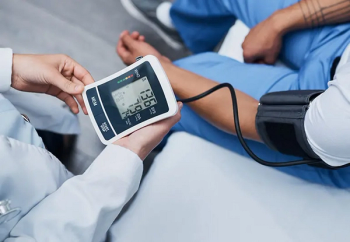
Penn State investigators have found that foods with 6.5 grams, or about 1.3 teaspoons, were linked to reducing hypertension after 4 weeks.
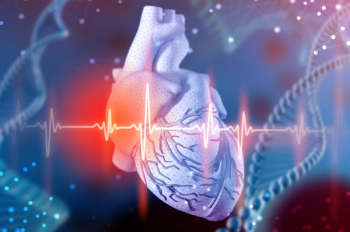
Rivaroxaban (Xarelto; Janssen) found superior to aspirin in reducing the risk of recurrent stroke or systemic embolism in patients with left ventricular dysfunction.

The AHA emphasizes the importance of looking at a total dietary pattern, including amounts, balance, combinations, and variety of beverages and food consumer regularly.
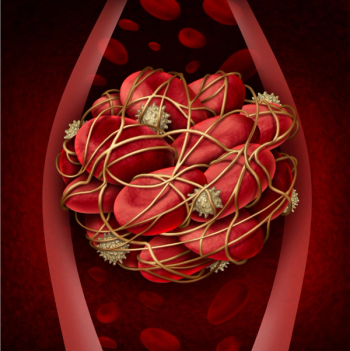
Deep vein thrombosis can occur with certain medical conditions that affect how the blood clots.
Taking all 3 doses also helped patients experience higher A1C levels than patients who took titrated insulin glargine, clinical trial results show.
If the research is confirmed, it could be a warning sign for women to make diet and lifestyle changes aimed at preventing cardiovascular disease.
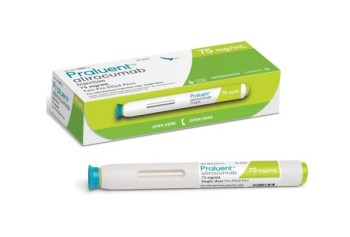
Alirocumab (Praluent) is a PCSK9 inhibitor for the treatment of heterozygous familial hypercholesterolemia or clinical atherosclerotic cardiovascular disease.