

India has confirmed 2 Nipah infections in West Bengal as surveillance tracks 196 contacts with no spread, with the World Health Organization outlining symptoms, transmission, and response measures.
India has confirmed 2 Nipah infections in West Bengal as surveillance tracks 196 contacts with no spread, with the World Health Organization outlining symptoms, transmission, and response measures.

During American Heart Month, Sarah Nelson, PharmD, highlights how pharmacists can leverage frequent patient interactions, risk assessment tools, and medication optimization strategies to reduce cardiovascular risk.

Legislation targeting the practices of pharmacy benefit managers (PBMs) was passed by Congress and signed by the president, with the goal of greater transparency and increased pharmacy access.

Pharmacists enhance multiple sclerosis care through collaborative practice agreements, improving patient outcomes and bridging gaps in treatment and education.

MFN drug pricing ties Medicare payments to the lowest prices abroad, promising lower costs but sparking legal, access, and innovation concerns.

Joseph Saseen, PharmD, explains how persistent cholesterol myths undermine care and why emerging oral proprotein convertase subtilisin/kexin type 9 (PCSK9) inhibitors could expand access to intensive LDL-C lowering.

COVID-19 significantly impacts diagnosis rates for depression, asthma, and osteoporosis, revealing health care inequities and the need for improved monitoring.
Craig Beavers is joined by the investigators of the POLY-HF trial to reinforce the critical role of pharmacist counseling and education in treating patients with heart failure.

A pharmacist-physician model significantly reduces wait times for atrial fibrillation care, enhancing patient access and treatment effectiveness in underserved areas.

Replacing animal products—particularly processed meats—with plant-based foods, including some processed options, can lower cardiometabolic risk and offer pharmacists practical counseling opportunities alongside medication therapy.
Pharmacists learn how protective purchasing impacts drug shortages and discover strategies to enhance supply chain visibility and patient access to essential medications.
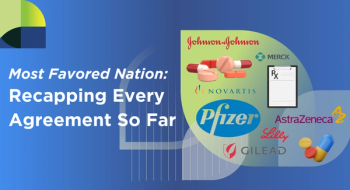
Explore all 16 agreements struck thus far between pharmaceutical companies and the White House to adhere to most favored nation pricing for drugs sold in the United States.

Pharmacists guide consumers in selecting quality dietary supplements, emphasizing the importance of USP verification for safety and efficacy.


Treatment with semaglutide offers benefits beyond solely cardiovascular risk reduction, lowering the risk of hospitalization across a range of comorbidities.

Pharmacists play a critical role in improving access to and affordability of GLP-1 therapies.
The FDA cited human factors unrelated to the drug's efficacy as the reason for rejection.
Exclusive insights from Ned Milenkovich, PharmD, JD, help parse what pharmacists should be aware of as most favored nation initiatives are agreed upon with the federal government.

Pharmacists play a vital role in managing multiple sclerosis treatments, enhancing patient care through clinical trials and personalized therapy options.

The authors suggested that future research investigate emerging blood-based biomarkers and explore temporal associations between sleep duration and Alzheimer disease biomarker changes.

Research reveals that patients with asthma who experience symptoms of depression show elevated BDNF levels, suggesting unique biological links between asthma severity and depressive symptoms.


RegeneCyte's HPC therapy shows promise in treating long COVID symptoms, with 85% of patients reporting fatigue relief.

The FDA prioritizes centanafadine's review for ADHD treatment, offering a novel, once-daily oral option for diverse patient needs.

The FDA approved the first dual-agent eye drops for presbyopia, offering a groundbreaking solution for age-related near vision loss.

Processed plant-based foods, such as breads and cereals, can reduce the risk of diabetes and heart failure when they replace ultraprocessed meats or sugary beverages.

Discover groundbreaking FDA-approved treatments, including at-home depression therapy, new biosimilars, and culturally relevant pain relief options.
CMS announces the selection of 15 high-cost drugs for Medicare price negotiations, aiming to reduce prescription costs for older adults and taxpayers.


Pharmacists play a vital role in identifying and managing primary immunodeficiency diseases, enhancing patient outcomes through immunoglobulin therapy and education.