Phase 2 randomized controlled trial results published in Nature Medicine demonstrated that combining bimagrumab, an investigational activin pathway inhibitor, with semaglutide (Ozempic, Wegovy; Novo Nordisk) resulted in superior weight loss and enhanced fat mass reduction compared with either drug alone while largely preserving lean mass. The findings address growing concerns about muscle loss associated with glucagon-like peptide-1 (GLP-1) receptor agonist therapy for patients with obesity.
BELIEVE Trial Design and Results
The BELIEVE trial (NCT05616013) enrolled 507 adults with obesity (body mass index ≥ 30 or ≥ 27 with at least 1 obesity-related complication) who were randomly assigned to 9 treatment groups, including placebo, bimagrumab monotherapy (10.0 or 30.0 mg/kg intravenously every 12 weeks), semaglutide monotherapy (1.0 or 2.4 g subcutaneously once weekly), and various combinations. The primary end point was absolute change from baseline in body weight at week 48.1
At week 72, the high-dose combination (bimagrumab 30.0 mg/kg plus semaglutide 2.4 mg) achieved 24.2-kg weight loss (22.1% reduction) compared with 16.5 kg (15.7%) for semaglutide 2.4 mg alone and 12.0 kg (10.8%) for bimagrumab 30 mg/kg alone. Importantly, 92% of weight loss in the high-dose combination group was from fat mass, compared with 76% for semaglutide alone.1
About the Trial
Trial Name: Safety and Efficacy of Bimagrumab and Semaglutide in Adults Who Are Overweight or Obese
Study Type: Interventional
ClinicalTrials.gov ID: NCT05616013
Trial Sponsor: Eli Lilly and Company
Completion Date: June 14, 2025
ClinicalTrials.gov/study/NCT05616013
Body Composition Changes
Total body fat mass reduction at week 72 was 45.7% with high-dose combination therapy, 27.8% with semaglutide 2.4 mg, and 28.5% with bimagrumab 30 mg/kg. Visceral adipose tissue decreased by 58.2% with combination therapy compared with 35.8% for semaglutide alone.1
Lean mass changes differed markedly between treatment arms. Semaglutide 2.4 mg resulted in 7.4% lean mass loss, whereas bimagrumab 30 mg/kg produced a 2.5% increase in lean mass. The high-dose combination preserved lean mass with only 2.9% reduction, significantly better than semaglutide alone (P < .001) and an emerging consideration in weight management.1,2
These findings contrast with typical GLP-1 receptor agonist therapy, where lean mass comprises 25% to 40% of total weight loss. Approximately 34% to 40% of semaglutide-induced weight loss has been attributed to lean mass in clinical trials, raising concerns about sarcopenic obesity, particularly in older adults or those with limited muscle reserves.3-5
Safety Profile
Adverse events occurred in 91.1% to 98.2% of participants receiving active treatment compared with 74.5% receiving placebo. Common adverse events included muscle spasms (commonly muscle cramps), diarrhea, and acne with bimagrumab, and nausea, diarrhea, constipation, and fatigue with semaglutide. The combination groups showed events similar to those seen with monotherapies.1
Treatment discontinuations due to adverse events were higher in bimagrumab groups (14% to 21.4%) than semaglutide groups (3.6% to 8.8%) or combination groups (5.3% to 12.5%).¹ Five participants discontinued due to muscle spasms, all in bimagrumab monotherapy groups. Six participants discontinued due to nausea, all in combination groups. No deaths occurred, according to the study investigators.1
Mechanism of Action
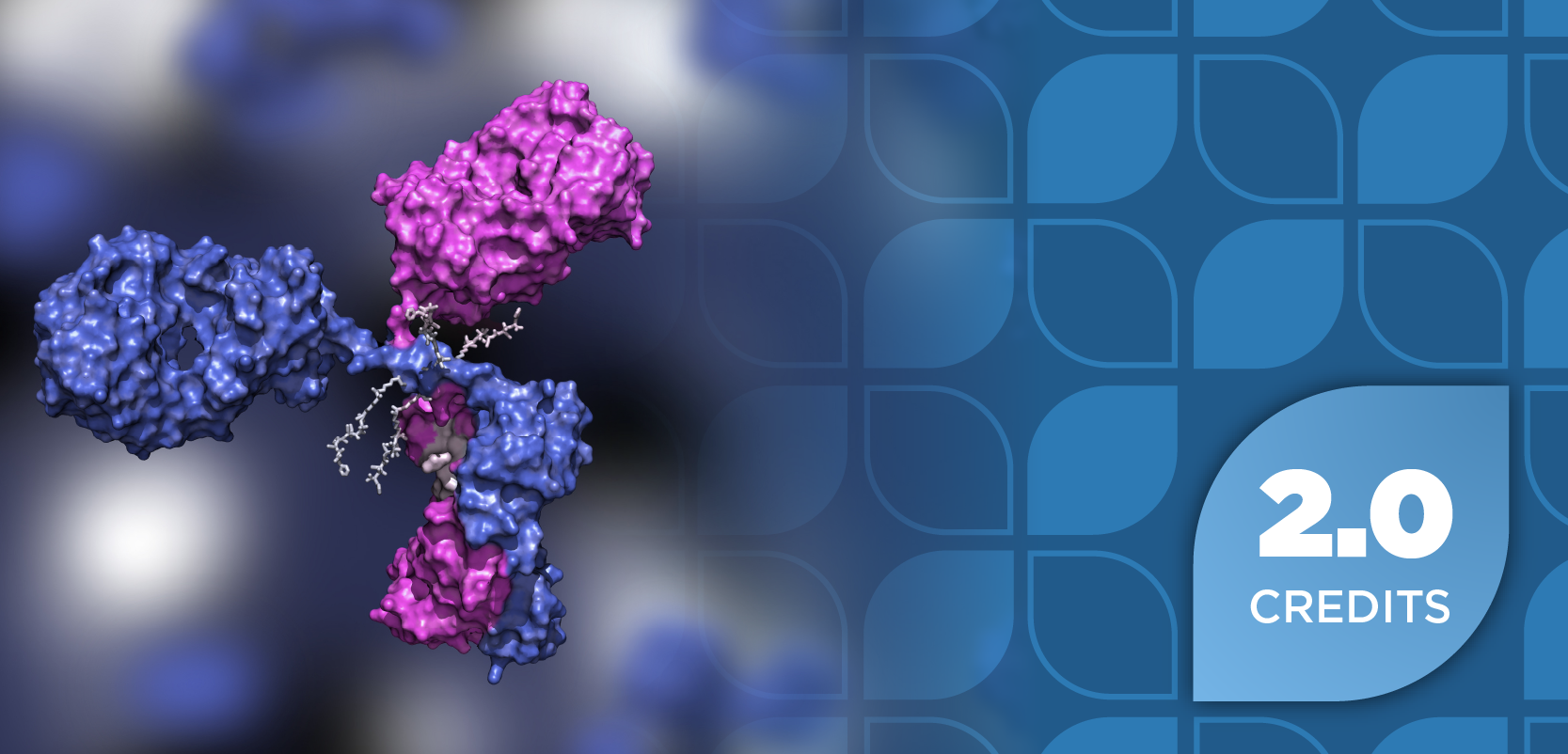
Bimagrumab is a monoclonal antibody targeting activin type II receptors, blocking binding of myostatin and activin A. This inhibits signaling pathways that regulate muscle growth and adipose tissue metabolism. By targeting activin signaling in adipose tissue, bimagrumab increases lipid mobilization and lipolysis while promoting skeletal muscle growth through effects on the activin receptor-like kinase 4 pathway.1
Semaglutide reduces body weight primarily by targeting central mechanisms regulating energy balance, decreasing appetite and food intake. The complementary mechanisms of these agents—semaglutide reducing caloric intake centrally and bimagrumab directly affecting peripheral adipose and muscle tissues—resulted in enhanced fat loss without proportional muscle loss.1
Pharmacist Implications
Pharmacists counseling patients starting combination obesity therapy should focus on setting realistic expectations about the extended timeline for achieving maximal effects. Bimagrumab requires loading doses at weeks 1 and 4, followed by maintenance dosing every 12 weeks, whereas semaglutide requires gradual dose escalation over several weeks. Patients need to understand that this is a prolonged treatment approach, not a rapid weight-loss solution.
Managing adverse events becomes particularly important given the distinct adverse effect profiles of each agent. Muscle spasms associated with bimagrumab may respond to adequate hydration, electrolyte management, and gentle stretching. Pharmacists should screen for magnesium levels and recommend supplementation if deficient, as the trial showed decreases in magnesium levels with bimagrumab treatment, although values remained within normal ranges. Gastrointestinal effects from semaglutide—nausea, diarrhea, and constipation—may be mitigated through standard GLP-1 counseling, including eating smaller meals, avoiding high-fat foods, and staying hydrated.
The trial excluded patients with diabetes, limiting immediate applicability to diabetic populations. Future studies will evaluate combination approaches, including bimagrumab with tirzepatide (Mounjaro, Zepbound; Eli Lilly and Company) and using subcutaneous rather than intravenous bimagrumab administration to potentially improve tolerability and convenience. As these therapies advance toward potential approval, pharmacists will need to stay informed about evolving evidence on optimal patient selection, dosing strategies, and long-term safety.
REFERENCES
1. Heymsfield SB, Aronne LJ, Montgomery P, et al. Bimagrumab plus semaglutide alone or in combination for the treatment of obesity: a randomized phase 2 trial. Nat Med. Published online March 2, 2026. doi:10.1038/s41591-026-04204-0
3. Neeland IJ, Linge J, Birkenfeld AL. Changes in lean body mass with glucagon-like peptide-1-based therapies and mitigation strategies. Diabetes Obes Metab. 2024;26(suppl 4):16-27. doi:10.1111/dom.15728
4. McCarthy D, Berg K. Muscle mass and glucagon-like peptide-1 receptor agonists: adaptive or maladaptive response to weight loss? Circulation. 2024;150(16):1288-1298. doi:10.1161/CIRCULATIONAHA.124.067676
5. Mechanick JI, Butsch WS, Christensen SM, et al. Strategies for minimizing muscle loss during use of incretin-mimetic drugs for treatment of obesity. Obes Rev. 2025;26(1):e13841. doi:10.1111/obr.13841