

Camizestrant is a next-generation oral SERD and pure Erα antagonist that has demonstrated anti-cancer activity across a range of preclinical models, including in patients with ER-activating mutations.
Camizestrant is a next-generation oral SERD and pure Erα antagonist that has demonstrated anti-cancer activity across a range of preclinical models, including in patients with ER-activating mutations.
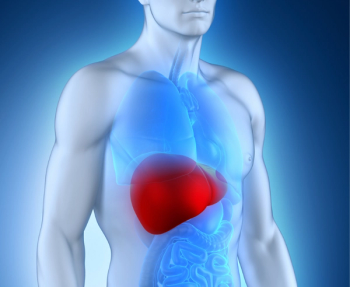
Inflammation-based prognostic scores can be a valuable tool in assessing the overall survival of patients with intrahepatic cholangiocarcinoma.
Results demonstrate improved progression-free survival in the overall patient population and in a prespecified biomarker subgroup of tumors with alterations in specific genes, AstraZeneca says.

Findings are encouraging for individuals with cancer who are receiving immune checkpoint inhibition treatment and want to get a third vaccine dose, investigators said.

By 2019, lung cancer mortality rates decreased by 5.4% in males since 2015, while deaths from ovary cancer have also declined rapidly over the past 2 decades.

Completing a breast cancer-focused continuing education credit and encouraging screenings are 2 ways that pharmacists can get involved during the month of October.
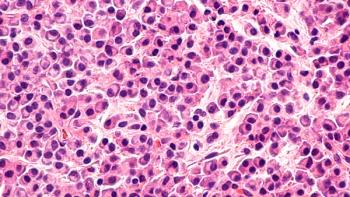
The indication is approved under accelerated approval based on response rate, and continued approval for this indication may be contingent upon verification and description of clinical benefit in confirmatory trials.
Research suggests that positron emission tomography scans are effective at detecting early and late Hodgkin’s lymphoma, and the results could help manage and reduce toxicity from current chemotherapies.
Understanding the novel mechanisms of multiple myeloma can help to develop better next-generation therapies that overcome drug resistance.

In a multivariable analysis, treatment with carboplatin is favored for extensive-stage cell lung cancer, even if it is not found to increase overall survival compared to standard care.

These study findings may have implications for monitoring for the development of ICANS in patients receiving CAR T-cell therapies for cancer, according to the authors.

Patients with synchronous liver metastases from colorectal cancer have been found to have worse outcomes than those with metachronous liver metastases.

The approval includes a novel dose and schedule of the combination, with a single dose of both drugs followed by durvalumab every 4 weeks in patients with unresectable hepatocellular carcinoma.

Nivolumab may cut the risk of death or recurrent cancer by more than half, according to phase 3 trial results.

CAR T cells may have the ability to be engineered and remain consistently functional, leading to more effective cancer treatment.

Sonidegib binds to and inhibits a transmembrane protein to disrupt hedgehog pathway signal transduction and leading to antitumor activity in patients with locally advanced basal cell carcinoma.

Pharmacist involvement in identifying causes and treatment approaches is essential, as BCC can be a result of prior radiation therapy.

Immune function has been found to play a significant role in multiple myeloma.

Specialty pharmacy reports case of alirocumab prescription with mg incorrectly typed instead of mL.

The agent is representative of a new class of drug, ImmTAC.
A researcher suggests that novel immune modulating cancer therapies like cancer vaccines can be more effective and safer alternative to previous cancer immunotherapies.

The FDA-approved, targeted radiopharmaceutical agent can contribute to a patient’s cumulative radiation exposure.

Further, the survey showed that fewer than half of women would flag redness of the breast, thickening of the skin, or 1 breast feeling warmer and heavier than the other as possible symptoms.
Rami Elghandour, chairman and CEO of Arcellx, discussed the company’s investigative CAR-modified T-cell therapy.

Presenters at the AMCP Nexus conference explore outcomes data and whether these medications should be substituted for reference products more frequently.
Research indicates quadruplet regimens may be a viable option for this disease.

The study will evaluate the safety, tolerability, and efficacy of the in combination in patients both with and without prior exposure to a KRASG12C inhibitor.

Jeremy Graff, chief scientific officer at IMV, discusses why the development of viable cancer vaccines is a bit more slow-going in comparison to the fast-paced development of COVID-19 vaccines during the pandemic.
Opportunities for further optimization of CML management remain.
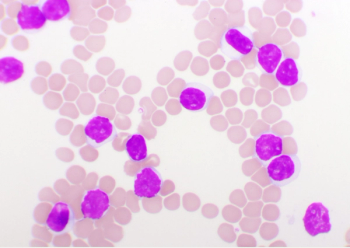
Zanubrutinib (Brukinsa) is a small molecule Bruton’s tyrosine kinase inhibitor under evaluation as a monotherapy and in combination with other treatments for various B-cell malignancies.