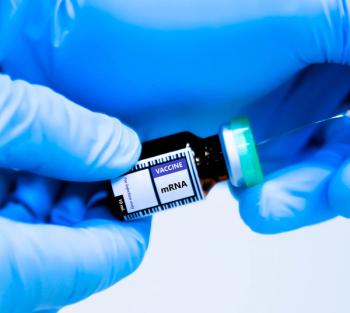
Despite the controversy surrounding mRNA's role in the COVID-19 response, the technology's broader promise—to prevent, treat, and even cure a host of diseases—is coming into focus.
Pharmacists play a crucial role in ensuring travelers receive essential vaccines, bridging gaps in immunization and enhancing global public health.
As international travel rebounds, patients are once again moving quickly between countries with very different infectious disease profiles. At the same time, outbreaks of measles, influenza, and other vaccine-preventable diseases are being driven by gaps in routine and travel immunization coverage. Travel vaccines are therefore not only about checking an entry requirement box; they are a core component of global public health protection and pharmacists are on the front line of this work.
Current recommendations point out that immunizations should be verified before any pretravel consultation, followed by an evaluation of risks and local requirements. According to the CDC, traveling abroad makes patients more likely to acquire and spread infections that may be rare or even nonexistent in the US. The CDC advises travelers to seek consultation 4 to 6 weeks before their departure to allow time for multidose series and adequate immune response.1
The World Health Organization (WHO) categorizes vaccines for travelers as "routine" (e.g, measles, influenza, tetanus, and polio) and "selective," such as cholera, hepatitis A, Japanese encephalitis, meningococcal disease, rabies, tick-borne encephalitis, typhoid, and yellow fever, depending on the travel destination and risk of exposure.2
A 2025 review in The American Journal of Medicine synthesizes updated recommendations and recent product approvals for adult international travelers, underscoring how travel immunizations now span classic agents such as hepatitis A and yellow fever as well as newer or updated formulations for cholera, typhoid, Japanese encephalitis, rabies, and others.³ The review reiterates that immunizations—along with malaria chemoprophylaxis, vector avoidance, and travelers’ diarrhea prevention—remain the cornerstone of pre-travel consultation.
For pharmacists, this expanding portfolio means more opportunities to intervene but also a greater need to stay current on shifting guidance, vaccine shortages, and country-specific entry rules.
Recent data show that despite clear recommendations, many vaccine-qualified travelers do not get the necessary immunizations during their pre-travel visits. In a large Global TravEpiNet analysis of more than 10 years of pre-travel visits at 31 US sites, researchers discovered that in 68% of the cases where travelers were eligible for the pneumococcal vaccine, no pneumococcal vaccination was offered to them during their pre-travel encounter.⁴
Among the travelers who were eligible for influenza vaccination, 15% were never offered the vaccine, 30% refused it when it was offered, and another 14% were unable to receive it because the vaccine was not available. Nonadministration was most frequent between April and September, when many clinics do not routinely stock the influenza vaccine. These findings illuminate not only structural barriers (limited supply, seasonal stocking practices) but also behavioral ones (low risk perception, hesitancy).
On the patient side, acceptance of travel-related vaccines, including seasonal influenza, is far from optimal. In 2025 a cross-sectional survey of nearly 500 international travelers at a Thai travel clinic revealed that over 80% of the travelers had adequate knowledge of influenza, but only 38.2% of them stated that they had been vaccinated against it. The factor that was most strongly associated with the acceptance of the vaccine was a direct recommendation by a health care professional.5 This underscores that provider communication—how strongly clinicians recommend travel vaccines and how they frame risk—can be decisive.
Measles is another instance of how the travel-related gaps can lead to serious consequences. In 2024, the CDC put out an alert calling on clinicians to make sure that all international travelers, even infants aged 6 to 11 months, are given the measles, mumps, and rubella (MMR) vaccine prior to their departure.⁶ The very first part of the announcement also indicated that the majority of measles cases in the US were the result of infections brought in from abroad and that these children were mostly unvaccinated. Therefore, the agency advised that children going abroad should receive an early dose of the MMR vaccine followed by 2 doses according to the regular vaccination schedule later on in the children's age.⁶
Pharmacists are instrumental in bridging the travel vaccine gap. They do this by actively recognizing patients who are planning international trips, assessing immunization requirements both for their routine and the destination, and giving them strong, clear recommendations, which help to dispel common misconceptions and hesitancies. Using the latest CDC and WHO recommendations, pharmacists can quickly decide which vaccines, such as MMR, hepatitis A, typhoid, or influenza, are necessary before the trip. They can also attract and retain patients by changing stocking practices to provide vaccines that are essential to be available throughout the year and by facilitating the issuance of referrals in a timely manner when certain products are not available. By means of detailed recording and communication with primary care and travel medicine providers, pharmacists become instrumental to the integration of travel vaccines into the patient's general preventive care plan, ultimately reducing the risk of vaccine-preventable diseases in travelers and their home communities.
Travel vaccines are a prime example of how health care for an individual can benefit the entire globe. New data indicate that a large proportion of travelers who are eligible for vaccines leave their pre-travel health visits without having received all the necessary vaccines, because in many cases there are missed opportunities and vaccine hesitancy.3-5 Pharmacists can greatly lower the occurrence of vaccine-preventable infections in travelers and the communities they return to by regularly checking travel plans, using guideline recommendations, providing firm and clear vaccine recommendations, and modifying clinic operations to make vaccines available.