

Repotrectinib is a promising next-generation tyrosine kinase inhibitor under investigation for the treatment of ROS1-positive locally advanced or metastatic non-small cell lung cancer.
Repotrectinib is a promising next-generation tyrosine kinase inhibitor under investigation for the treatment of ROS1-positive locally advanced or metastatic non-small cell lung cancer.

In the initial cohort, 63% of patients with advanced melanoma achieved an objective response rate, including 6 who had a complete response and 19 who had a partial response to the combination of fianlimab and cemiplimab.

Study shows 18.4% of patients with relapsed or refractory chronic lymphocytic leukemia treated with lisocabtagene maraleucel achieved a complete response (CR), with median duration of CR not reached at median follow-up of 21.1 months.
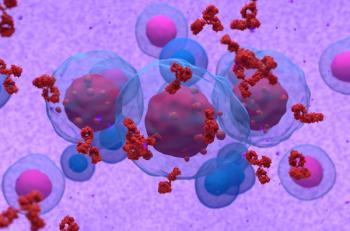
Multiple myeloma treatment selection is critical due to the potential for developing treatment resistance over time to the currently prescribed drugs.

With no treatments currently FDA approved, patients arrive at the hospital with no options for treatment beside waiting for the intoxication to pass.

Program Chair Ryan Haumschild, PharmD, MS, MBA, discussed what attendees can look forward to at the inaugural Oncology Pharmacists Connect meeting.

Decentralization has already been shown to streamline clinical trials, but it also has the potential to improve the broader health care ecosystem.

Overweight or obesity between middle and later adulthood had a statistically significant risk for noncolorectal gastrointestinal cancer.

Research has shown these programs can increase the number of patients who can access targeted treatments.

Weight loss that began as far as 2 years before a lung cancer diagnosis was associated with a risk of cancer.

The protozoan intranasal treatment was associated with a strong increase of immune cells within the lung.

Specialty pharmacists—those caring for patients with serious, sometimes life-threatening conditions such as cancer or rheumatologic disease—are not immune from the ongoing labor crisis.

The imaging agent and visualization system will be an adjunct to standard of care to reduce residual cancer in the lumpectomy cavity during initial surgery.

Understanding causes, consequences proves vital to develop therapies that exploit vulnerabilities of the cancer cells.

Treatment with epcoritamab-bysp showed a 61% overall response rate and a 38% complete response rate in heavily pretreated patients with R/R DLBCL.

The panel corresponds to proteins that are abundant in treatment-resistant melanoma cells and may predict resistance to targeted treatment.

Pegfilgrastim-pbbk is a leukocyte growth factor developed to reduce the onset of infection in patients with non-myeloid malignancies administered myelosuppressive anticancer medications associated with a clinically significant rate of febrile neutropenia.

Precision medicine is rooted in the reality that the way patients respond to treatment is heavily affected by their individual genetic variability, their complex biology, and external factors.

Fran Gregory, PharmD, MBA, vice president of Emerging Therapies at Cardinal Health, discussed the role biosimilars are playing in the pharmaceutical market as well as in patient access.
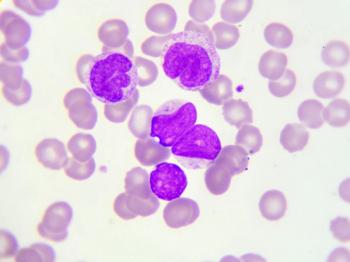
Lili Wang, MD, PhD, discusses her research investigating how METTL3 regulates RNA splicing dysregulation and contributes to CLL growth.

With a growing expectation for individualized and personalized care, medically integrated pharmacies have a great opportunity to support patients and the care team.

Individualized treatments like cell and gene therapies are poised to scale rapidly over the next decade.

Josh Marsh, vice president and general manager of Sonexus Access and Patient Support at Cardinal Health, discussed how patient assistance programs are leveraging technology.

A daily low-dose form of vitamin D3 was more effective on cancer mortality than intake of a monthly high-dose form, especially for adults aged 70 years and older.

Study of cell exhaustion in immunotherapy-resistant tumors could significantly improve the benefits of cancer immunotherapy for patients with treatment resistant types of cancer.

US Preventive Services Task Force also called for more research into how to address screening and treatment disparities faced by racial and ethnic minorities.

Importantly, Sullivan said data show that adverse events in the home infusion environment are no higher than in any other setting.

Approximately 43 total specialty drugs come to the market each year, on average.

Findings may offer insight into new strategies to tackle skin cancer in patients already treated with a prior line of therapy.

Kimlin Tam Ashing, PhD, discusses her research assessing effective interventions in ethnic minority communities to increase colorectal cancer screenings.