
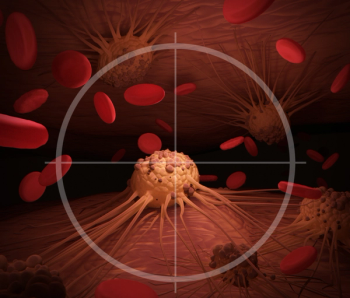
3D biofabrication models reflect increasing global awareness of the ethics of preclinical studies and an increased need for determining therapeutic efficacy differences.
3D biofabrication models reflect increasing global awareness of the ethics of preclinical studies and an increased need for determining therapeutic efficacy differences.

Nick Ferreyros, managing director of policy, advocacy, and communications at the Community Oncology Alliance, discussed the Alliance’s efforts surrounding PBMs and 340B reform.

Retifanlimab-dlwr (Zynyz; Incyte) was granted FDA accelerated approval for metastatic or recurrent locally advanced Merkel cell carcinoma.
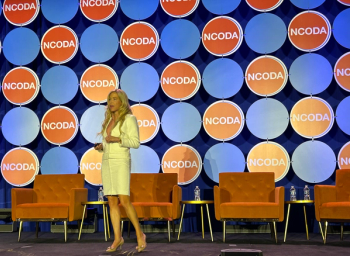
There is no single thing that can prevent all cancer risk, but there are 6 pillars of lifestyle that people can adopt to best prevent the disease.

Blinded arms of the study will continue to evaluate the combination therapy with docetaxel vs docetaxel alone, Merck says.

The portfolio of oral oncology products has evolved over the past few years and so has the traditional model of distribution.

For the management of ovarian cancer, it has been observed in both cellular and animal models that curcumin suppresses cell proliferation and promotes apoptosis.

Therapy effectively treats cells harboring HR deficiencies, including those of specific types of ovarian, breast cancers.

Most patients used nonproprietary drugs, which may contribute to the reduction of out-of-pocket costs for the treatment of invasive breast cancer.
This month, we spoke with Danielle Roman, PharmD, an oncology clinical pharmacy specialist with Allegheny Health Network.
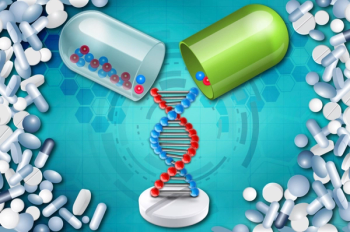
The treatment shows an acceptable toxicity profile and no new adverse events, according to results of analysis.

Niraparib with abiraterone acetate could be the first dual-action tablet for patients with metastatic castration-resistant prostate cancer and BRCA mutations.
The kit is now approved in the US to select patients with metastatic prostate cancer who are candidates for the only FDA-approved PSMA-directed radioligand therapy.
Liquid formulations of dabrafenib plus trametinib were also approved, marking the first time a BRAF/MEK inhibitor has been developed in a formulation suitable for patients as young as 1 year of age.

At 1 year, patients receiving chemotherapy regimens containing anthracyclines for lymphoma who took statins had an average ejection fraction that was 1.3% higher than those who took placebo.

Trastuzumab deruxtecan was approved by the FDA for HER2-low breast cancer treatment in 2022 and could also benefit some patients with hormone receptor-positive or triple-negative disease.

Osimertinib (Tagrisso; AstraZeneca) now has shown a statistically significant and clinically meaningful overall survival benefit in both the early adjuvant and late-stage metastatic settings.

Trastuzumab deruxtecan from AstraZeneca and Daiichi Sankyo meets prespecified criteria for duration of response and objective response rate.

Adding durvalumab to neoadjuvant chemotherapy to treat resectable early-stage non–small cell lung cancer did not increase complications and adverse events or comprise patients’ ability to undergo surgery versus chemotherapy alone.

Pharmacists are the best resource at cancer center practices to ensure patients with cancer do not need to make the choice to stop or delay therapy due to financial reasons.

Emily Graham, PharmD, MS, BCOP, an Oncology Clinical Pharmacy Specialist at Allegheny Health Network in Pittsburg, Pennsylvania, discusses the potential outcomes of mirvetuximab for patients with platinum-resistant ovarian cancer.

Median overall survival was also 2 months less for patients with extensive-stage small cell lung cancer who were ineligible for clinical trials.

Frequent aspirin use associated with a 13% lower risk of nonmucinous ovarian cancer, which was consistent with findings from previous studies.
The KEYNOTE-641 and -789 trials did not demonstrate improvements or meet the primary endpoints in metastatic castration-resistant prostate cancer and metastatic nonsquamous non–small cell lung cancer.

In part 2 of this panel discussion, experts discuss how they define traditional versus nontraditional oncology pharmacy roles and where roles within industry fit in.
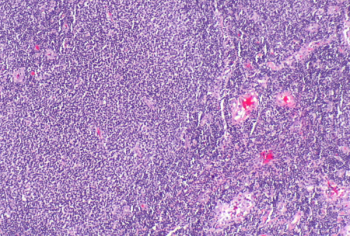
On April 2, 2023, the FDA will announce the approval status of Roche’s supplemental Biologics License Application for polatuzumab in the treatment of diffuse large B-cell lymphoma.
CRISPR technology has also been successful in treating a pediatric patient with T-cell acute lymphoblastic leukemia, showing feasibility of its use for cancer immunotherapy.

Pharmacy departments can be one of the most expensive departments in a cancer center practice, but the revenue generated for its services typically far outpaces associated costs.
Cancer Moonshot Initiative launched efforts to investigate how to better support patients with cancer by providing support in the navigation of the diagnosis, treatment, and survival of cancer.

AI-enabled algorithms can also augment clinical decision making for health care professionals using real-time data analysis and decision support to treat patients more efficiently and accurately.