
Oncology
Advertisement

These study results are the first to demonstrate randomized evidence that a personalized neoantigen approach could be beneficial for patients with cancer.
Advertisement

These data support using this combination therapy as a new first-line treatment option in patients with previously untreated metastatic or unresectable BTC.

Based on the study results, investigators concluded that there is justification for a randomized clinical trial.

The Aquilino Cancer Center established the Bill Richards Center for Healing inside the same building, so patients with cancer can receive psychedelic-assisted therapy in the same location as their cancer care.
A standard chronological definition for older adults in oncology would be beneficial.
Advertisement

Remote services allow unrivaled opportunities for outreach to vulnerable populations and those in rural areas.

Availability of clinical trials in the gynecologic cancer care space are increasing, but it is important to be mindful of current racial disparities.

The role of monoclonal antibodies in minimizing COVID-19–related complications remains important to assess.

Taken together, the studies point to meaningful changes in the standard of care for patients with advanced or recurrent endometrial cancer.
Advertisement

Individuals treated with the drugs from AstraZeneca demonstrate clinically meaningful and statistically significant improvement.
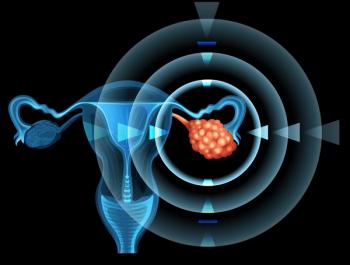
The overall survival hazard ratio numerically favored niraparib in the germline BRCA mutation cohort and favored placebo in the non-germline BRCA mutation cohort in patients with platinum-sensitive recurrent ovarian cancer.

Brianna Hawkins, MBA, a University of Tennessee Health Science Center doctor of pharmacy candidate, discusses oncology drug development and how students can start a career in this alternative path.

It would also be beneficial to include a patient’s entire healthcare team in this management strategy, said an expert at the Hematology/Oncology Pharmacy Association (HOPA) Annual Conference 2023 in Phoenix, Arizona.
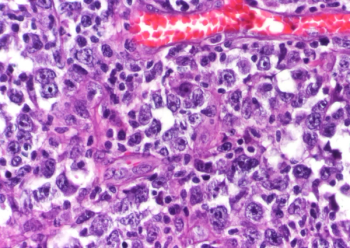
Accelerated Approvals Withdrawn for Ibrutinib in Mantle Cell Lymphoma, Marginal Zone Lymphoma
ByPT Staff
Accelerated approvals for ibrutinib (Imbruvica) for patients with mantle cell lymphoma and with marginal zone lymphoma voluntarily withdrawn based on data that were insufficient to support conversion to full approval.

Consistent toxicity management and education reinforcement can improve the patient’s treatment management strategy.
The application is based on the PHAROS trial, which met its primary endpoint of objective response rate in patients with metastatic non–small cell lung cancer with a BRAF V600E mutation.

Study results show significant differences in pCR rates, but the differences were not subtype-specific.

Expert discusses the updated guidelines for treating diabetes at the American Pharmacists Association (APhA) 2023 Meeting & Exposition in Phoenix, Arizona.

Stephen Divers, MD, discussed the future of home infusion and drug development, and how both issues will be influential in the future of community pharmacy.

Improving the process of safe medication therapy management requires comfort, trust, and fostering a culture for safe communication.
FDA Grants Accelerated Approval to Enfortumab Vedotin-ejfv Plus Pembrolizumab for Urothelial Carcinoma
ByPT Staff
Enfortumab vedotin-ejfv (Padcev, Astellas Pharma and Seagen Inc) with pembrolizumab (Keytruda, Merck) approved for the treatment of patients with locally advanced or metastatic urothelial carcinoma who are ineligible for cisplatin-containing chemotherapy.

Additionally, study results show a clinically meaningful overall survival trend in the overall population among individuals with primary advanced or recurrent disease.

Investigators suggest that funding mechanisms and interpersonal support systems are unsustainable for long-term care.
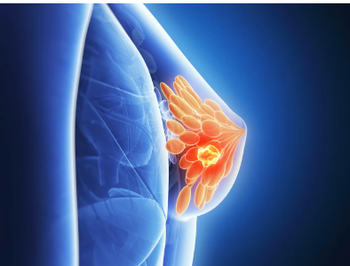
Oncology pharmacist discusses recent clinical trial data and what it could mean for patient outcomes.

A strong theme of recent conferences was the push for greater awareness of pharmacists' roles in patient advocacy and patient education.

Some common questions for oncology pharmacists are about concurrent use of complementary and alternative medicine supplements and natural products.

Clinical trial findings show that olaparib, given in the neoadjuvant setting, was feasible with 100% of participants able to receive the planned 2 cycles.

Factors (comorbidities, social factors) can largely affect the success of therapies in daily practice, despite findings observed in clinical trials.

And whatever specialty the student or resident decides on, it does not have to define the rest of their career.
Advertisement
Advertisement
Trending on Pharmacy Times
1
Obinutuzumab-Bendamustine Produces High Response Rates in Chinese Patients With Indolent B-Cell Lymphomas
2
Long-Lived Monocyte-Derived Cells Found to Support Lasting Lung Immunity Against Influenza
3
What Pharmacists Should Know About the Ifosfamide Shortage
4
State Pharmacy Boards Must Step Up Against Illegal Retatrutide
5