

Roughly one-third of patients with cancer do not achieve adequate pain control.
Roughly one-third of patients with cancer do not achieve adequate pain control.

Extended treatment with high doses of cisplatin-based chemotherapy is associated with severe and progressive hearing loss.

The drug is intended to treat individuals with metastatic or locally advanced melanoma.

Individuals with tattoos were found to have a greater risk of developing malignant lymphoma, with the risk being highest within 2 years of receiving a tattoo.

Researchers found that certain mutations in KLHL6 can lead to an increase in the number of B-cell receptors, resulting in poor outcomes for patients with diffuse large B-cell lymphoma.
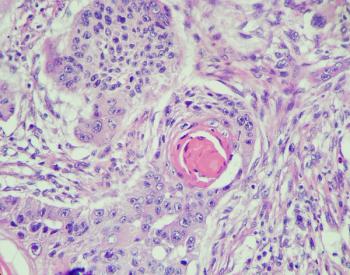
ADI-270 is a gamma delta CAR T-cell therapy candidate targeting CD70-positive cancers.

Researchers identify significant proteins involved in the growth and survival of malignant multiple myeloma cells.

Antibody-drug conjugates (ADCs) revolutionize cancer therapy by delivering powerful drugs directly to tumors and minimize damage to healthy cells.

The UK’s Medicine and Healthcare Products Regulatory Agency (MHRA) introduced changes to streamline its drug approval processes.

Omar Nadeem, MD, discusses positive outcomes associated with GPRC5D-targeted CAR T-cell therapy.

The results are promising for patients with relapsed or refractory follicular lymphoma and diffuse large B-cell lymphoma, and the trial is ongoing to assess the efficacy of odronextamab in other subtypes.

FoundationOne Liquid CDx can be used to identify niraparib and abiraterone acetate eligibility in patients with metastatic castration-resistant prostate cancer (mCRPC).

Chimeric antigen receptor (CAR) T-cell therapy can engineer T cells to target malignant cells in multiple myeloma.

The designation was approved based on interim data from a phase 1 study that assessed SV-102 among males with metastatic castrate-resistant prostate cancer (mCRPC).

The monotherapy is compared with the combination regimen of elotuzumab plus pomalidomide and dexamethasone in adult patients with relapsed or refractory multiple myeloma.

Small cell lung cancer is initially responsive to platinum-based chemotherapy, but it does develop drug resistance over time, furthering the need for better treatment options.

Increased immunoglobulin replacement therapy led to reduced infections and managed secondary immune deficiencies such as hypogammaglobulinemia.

Follow-up data reveal 10-year impact of ibrutinib in treatment of patients with chronic lymphocytic leukemia or small lymphocytic lymphoma (CLL/SLL).

Pharmacists can also play a role in SDOH by replacing drug delivery with something else, such as food or transportation delivery, according to speakers at the ATOPP conference.

The European Union (EU) has successfully created a competitive market for biosimilars, while the US faces challenging market dynamics and tactics by pharmacy benefit managers that hinder the adoption of lower-cost therapies.

Collaboration between community centers and academic medical centers can improve patient access to these complex therapies.
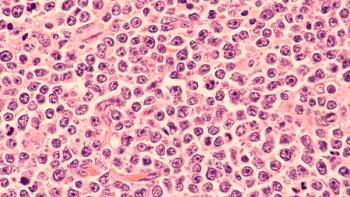
Combining multiple drugs to induce a deep response in patients with diffuse large B-cell lymphoma could open curative pathways for those affected.

An increased frequency of immunoglobulin G testing in patients with chronic lymphocytic leukemia (CLL) and non-Hodgkin lymphoma (NHL) was also associated with a lower likelihood of severe infections.

Antibody drug conjugate TUB-040 demonstrated superior biophysical properties for treating platinum-resistant ovarian cancer.

Health professionals have expressed concerns regarding consistent naming standards, the regulatory process surrounding the approval of biosimilar drugs, and the lack of education they have about biosimilars.

When treating patients with graft-vs-host disease, pharmacists are often responsible for selecting treatment regimens while navigating other spheres of care.

Laura Bray, founder of Angels for Change, explains that addressing the 4 key economic causes to drug shortages can also help lead to effective solutions long-term.

A biologics license application (BLA) for patritumab deruxtecan receives complete response letter due to inspection findings at third-party manufacturer.

HOPA’s DEI Advisory Board Chair discusses how creating safe environments, using correct pronouns, and being willing to talk about patients’ mental and physical needs are significant when providing care to LGBTQIA+ patients.
The approval marks the first and only T-cell engaging bispecific antibody administered subcutaneously to treat patients after 2 or more lines of systemic therapy.