
Durvalumab is a human monoclonal antibody that targets and binds to PD-L1 to interrupt tumor immune-evasion tactics.
Durvalumab is a human monoclonal antibody that targets and binds to PD-L1 to interrupt tumor immune-evasion tactics.
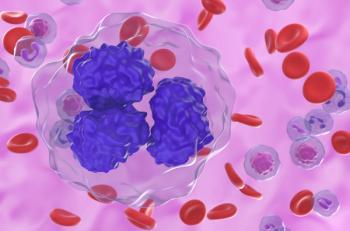
Building off the positive results of ELM-1, the ELM-2 trial found intravenously administered odronextamab was safe and effective in patients with relapsed or refractory follicular lymphoma.

The supplemental biologics license application was granted based on results from the ADRIATIC phase 3 trial among individuals with limited stage small cell lung cancer.

The decision is based positive data from the Deltacel-01 clinical trial.

AC699 is being evaluated for patients with estrogen receptor-positive (ER+), human epidermal growth factor receptor 2 negative (HER2–), estrogen receptor 1-mutated advanced or metastatic breast cancer with disease progression on or after at least 1 line of endocrine-based therapy.
Peer Reviewed
This review explores cytopenia after CAR T-cell therapy, including its risk stratification and management with growth factors, thrombopoietin-receptor agonists, and hematopoietic stem cell boosts.

Axatilimab-csfr (Niktimvo, Incyte Corporation) is a colony stimulating factor-1 receptor-blocking antibody for the treatment of chronic graft-versus-host disease (cGVHD).

Pharmacists play a vital role in therapy selection.
The data builds off prior studies supporting bendamustine-rituximab as a first-line treatment for patients with non-Hodgkin lymphoma.

In her first Editor’s Note as editor in chief of PPFO, Zahra Mahmoudjafari shares reflections on a summer filled with conferences.

The trial evaluated a fixed-dose combination of vibostolimab and pembrolizumab in combination with chemotherapy as a first-line treatment for extensive-stage small cell lung cancer.

Pharmacists will play an integral role in this evolving field, from patient education and monitoring AEs to new therapeutic developments and treatment protocols.

A variety of signs and symptoms of lymphoma were reported, including fever, stomach discomfort, and weight loss.
The study is expected to include 460 individuals that will be randomly treated with 12mg of ifinatamab deruxtecan or chemotherapy chosen by the health care provider.

Statins and non-statin cholesterol-lowering agents show potential in reducing the risk of liver cancer.

Dan Schrum discusses the integral role of pharmacy specialists in translating clinical trial results to clinical practice.

The findings may lead to the development of diagnostic and therapeutic targets to prevent worsening disease in patients.

Investigators will examine the combination with pembrolizumab and lenvatinib in patients with HER2-expressing endometrial cancer.

Isatuximab (Sarclisa; Sanofi) in combination with standard-of-care significantly improved progression-free survival in patients with newly diagnosed multiple myeloma.

Dan Schrum highlights the crucial role of lymphodepletion in enhancing the effectiveness of CAR T cell therapy.
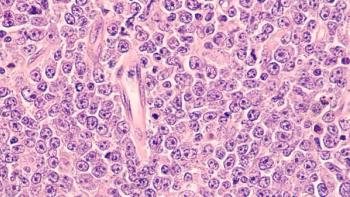
Denileukin diftitox-cxdl is the only therapy approved for cutaneous T-cell lymphoma that targets IL-2 receptors in malignant T-cells and Tregs.

Pharmacists can personalize supportive care, educate patients and their caregivers, advocate for patients, and collaborate with other health care workers.

This marks the first FDA-approved systemic therapy for patients with grade 2 astrocytoma or oligodendroglioma with a susceptible isocitrate dehydrogenase-1 (IHD1) or IDH2 mutation.
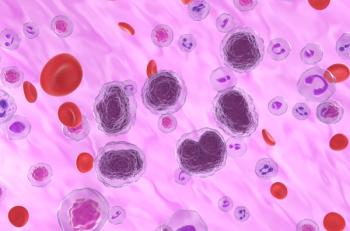
Replacing carmustine with cisplatin in BEAM ((carmustine, etoposide, cytarabine, and melphalan) conditioning could be more cost-effective for patients.

Acalabrutinib plus venetoclax, with or without obinutuzumab, demonstrated significant improvements in progression-free survival.

A report from SkyQuest Technology highlights the growth in the oncology and insulin spaces, indicating they will contribute to the most growth.

The drug also receives orphan drug designation for the treatment of pancreatic neuroendocrine tumors and a Prescription Drug User Fee Act target action date of April 3, 2025.

The findings highlight the potential for developing more efficacious combination treatments for patients with glioblastoma.
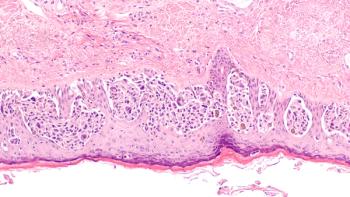
The trial is evaluating the success of BNT111 and cemiplimab in treating unresectable stage III or IV melanoma whose disease had progressed following anti-PD-(L)1-containing treatment.

In the first half of 2024, the FDA approved 23 novel drugs for conditions including alopecia areata, Alzheimer disease, small cell lung cancer, bladder cancer, and more.