
Investigators determine the efficacy and safety of the combination in a 2-phase trial.
Investigators determine the efficacy and safety of the combination in a 2-phase trial.

Afamitresgene autoleucel (afami-cel) is a novel cell therapy for the treatment of patients with synovial sarcoma.
Afami-cel was approved in conjunction with MAGE-A4 IHC 1F9 pharmDx, a diagnostic tool that can identify patients eligible to receive the treatment for synovial sarcoma.
The diagnostic tool can aid the identification of patients with synovial sarcoma who may be eligible for treatment with newly approved afamitresgene autoleucel.
The RUBY trial will continue and analyze the overall population survival after treatment with the drug combination.

The findings provide guidance for clinicians and patients when navigating therapeutic options to establish treatment plans.
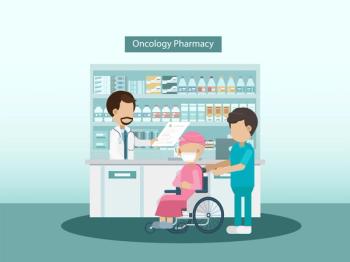
Pharmacists' roles in community-based cancer centers are expanding, with a more significant role in managing complex treatment regimens, ensuring comprehensive patient care, navigating drug shortages, and collaborating with multidisciplinary teams to enhance patient outcomes and streamline health care operations.
The drug previously received breakthrough therapy designation for newly diagnosed Philadelphia chromosome-positive chronic myeloid leukemia that is in chronic phase.

The decision is based on positive results from the PERSEUS trial.
Jennifer Dunphy, DrPH, MBA, MPH and Nelly Awkar-Lazo, MD, discuss the rise in young-onset cancer, the gut-colon cancer link, and the importance of healthy lifestyle choices for cancer prevention.

The designation is based off positive results from the RAMP 205 trial presented at the ASCO Annual Meeting.
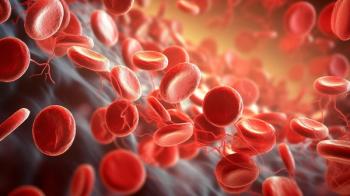
Early identification of monoclonal gammopathy of undetermined significance leads to more efficacious disease monitoring and intervention.
Advancements in treatment include immune checkpoint inhibitors and BRAF/MEK inhibitors, though resistance remains a challenge, with lifileucel recently approved for previously treated metastatic cases.

The similarities were shown for both the US formulation and the EU formulation.

The blood test offers patients advanced screening methods capable of detecting colorectal cancer in its earlier stages.
Increased levels of absolute lymphocyte count are associated with improved response to BCMA-targeted CAR T-cell therapy.
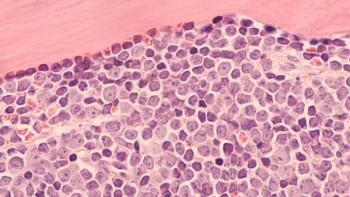
The new approach could optimize precision medicine and lead to better outcomes across a variety of disease states.

AIC100 could meet an unmet medical need to effectively treat individuals with anaplastic thyroid cancer — the most aggressive form of the disease.

β2-microglobulin may be an effective indicator of coagulation dysfunction in patients with newly diagnosed multiple myeloma (NDMM).

Proper timing and vaccine selection are crucial for optimal immune responses.

Educators should prioritize integrating social determinants of health (SDOH) for the next generation of pharmacists.

There were positive efficacy and safety results for tivozanib monotherapy consistent with previous analyses.
In a study of Swedish patients with mantle cell lymphoma, the participants faced a heightened risk of infection after their diagnosis and associated treatment for the disease.

Both economic factors and supply chain fragility play a role.
IMROZ study data show Isa-VRd may be a new standard of care.

NADINA trial results support a new standard of care for these patients.

Prediction model can accurately predict the risk of nerve damage in patients who received taxane-based chemotherapy.

Data presented show significant advancements in treatment options.
The 2024 American Society. ofClinical Oncology (ASCO) Annual Meeting in Chicago, Illinois, highlighted significant advancements across various oncology disciplines.

Treatment of advanced/metastatic urothelial cancer has changed dramatically in recent years. This review discusses the use, risks, and benefits of several novel therapies for this indication.