

Nicholas Robert, MD, chief medical officer at Ontada, discusses disparities in biomarker testing and how they are being addresses at ASCO 2022 Annual Meeting.
Nicholas Robert, MD, chief medical officer at Ontada, discusses disparities in biomarker testing and how they are being addresses at ASCO 2022 Annual Meeting.

Biomarker positive patients were randomized to maintenance rucaparib 600 mg or matched placebo within 10 weeks of completing PBC until disease progression.

Findings of the phase 2 cohort and the phase 1b cohort of the KRYSTAL-1 study are being presented at the 2022 American Society of Clinical Oncology Annual Meeting.

The researchers noted that the objective of the study was to assess the trends of 1L PARPi maintenance treatment uptake and PFS of patients with newly diagnosed AOC.

New results from the ATHENA-MONO trial investigating the use of rucaparib in patients with ovarian cancer show promise.

The trial achieved a complete remission rate of 39.4%, which researcher Michael Dickinson, MBBS, DMedSci, called "remarkable."

Circulating tumor DNA tests could someday replace CT scans for cancer management, according to Bruce Feinberg, DO.

Bruce Feinberg, DO, vice president and chief medical officer at Cardinal Health Specialty Solutions, discussed how a cancer diagnosis and treatment can impact patients’ mental health.

Pharmacy Times spoke with Amila Patel, PharmD, chief clinical officer at Navigating Cancer, to learn about digital health solutions in oncology and what she sees for the future of these solutions.

Trastuzumab deruxtecan shows superior and clinically meaningful progression-free survival and overall survival benefit in patients with HER2-low unresectable and/or metastatic breast cancer with hormone receptor-positive or negative disease.

Three-year follow-up analysis shows that Gilead’s car T-cell therapy induced high rates of durable response and a median overall survival of 46.6 months.

Sacituzumab govitecan-hziy (Trodelvy) found to lower the risk of disease progression or death by 34% in patients with hormone receptor-positive/human epidermal growth factor receptor 2-negative metastatic breast cancer.
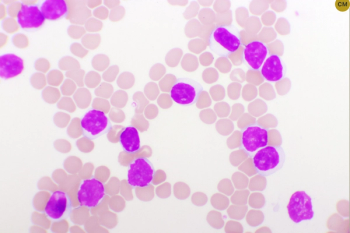
AstraZeneca trial results shows 90% of patients with chronic lymphocytic leukemia surviving for 5 years.

Kelly McAuliff, PharmD, BCOP, CSP, spoke about research into the impacts of the COVID-19 pandemic on oral oncolytic adherence, particularly for patients with ovarian cancer, prostate cancer, or chronic myelogenous leukemia.

Both patients and providers should recognize the benefits of early referrals to palliative care.

Ahmed Kotb, MD, vice president of US medical affairs, oncology, at AbbVie, discussed new findings from the REFINE trial and what they could mean for patients with myelofibrosis.

With several recent approvals, new CAR T therapies are having significant impacts in multiple myeloma treatment.

With a median follow-up of 90 months, individuals receiving palbociclib in combination with letrozole had numerically longer OS compared to placebo, but it was not deemed statistically significant.
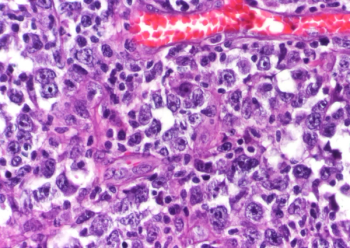
Overall outcomes were consistent with axicabtagene ciloleucel in the real-world setting, regardless of race or ethnicity, in adults with relapsed or refractory large B-cell lymphoma.

Brentuximab vedotin (Adcetris) plus doxorubicin, vinblastine, and dacarbazine shows improved overall survival compared with standard chemotherapy in patients with previously untreated, advanced stage classical Hodgkin lymphoma.

An immune checkpoint inhibitor plus ramucirumab found to improve overall survival versus standard of care in patients with advanced non-small cell lung cancer.
Ibrutinib plus bendamustine-rituximab and rituximab maintenance was found to lower the risk of disease progression or death by 25% compared with placebo in patients 65 years of age or older with newly diagnosed mantle cell lymphoma.

Uliledlimab plus toripalimab (Tuoyi) shows significant response rates in patients with advanced non–small cell lung cancer previously ineligible to receive standard-of-care treatment.

The efforts of pharmacists remain critical to the success of treatment outcomes.

Analysis shows that different genetic mutation profiles in tumors harboring PIK3CA mutation did not affect the treatment benefit with alpelisib (Piqray) combined with fulvestrant in individuals with HR+/HER2- advanced or metastatic breast cancer.
Improvement in recurrence-free survival was seen primarily in individuals with very high-risk renal cell carcinoma, whereas individuals with intermediate high-risk disease showed no improvements in survival.

The median overall survival was 66 months for individuals with hormone receptor-positive/human epidermal growth factor receptor-negative advanced or metastatic breast cancer administered at least 1 dose reduction of ribociclib (Kisqali) from the starting dose of 600 mg.

Oncology pharmacists can help ensure patient access to lifesaving therapies.

The FDA approved decitabine/cedazuridine in 2020 for treatment of adults with myelodysplastic syndromes.

Ogi Kavazovic, co-founder and CEO of House Rx, discusses the company's technology platform and pharmacy service and how it can better enable community oncology pharmacy practices to offer medically integrated dispensing.