

Framing systemic inflammation as a “slow burn” helps patients see why SGLT2 inhibitors and GLP-1s work across diabetes, heart failure, and CKD.
Framing systemic inflammation as a “slow burn” helps patients see why SGLT2 inhibitors and GLP-1s work across diabetes, heart failure, and CKD.

In an interview with Pharmacy Times, Scott Soefje, PharmD, MBA, BCOP, FCCP, FHOPA, discussed how Inlexzo and increasingly complex urologic cancer therapies are driving closer coordination between urology and oncology pharmacy.

Chronic kidney disease (CKD) in diabetes is often caught late. Standardized eGFR and UACR screening plus thoughtful sequencing can slow progression and cut CV risk.
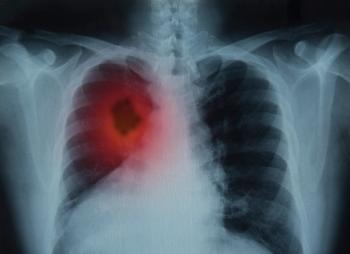
First-line trastuzumab deruxtecan significantly delayed disease progression in HER2-mutant advanced NSCLC.

The all-oral combination of osimertinib and savolitinib significantly improved progression-free and overall survival following osimertinib resistance.

Topiramate, an antiseizure medication, has an off-label indication for cocaine use disorder and it received a conditional recommendation with a low certainty of evidence.

The approval is supported by clinical data from 2 studies.

Pharmacists play a key role in translating COVID-19 variant surveillance data into patient-centered counseling on vaccine efficacy.

Prioritizing self-care is not optional; it is necessary for ongoing effectiveness and professional satisfaction.

Making cannabidiol water-soluble could reduce dissolution and food-related variability, but improved aqueous behavior has not yet been shown to produce better clinical outcomes.
The FDA's decision makes iberdomide the first approved CELMoD for patients with relapsed/refractory multiple myeloma.
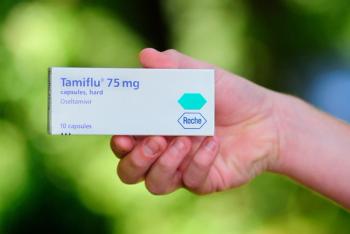
This study strengthens the evidence base supporting current guidelines and may help reverse the recent decline in pediatric antiviral use.

Active surveillance increased from 27% in 2005 to 93% in 2024, reflecting a major shift away from immediate treatment for favorable-risk disease.

The warning has prompted new CDC recommendations for prevention and molecular diagnostic testing.

Andrew Bzowyckyj, PharmD, explains how the CKM framework turns albuminuria, ejection fraction, and inflammation into patient-specific risk stratification.
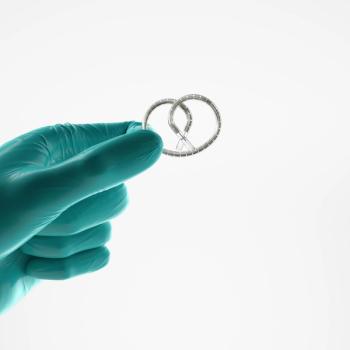
Inlexzo (gemcitabine intravesical system) reshapes NMIBC care: bladder‑dwelling therapy, J9183 billing, and coordinated pharmacy‑urology safety steps.
The combination also produced a 78.6% complete response rate in heavily pretreated patients with R/R mantle cell lymphoma following BTK inhibitor therapy.

There are specific, appropriate uses of AI that support pharmacy students and residents without compromising the integrity of their own work.

Pharmacy's location-based title reflects an unfinished professional transition that provider status and privileging, not renaming, must complete.

Robust reporting and analysis of medication errors allows health care institutions to identify systemic vulnerabilities, revamp workflows, and build a resilient infrastructure.

Phase 3 MajesTEC-9 findings show teclistamab monotherapy significantly improves progression-free survival and overall survival compared with PVd or Kd.
The designation highlights an emerging strategy targeting TNFR2-mediated immune suppression in heavily pretreated platinum-resistant ovarian cancer.

IRA reshapes Medicare drug costs: Part B negotiations loom, pharmacies adapt, and patients gain Part D caps—see impacts on oncology care and access.

A phase 4 study found that a suzetrigine-based multimodal pain regimen provided favorable postoperative pain control, with 76.1% of patients recovering without opioid rescue medication.

A first-in-class RNA degrader targeting MYC mRNA showed preclinical antimyeloma activity, offering a potential new strategy for targeting a historically difficult-to-drug driver of multiple myeloma.

New trials explore glucagon-like peptide-1 receptor agonists for alcohol, nicotine use disorder, and smoking cessation.
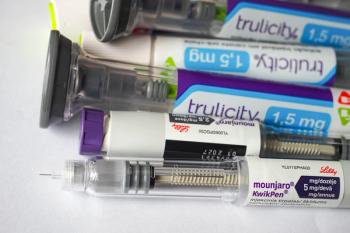
A US claims analysis found a 32% relative reduction in major adverse cardiovascular events (MACE) with tirzepatide vs a placebo-proxy comparator.
Patients with nodal TFHL had a 5.3% 5-year incidence of subsequent myeloid neoplasms, with shared TET2 mutations supporting divergent evolution from underlying clonal hematopoiesis.

A new study found that first-prescription buprenorphine abandonment nearly doubled from 2020 to 2024.

Phase 3 SOLARIS shows high-dose vitamin D3 with first-line chemo in metastatic colorectal cancer is safe—but does not significantly improve PFS.