Fixed-duration pirtobrutinib plus venetoclax-rituximab reduced the risk of progression or death by 45% and achieved higher undetectable MRD rates than venetoclax-rituximab alone.

Fixed-duration pirtobrutinib plus venetoclax-rituximab reduced the risk of progression or death by 45% and achieved higher undetectable MRD rates than venetoclax-rituximab alone.

This abstract was presented at the Oncology Pharmacists Connect (OPC) meeting in Austin, Texas, from June 18 to 19, 2026.

This is an encore presentation from the 2025 American Pharmacists Association Annual Meeting and Exposition in Nashville, Tennessee. This abstract was presented at the Oncology Pharmacists Connect (OPC) meeting in Austin, Texas, from June 18 to 19, 2026.

Data showed that talquetamab combined with daratumumab, with or without pomalidomide, significantly improved PFS, OS, response rates, and MRD negativity.

The FDA approved Rextovy, a 4-mg OTC naloxone nasal spray, expanding public access to a lifesaving opioid overdose reversal medication and increasing the availability of nonprescription treatment options.

The indication is for complicated urinary tract infections (UTIs) caused by several susceptible microorganisms in adults who have limited or no alternative oral treatment options.

Fátima Rodriguez, MD, explains how the new cardiovascular-kidney-metabolic (CKM) syndrome guideline addresses health equity, risk prediction, and the pharmacist's role in care.

The findings add to a growing body of evidence supporting metformin's role as a preventive strategy against postacute sequelae of COVID-19.

Although overall drug shortages declined in 2025, USP findings suggest that long-standing supply chain vulnerabilities continue to fuel persistent shortages across multiple therapeutic areas.

Proactive, multidisciplinary strategies for managing drug shortages.

FDA clears teclistamab plus daratumumab after first relapse, delivering striking PFS gains—plus practical tips to manage CRS, ICANS, and infections.

Data presented at EHA 2026 showed that epcoritamab significantly improved progression-free survival and complete response rates compared with standard chemoimmunotherapy in patients with relapsed or refractory (RR) large B-cell lymphoma (LBCL).

Specialty pharmacy technicians address barriers in oral anticancer therapy and transitions of care through improved care coordination and therapy access.

Inlexzo Gemcitabine Intravesical System delivers sustained therapy for BCG-unresponsive NMIBC, raising complete response and avoiding cystectomy.

TIMI Study Group investigators presented new VESALIUS-CV data showing that intensive LDL-C lowering with evolocumab reduces major cardiovascular events, reinforcing the "lower is better, earlier is better" approach to lipid management.

The indication is for adults with PTEN-deficient metastatic androgen pathway modulation-naïve or modulation-sensitive prostate cancer.

European Hematology Association 2026 data show sonrotoclax plus zanubrutinib drives rapid, durable undetectable minimal residual disease in frontline chronic lymphocytic leukemia, even in patients with TP53 mutations and 17p deletions.

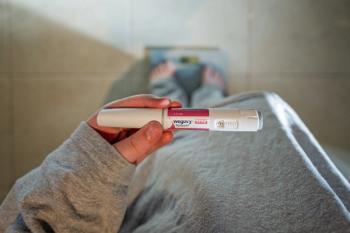
A post hoc analysis of ATTAIN-1 and ATTAIN-2 presented at ADA 2026 found orforglipron (Foundayo) significantly reduced body weight and waist circumference in women regardless of menopausal stage.

Real‑world study finds grade 1 CRS during CD20 bispecific therapy for follicular lymphoma is often safe at home, reducing hospital use.

The landscape of cardiovascular prevention is shifting from a focus on surrogate biomarkers to a more granular, image-based assessment of actual disease burden.

Craig Beavers, PharmD, discusses transthyretin amyloidosis cardiomyopathy (ATTR-CM) red flags, treatment evidence, and how pharmacists can drive earlier diagnosis and improve patient outcomes.

Data presented at the 2026 European Hematology Association Congress continue to support venetoclax plus obinutuzumab as a first-line treatment for patients with chronic lymphocytic leukemia.

The indication is for adjuvant treatment of adults with high-risk clear cell renal cell carcinoma (RCC) following nephrectomy, based on LITESPARK-022 showing a significant improvement in disease-free survival.

This week's episode covers the first-ever joint guidelines for cardiovascular-kidney-metabolic syndrome, key highlights from ASCO 2026 and ADA 2026, and new FDA approvals in diabetes, infectious diseases, and pain management.

Mayo Clinic tackles medication shortages with batching and fair overtime, keeping oncology acetaminophen available in a Pharmacy Times peer review.

MRD monitoring detects microscopic disease levels to guide treatment decisions, providing actionable insights for pharmacists.

New 2026 lipid guidelines push earlier screening, PREVENT risk scoring, and tougher LDL/ApoB targets with expanded nonstatin options.

A reflection from HOPA 2026 explores medical misinformation and how oncology pharmacists can strengthen trust and guide evidence-based patient care.

New data from the phase 3 DeLLphi-304 trial suggest tarlatamab significantly improves intracranial efficacy outcomes, CNS progression-free survival, and overall survival in patients with relapsed small cell lung cancer (SCLC) and baseline brain metastases.

Jessica Dunne, PhD, discusses why adult type 1 diabetes (T1D) is frequently misdiagnosed as T2D in patients with gestational diabetes mellitus (GDM) and how autoantibody testing could close the diagnostic gap.