

The FDA approval gives patients with multiple myeloma a second subcutaneous anti-CD38 option alongside daratumumab.

Ryu Kariywasam-Chavez graduated from Kean University in Union, New Jersey in May 2025 with a bachelor of arts in film/television and multimedia. Ryu joined Pharmacy Times as a content associate in April of 2026.
The FDA approval gives patients with multiple myeloma a second subcutaneous anti-CD38 option alongside daratumumab.

Pharmacy Times interviews Nicole McMullen, PharmD, regional clinical pharmacist at American Oncology Network, on patient and caregiver education, home monitoring, multidisciplinary coordination, and key lessons for community oncology practices implementing outpatient BiTE therapy.
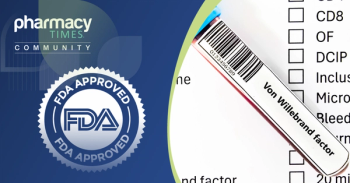
The FDA expanded Wilate's approval for routine prophylaxis to reduce bleeding episodes in children younger than 6 years with von Willebrand disease, supported by phase 3 WIL-33 data showing low annualized bleeding rates and favorable tolerability.

A study published in JAMA Network Open of opioid-naive patients with acute pain found that opioids were typically used in low doses and for short periods, but pain often lasted longer than expected, and leftover medication was common.

In an interview with Pharmacy Times, Deanna Horner, PharmD, BCPS, discusses how pharmacists can serve as patient advocates in GLP-1 care and how direct access models may simplify the patient journey while preserving clinical oversight.
Tanya J. Uritsky, PharmD, BCPP, FPPCP, FASHP, discusses multimodal analgesia, acute pain pathways, opioid-tolerant patients, suzetrigine, and pharmacist-led interventions across health systems with Pharmacy Times.

Pharmacy Times interviews Nicole McMullin, regional clinical pharmacist at American Oncology Network, about the oncology pharmacist’s role in outpatient BiTE therapy and the monitoring protocols for identifying and managing CRS and ICANS during step-up dosing.

In an interview with Pharmacy Times, Deanna Horner, PharmD, BCPS, discusses how data, automation, provider-led programs, and pharmacist support can help improve GLP-1 access, appropriate use, adherence, and patient persistence.
In an interview with Pharmacy Times, Matt Christian, director of Supply Chain Insights at USP, discussed the factors driving long-term shortages, the growing role of geographic concentration, and what pharmacists should understand about supply chain resilience.

Pharmacy Times interviews Nicole McMullin, regional clinical pharmacist at American Oncology Network, on how BiTE therapy is changing care for relapsed/refractory multiple myeloma and how AON developed an all-outpatient step-up dosing model.

Deanna Horner, PharmD, BCPS, discusses how payers, employers, and health plans can approach GLP-1 coverage by balancing patient access, affordability, clinical value, and long-term cost considerations.

The FDA expanded Casgevy’s indication to include children 2 years and older with sickle cell disease with recurrent VOCs or transfusion-dependent β-thalassemia, making it the first gene therapy approved for patients as young as 2 years with SCD.

Pharmacy Times interviews Tanya J. Uritsky, PharmD, BCPP, FPPCP, FASHP, on how health systems can evaluate suzetrigine for acute pain pathways while balancing evidence, access, formulary sustainability, and pharmacist-led stewardship.

The NIH’s expanded All of Us data set links genomic, clinical, environmental, and wearable data from a diverse population to advance precision medicine and pharmacogenomic research.

A systematic review of 23 randomized trials suggests melatonin may modestly reduce musculoskeletal pain and improve sleep, although pharmacists should emphasize uncertain dosing, supplement quality, and the need to use it only as an adjunct to individualized pain care.
Pharmacy Times interviews Tanya J. Uritsky, PharmD, BCPP, FPPCP, FASHP, on why effective opioid stewardship in acute pain care must extend beyond prescription reduction to include multimodal analgesia, patient-centered outcomes, and standardized health-system pathways.
Pharmacy Times interviews Tanya J. Uritsky, PharmD, BCPP, FPPCP, FASHP, on how multimodal, individualized care can improve acute pain management for opioid-tolerant patients and those receiving buprenorphine or methadone.

Findings from EPCORE DLBCL-4 show that fixed-duration epcoritamab plus lenalidomide significantly improved progression-free survival (PFS) vs R-GemOx in relapsed or refractory diffuse large B-cell lymphoma (DLBCL).
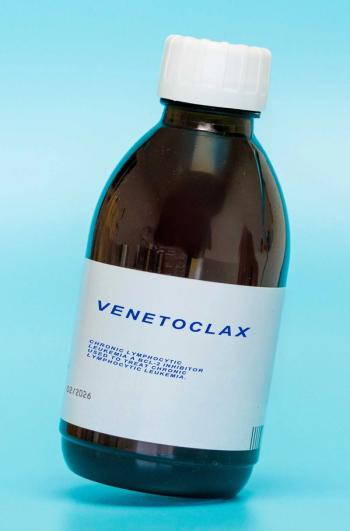
A combination regimen of azacitidine, venetoclax, and gilteritinib shows encouraging benefits in patients with newly diagnosed FLT3-mutated AML who were ineligible for intensive chemotherapy.

In an interview with Pharmacy Times, Caitlin Jones, PhD, discusses why high-risk, low-benefit treatments for chronic low back pain require greater scrutiny.
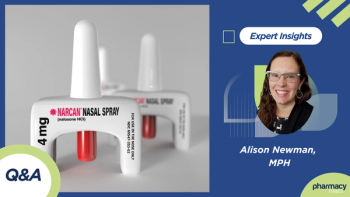
In an interview with Pharmacy Times, Alison Newman, MPH, program operations specialist with the Center for Community-Engaged Drug Education, Epidemiology & Research at the Addictions, Drug & Alcohol Institute at the University of Washington, discusses the significance of OTC naloxone availability and the barriers that remain despite the introduction of additional products.

The European Commission approved tolebrutinib as the first therapy targeting disability progression in adults with nonrelapsing secondary progressive multiple sclerosis (SPMS).
Pharmacy Times speaks with Caitlin Jones, PHD, on how evidence gaps, opioid dependence, and misaligned incentives can undermine pain care.

The FDA approved palbociclib-based maintenance therapy for HR-positive, HER2-positive advanced breast cancer following a significant progression-free survival benefit in PATINA.

Pharmacy Times interviews Alison Newman, MPH, Program Operations Specialist at CEDEER, about who should carry naloxone, common misconceptions surrounding overdose reversal and fentanyl-related overdoses, and the broader strategies needed to reduce overdose deaths.
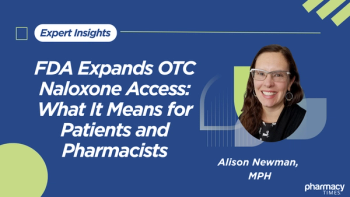
Pharmacy Times interviews Alison Newman, MPH, Program Operations Specialist at CEDEER, about the FDA's expansion of over-the-counter naloxone access, remaining barriers to availability, and the critical role pharmacists play in overdose prevention and patient education.

Pharmacy Times speaks with Caitlin Jones, PHD, on opioids, spinal cord stimulators, and treatment-related harms in chronic low back pain.
Single-cell findings presented at EHA 2026 identify B cells as potential drivers of immune dysregulation in acquired hemophilia A.

As multimodal analgesia and novel therapies such as suzetrigine expand treatment options, nonopioid approaches are playing an increasingly important role in acute pain management while helping reduce reliance on opioids.

Minimal residual disease (MRD) negativity exceeded 90% with 100% response and no progression in patients with treatment-naive chronic lymphocytic leukemia/small lymphocytic lymphoma (CLL/SLL).