In an interview with Pharmacy Times, City of Hope researchers discuss a preclinical platform designed to redirect CAR T cells after infusion and how pharmacists could help bring this adaptable approach into clinical practice.
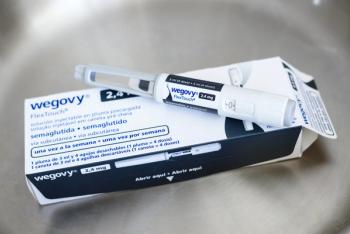
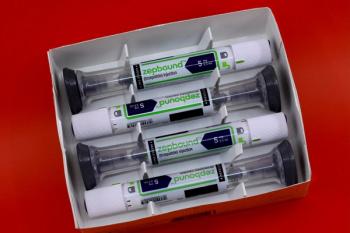
In an interview with Pharmacy Times, Deanna Horner, PharmD, BCPS, discusses how pharmacists can serve as patient advocates in GLP-1 care and how direct access models may simplify the patient journey while preserving clinical oversight.
In an interview with Pharmacy Times, Deanna Horner, PharmD, BCPS, executive vice president for enterprise direct strategy at EVERSANA, discussed the role pharmacists can play in helping patients navigate GLP-1 therapy, access, affordability, and long-term treatment success. Horner said pharmacists are well positioned to support patients because many of the challenges associated with glucagon-like peptide-1 (GLP-1) care align closely with pharmacists’ clinical training and patient-facing responsibilities.
Horner emphasized that pharmacists can be among a patient’s strongest advocates, particularly as GLP-1 coverage and affordability pathways become more complex. Because pharmacists are accessible to patients, she said they should remain current on the literature, treatment considerations, and available access programs that may help patients afford or obtain therapy. This includes understanding different company-sponsored programs, payer requirements, and evolving models that may affect how patients receive GLP-1 medications.
The discussion also addressed the growing role of direct-to-employer, direct-to-patient, and manufacturer-supported access models. Horner explained that these models are designed to simplify the patient journey by identifying patients in the community, connecting them with health care providers, helping them understand treatment options, supporting access and affordability, and helping them remain on therapy successfully.
As these models become more common, Horner said the industry will need to ensure that they remain patient-centered while preserving continuity of care, clinical oversight, transparency, and equitable access. She noted that advances in technology may allow care models to better meet patients where they are and where they prefer to receive support, while maintaining connections with providers and pharmacies.
Overall, Horner highlighted the importance of designing future access models that are flexible, forward-looking, and able to adapt when something is not working. Pharmacists, she suggested, will remain central to helping patients understand therapy, navigate access barriers, and stay engaged in care.
Stay informed on drug updates, treatment guidelines, and pharmacy practice trends—subscribe to Pharmacy Times for weekly clinical insights.
Subscribe