In an interview with Pharmacy Times, City of Hope researchers discuss a preclinical platform designed to redirect CAR T cells after infusion and how pharmacists could help bring this adaptable approach into clinical practice.
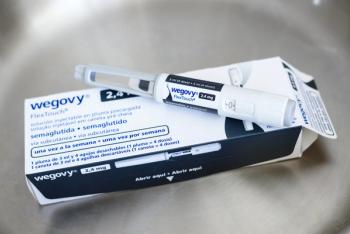
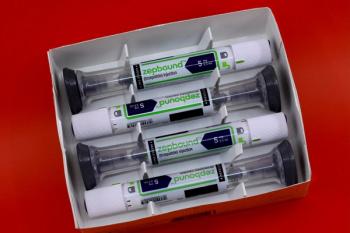
In an interview with Pharmacy Times, Deanna Horner, PharmD, BCPS, discusses how data, automation, provider-led programs, and pharmacist support can help improve GLP-1 access, appropriate use, adherence, and patient persistence.
In an interview with Pharmacy Times, Deanna Horner, PharmD, BCPS, executive vice president of enterprise direct strategy at EVERSANA, discussed how benefit designs can better support appropriate glucagon-like peptide-1 (GLP-1) use while reducing unnecessary administrative barriers for patients. Horner said data and automation are 2 major tools that payers and vendors can use to determine appropriate therapy without relying solely on traditional processes such as prior authorization.
According to Horner, benefit designs should use available patient data to understand what is already known about an individual’s clinical profile, allowing plans to make smarter decisions about access. She noted that prior authorization and other manual processes can delay treatment and may not always be the most efficient way to identify patients likely to benefit. In addition, Horner highlighted the role of behavioral health and weight management programs, which can connect patients with providers earlier in the process and help determine whether GLP-1 therapy is clinically appropriate.
Horner also emphasized that GLP-1 treatment requires more than just access to the medication. She explained that these therapies are most effective when combined with nutrition support, behavioral interventions, and ongoing patient education. Pharmacists, she said, can play a central role in helping patients understand why they are taking the medication, how to use it properly, and what to expect throughout treatment.
Because adherence and persistence with GLP-1 therapy remain major challenges, Horner said pharmacists have an opportunity to provide practical counseling at multiple points in the treatment journey. This includes setting expectations that GLP-1 therapies may be chronic medications, helping patients manage adverse effects such as nausea and vomiting, and recommending nonpharmacologic strategies to improve tolerability. By supporting patients beyond the prescription itself, pharmacists can help improve persistence and overall treatment success.
Stay informed on drug updates, treatment guidelines, and pharmacy practice trends—subscribe to Pharmacy Times for weekly clinical insights.
Subscribe