

Fixed-duration pirtobrutinib plus venetoclax-rituximab reduced the risk of progression or death by 45% and achieved higher undetectable MRD rates than venetoclax-rituximab alone.

Ryu Kariywasam-Chavez graduated from Kean University in Union, New Jersey in May 2025 with a bachelor of arts in film/television and multimedia. Ryu joined Pharmacy Times as a content associate in April of 2026.
Fixed-duration pirtobrutinib plus venetoclax-rituximab reduced the risk of progression or death by 45% and achieved higher undetectable MRD rates than venetoclax-rituximab alone.

Data showed that talquetamab combined with daratumumab, with or without pomalidomide, significantly improved PFS, OS, response rates, and MRD negativity.
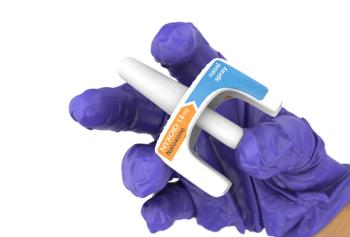
The FDA approved Rextovy, a 4-mg OTC naloxone nasal spray, expanding public access to a lifesaving opioid overdose reversal medication and increasing the availability of nonprescription treatment options.

Although overall drug shortages declined in 2025, USP findings suggest that long-standing supply chain vulnerabilities continue to fuel persistent shortages across multiple therapeutic areas.

Data presented at EHA 2026 showed that epcoritamab significantly improved progression-free survival and complete response rates compared with standard chemoimmunotherapy in patients with relapsed or refractory (RR) large B-cell lymphoma (LBCL).
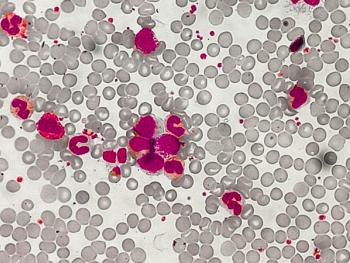
Long-term data show that frontline zanubrutinib significantly improved second progression-free survival (PFS2) and preserved the effectiveness of subsequent BCL2 inhibitor–based therapies compared with bendamustine-rituximab in treatment-naive CLL/SLL.

The indication is for adults with PTEN-deficient metastatic androgen pathway modulation-naïve or modulation-sensitive prostate cancer.
The indication is for adjuvant treatment of adults with high-risk clear cell renal cell carcinoma (RCC) following nephrectomy, based on LITESPARK-022 showing a significant improvement in disease-free survival.
Pharmacy Times speaks with Matt Christian, the Director of Supply Chain Insights at US Pharmacopeia (USP), about the factors driving persistent drug shortages, emerging supply chain vulnerabilities, and what pharmacists should know moving forward.
Pharmacy Times interviews Tracey Taveira, Pharm.D., CDOE, CVDOE, on the key challenges she discovered in optimizing cardio-renal risk in diabetes that she presented in ADA 2026.

Time to next treatment (TTNT) is an emerging real-world end point in CAR T-cell therapy that reflects treatment durability, clinical outcomes, and health care system factors beyond traditional efficacy measures.
Pharmacy Times interviews Tracey Taveira, Pharm.D., CDOE, CVDOE, to discuss pharmacist impact, VA system insights and practical lessons in cardio-renal diabetes care that she discussed in her presentation at ADA 2026.
Pharmacy Times speaks with Joyce Lee, PharmD, APh, FCCP, BCPS, BCACP, CDCES, to breakdown the diabetes education gap that clinicians can't afford to ignore.

Infection following CAR T-cell therapy is a common and clinically significant complication driven by prolonged immune dysregulation, cytopenias, and hypogammaglobulinemia, requiring phase-based risk awareness and proactive preventive management across the treatment continuum.

Cannabinoids may offer modest, condition-specific analgesic benefits as adjunctive therapy in select chronic pain populations, but current evidence supports a limited role due to inconsistent efficacy, heterogeneity in studies, and safety and pharmacologic concerns.

Vertanical's investigational cannabis-derived therapy VER-01 received FDA breakthrough therapy designation after positive phase 3 data demonstrated significant pain reduction and improved tolerability in patients with chronic low back pain.
Pharmacy Times speaks with Sanjay R. Patel, MD, about the clinical significance of the phase 3 AD109 data and the evolving role of pharmacologic therapy in obstructive sleep apnea.

Targeted diabetes education improved pharmacists' confidence and competence in addressing clinical inertia, with survey data identifying leading causes of delayed treatment intensification in type 2 diabetes.

A pharmacist-led refill authorization program in endocrinology eliminated 3750 refill requests from provider in-baskets in 2025.
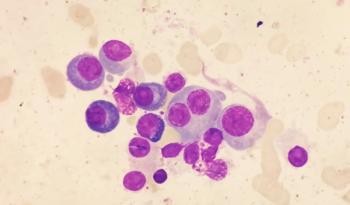
Elranatamab monotherapy produced a 92% overall response rate and a 45% complete response rate in patients with high-risk smoldering multiple myeloma, supporting the potential of BCMA-directed bispecific antibody therapy as an early intervention strategy before progression to active disease.

Cross-trial data from more than 6000 administrations show that a subcutaneous isatuximab on-body injector was highly reliable and well tolerated.

IDEAL trial data show iberdomide quadruplet therapy drives high response rates and rising MRD negativity in newly diagnosed multiple myeloma.

Phase 3 MajesTEC-9 data show that teclistamab monotherapy significantly improved PFS, OS, and depth of response compared with standard PVd or Kd regimens.

Apnimed has submitted an NDA for AD109 for obstructive sleep apnea following positive phase 3 results from the SynAIRgy and LunAIRo trials.

A real-world study presented at ASCO 2026 found that early intravenous immunoglobulin administration within 4 weeks of starting talquetamab was associated with significantly lower infection rates and reduced 1-year mortality in patients with relapsed or refractory multiple myeloma.

Updated results from a phase 1 study showed that KLN-1010 produced reduced MRD-negative responses in all treated patients with RRMM.

Pharmacy Times interviews Allison Burns, PharmD, RPh, the CEO of End Mass Overdose (EMO) Health to discuss how medication stigma and bias can impact patient recovery.

Final results from the CEPHEUS trial showed that daratumumab plus VRd produced deeper, more durable responses and prolonged survival.

Pharmacy Times interviews Allison Burns, PharmD, RPh, the CEO of End Mass Overdose (EMO) Health to discuss why patients struggle to access mental health and addiction treatment medications.

Pharmacy Times interviews Allison Burns, PharmD, RPh, the CEO of End Mass Overdose (EMO) Health to discuss how stigma from health care providers or frontline staff impacts patient willingness to seek or continue treatment.