

Conference Coverage
Latest News

Jun 15, 2026 | Publication
Specialty Pharmacy Technicians in Oncology Transitions of Care: An Untapped Workforce Resource
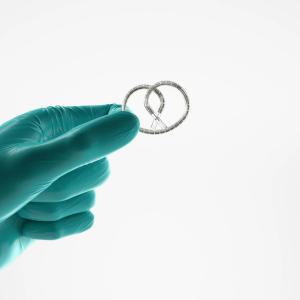
Gemcitabine Intravesical System: A Novel Treatment Option for BCG-Unresponsive Non–Muscle-Invasive Bladder Cancer
Jun 15, 2026

The Expanding Power of Probiotics and Prebiotics in Overall Health
Jun 15, 2026
FDA Approves Capivasertib Plus Abiraterone and Prednisone for Prostate Cancer
Jun 15, 2026

OTC Guide: Thirty Years Strong
Jun 15, 2026

Advertisement
Shorts

1:58
Expert Cardiologists Give Advice to Pharmacists to Improve Care Tomorrow
3 days ago
by
Luke Halpern, Associate Editor(+3 more)
0:55
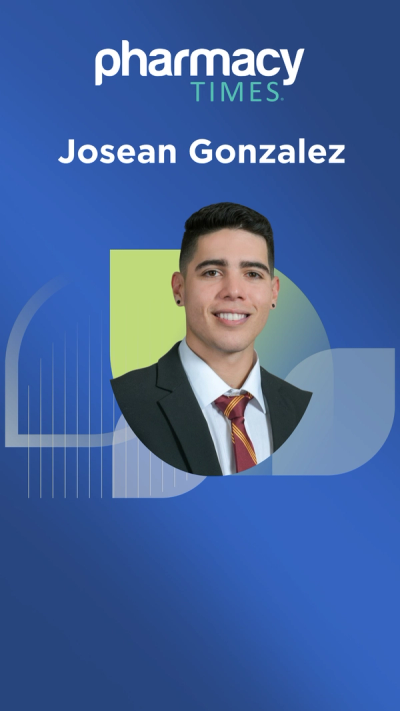
Anti-Amyloid Therapies Create Hope and Complexities in Alzheimer Disease Treatment
6 days ago
by
Josean Gonzalez, PharmD, BCPP(+1 more)
0:33
ePROs Help Reduce Hospitalizations and Improve Cancer Care
11 days ago
by
Debra Patt, MD, PhD, MBA(+1 more)
1:03
Why Real-World Data Is Critical to Understanding GLP-1s and Cancer Outcomes at ASCO 2026
12 days ago
by
Jessica Paulus, ScD(+1 more)
0:39
APP-Led Scheduling Model Cuts Time to First Oncology Visit by Nearly 50%
13 days ago
by
Eileen Vella, MS, PA-C(+1 more)
0:22
SARC041 and the Future of Dedifferentiated Liposarcoma Treatment
15 days ago
1:07
Mary-Ellen Taplin, MD, and the Phase 3 PROTEUS Trial
15 days ago
0:38
Tackling Polypharmacy and Access Barriers After a Stroke
16 days ago
by
Aislinn Antrim, Associate Editorial Director(+1 more)
0:57
Pharmacists as a Constant in Stroke Recovery
17 days ago
by
Aislinn Antrim, Associate Editorial Director(+1 more)
0:53
Bridging the Gap After Hospital Discharge
18 days ago
by
Aislinn Antrim, Associate Editorial Director(+1 more)
Podcasts

Videos


Continuing Education







Advertisement
All News
Advertisement

Real‑world study finds grade 1 CRS during CD20 bispecific therapy for follicular lymphoma is often safe at home, reducing hospital use.
The landscape of cardiovascular prevention is shifting from a focus on surrogate biomarkers to a more granular, image-based assessment of actual disease burden.
Data presented at EHA 2026 continue to support venetoclax plus obinutuzumab as a first-line treatment for patients with chronic lymphocytic leukemia (CLL).
The indication is for adjuvant treatment of adults with high-risk clear cell renal cell carcinoma (RCC) following nephrectomy, based on LITESPARK-022 showing a significant improvement in disease-free survival.

Student pharmacists boost dermatology literacy in underserved communities, improving sunscreen habits, skin cancer warning recognition, and practical skin health self-care.

Landmark data from three major trials published simultaneously suggest finerenone may protect kidney function and reduce cardiovascular risk across a far broader CKD population than current guidelines recognize.

Mayo Clinic tackles medication shortages with batching and fair overtime, keeping oncology acetaminophen available in a Pharmacy Times peer review.
MRD monitoring detects microscopic disease levels to guide treatment decisions, providing actionable insights for pharmacists.
New 2026 lipid guidelines push earlier screening, PREVENT risk scoring, and tougher LDL/ApoB targets with expanded nonstatin options.

A reflection from HOPA 2026 explores medical misinformation and how oncology pharmacists can strengthen trust and guide evidence-based patient care.
Advertisement
frontMIND phase 3 trial data show tafasitamab plus lenalidomide with R-CHOP boosts PFS and has manageable safety in high-risk newly diagnosed DLBCL.

Skin Cancer Awareness Month in May spotlights oncology pharmacists driving prevention, innovative care, and supply-chain resilience built on patient trust.

Although polypharmacy is common in older adults and may increase the risk of adverse events and drug-drug interactions, statin therapy may continue to provide benefit in patients older than 75 years.

Time to next treatment (TTNT) is an emerging real-world end point in CAR T-cell therapy that reflects treatment durability, clinical outcomes, and health care system factors beyond traditional efficacy measures.
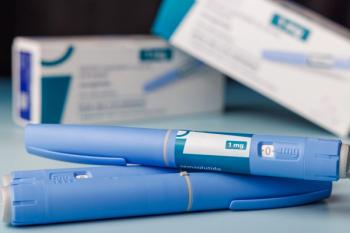
The misinformation is rampant, the adverse effect expectations are wildly off, and the patient psychology is complex.

Temperature differences between exhaled air and ambient environments significantly affect how respiratory aerosols disperse.

Chai Discovery’s collaboration with Eli Lilly highlights the growing role of AI in biologics discovery, leveraging generative AI models to accelerate design and optimization of novel therapeutic proteins and antibodies.

Although evidence supports safety of apixaban and rivaroxaban relative to warfarin, researchers have not directly compared their bleeding risk until last year.

A simple formula reveals why time—not income—is the most powerful wealth-building tool available to pharmacists.
Gonzelez describes advances in Alzheimer disease diagnostics and disease-modifying therapies and highlights the critical role pharmacists play in medication management, caregiver education, and improving treatment access.
Giants of MS is one of the field’s most prestigious honors, awarded at the 2026 Consortium for MS Centers (CMSC) 2026 Annual Meeting.

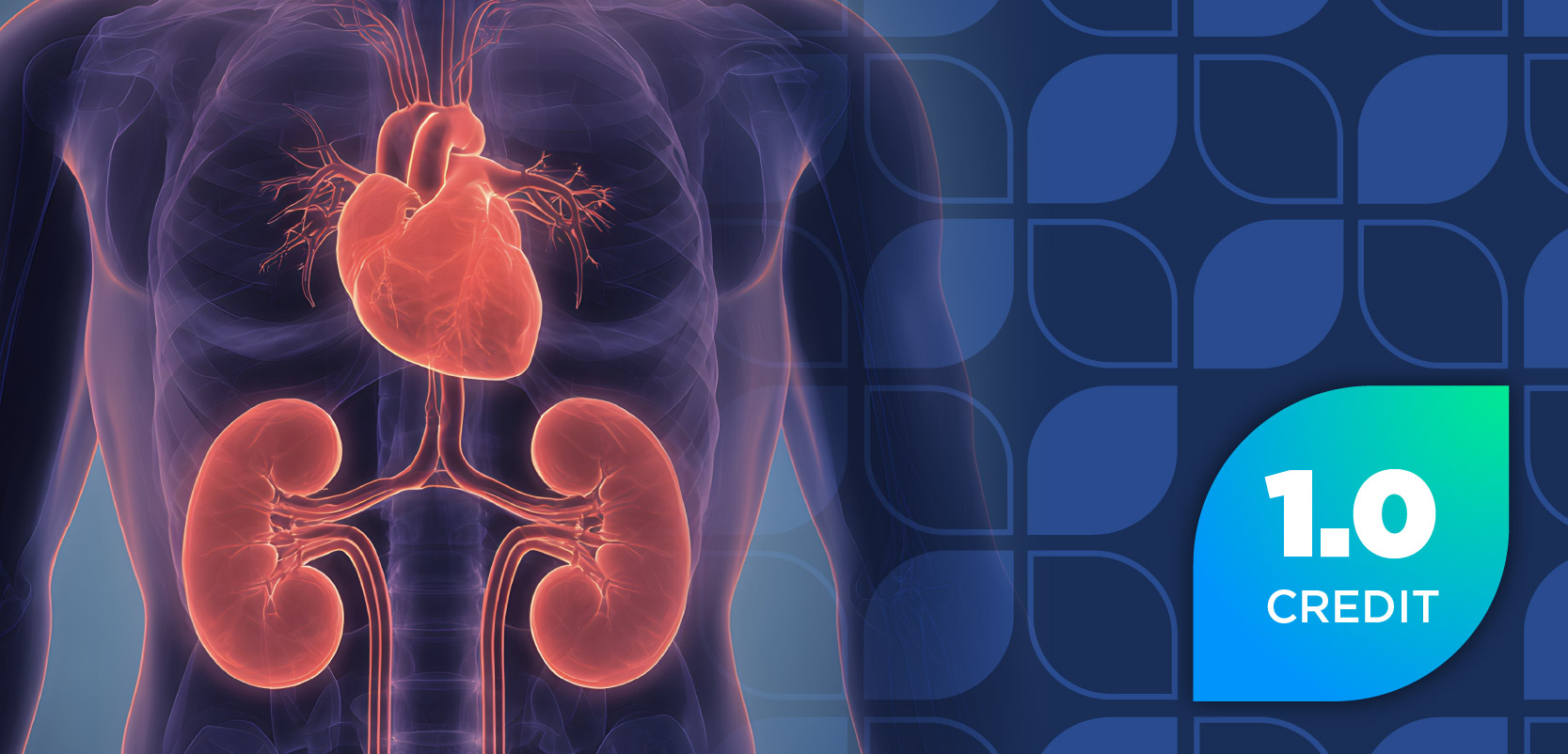
First-Ever Guideline on Cardio-Kidney-Metabolic Syndrome Calls for Earlier Screening, Coordinated Care
Published: | Updated:
A landmark joint guideline on cardiovascular-kidney-metabolic syndrome offers clinicians a comprehensive, stage-based road map for screening, prevention, and treatment of an increasingly prevalent interconnected condition.
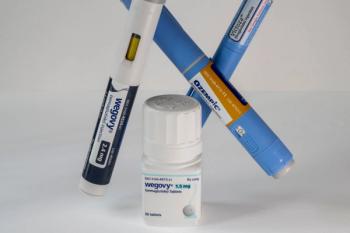
High-dose oral semaglutide pills boost A1C control and double-digit weight loss in diabetes and obesity trials, offering injectable-level results with daily convenience.
Advertisement
Advertisement
Trending on Pharmacy Times
1
NK3 as a Drug Target: From Scientific Discovery to Guideline-Recognized Therapy
2
Sonrotoclax Plus Zanubrutinib Produces Deep MRD Responses in Treatment-Naive CLL
3
Orforglipron Reduces Body Weight Up to 14% in Women at Every Stage of Menopause
4
New Evidence Positions Finerenone as Foundational Therapy Across the CKD Spectrum
5