

Opinion|Videos|June 30, 2026
Early Recognition and Routine Discussion: Improving Outcomes in Tardive Dyskinesia
The panelists examined how early recognition of TD allows providers to optimize antipsychotic therapy and minimize or eliminate anticholinergic medications before patients progress to higher-burden treatment options such as clozapine.
Advertisement
Episodes in this series
In this episode, 'Early Recognition and Routine Discussion: Improving Outcomes in Tardive Dyskinesia,' the expert psychiatry pharmacists explored the following questions:
How can early recognition of tardive dyskinesia (TD) in patients influence long-term mental health outcomes?
What approaches encourage routine discussion of TD in virtual or in-person visits?
The panelists examined how early recognition of TD allows providers to optimize antipsychotic therapy and minimize or eliminate anticholinergic medications before patients progress to higher-burden treatment options such as clozapine. Jamie Kneebusch and Farah Khorassani discussed the importance of catching emerging movement disorders early to help patients remain stable on effective therapy, noting that patients with mood disorders may be more susceptible to TD and more likely to notice its symptoms than patients with schizophrenia, which can influence treatment decisions. The panelists then explored practical approaches for encouraging routine TD discussion during patient visits, including upfront counseling at the time of antipsychotic initiation, formal Abnormal Involuntary Movement Scale (AIMS) assessments, informal observation during clinical encounters, and consistent monitoring supported by electronic health record (EHR) alerts.
Throughout the conversation, the experts provided a comprehensive reflection on the field and the factors that may shape how clinicians approach care moving forward.
Our next episode, 'Beyond the Movement: TD's Impact on the Patient Journey and Gaps in Clinical Discussion,' further explores tardive dyskinesia, highlighting how connecting TD symptom management to the patient's broader journey can improve provider engagement, as well as the clinical settings most prone to under-discussion of mild-to-moderate TD movements.
Advertisement
Related to this article

A pharmacist-led collaborative drug therapy management program at NYC Health + Hospitals/Bellevue reported high patient satisfaction, and every surveyed patient said they felt respected and supported by their pharmacist.
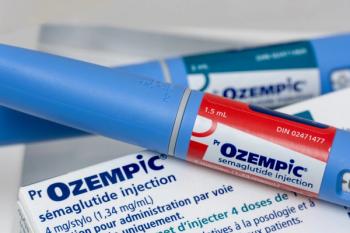
A Novo Nordisk-funded claims analysis of adults with type 2 diabetes found an adjusted HR of 1.06 for MACE with switching, though the findings cannot show causation.

Invasive pneumococcal disease may be the first sign of undiagnosed blood cancers and antibody deficiencies in adults, a new study finds.

A retrospective study from Japan found that oncology pharmacist assessment before medical examination was associated with higher rates of complete adverse event resolution in outpatient chemotherapy.
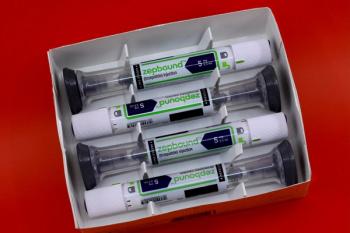
A new analysis finds a significant weight loss edge for tirzepatide under one estimand but not another; no head-to-head trial exists at these doses.
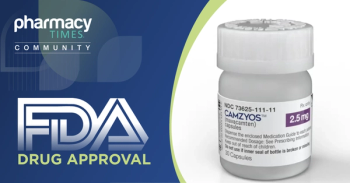
In SCOUT-HCM, mavacamten reduced the Valsalva LVOT gradient by 48 mm Hg versus placebo in adolescents. REMS, echo monitoring, and CYP interactions still apply in the new population.

September’s pain management coverage examined postoperative nonopioid options, lessons from sickle cell pain research, and pharmacists’ experiences with controlled-substance prescribing.
September’s hematology coverage examined a new definition of myeloma cure, patient preferences for treatment delivery, and emerging strategies for deepening responses.
Advertisement
Advertisement
Trending on Pharmacy Times
1
Tirzepatide Linked to More Weight Loss Than Semaglutide 7.2 mg
2
September 2026 in Pain Management: 4 Updates on Treatment and Pharmacy Practice
3
Pharmacists Can Close CKD Medication Adherence Gaps, PHTI Says
4
Pharmacist, Advocate, Ally: Delivering Comprehensive Gender-Affirming Care
5