

Opinion|Videos|July 7, 2026
Beyond the Movement: TD's Impact on the Patient Journey and Gaps in Clinical Discussion
Fact checked by: Ron Panarotti
Tardive dyskinesia disrupts adherence, caregivers, and costs—learn why inpatient and telehealth visits often miss mild symptoms and what to do.
Advertisement
Episodes in this series
This episode, titled “Beyond the Movement: TD's Impact on the Patient Journey and Gaps in Clinical Discussion,” featured panelists discussing the following critical questions:
How can connecting tardive dyskinesia (TD) symptom management to the patient's broader journey improve provider engagement?
Which clinical settings are most prone to underdiscussion of mild-to-moderate TD movements, and why?
Led by the moderator, the expert psychiatry pharmacists examined how TD extends far beyond a movement disorder, citing research showing that patients living with TD are more likely to discontinue their antipsychotic medication, encourage others to do the same, experience longer hospitalizations, and incur significantly higher health care costs. Melissa Cloyd, PharmD, BCPS, BCPP, BCGP, DPLA, and Jamie Kneebusch, PharmD, BCPS, BCPP, discussed the psychosocial and physical sequelae of TD, including social withdrawal, secondary medical complications such as oral or foot wounds, and caregiver burden, including missed work and reduced productivity. The panelists then identified acute inpatient psychiatric settings and long-term state facilities as the clinical environments most prone to underdiscussion of mild-to-moderate TD, explaining that the primary focus in these settings on patient stabilization and safety, combined with patients' frequent lack of self-awareness regarding their symptoms, often pushes TD discussion to the background, with telehealth visits identified as an additional setting where movements may go unnoticed.
Throughout the conversation, the experts provided a comprehensive reflection on the field and the factors that may shape how clinicians approach care moving forward.
In the next episode, “From Observation to Treatment: The Role of Caregivers and Overcoming VMAT2 Inhibitor Complexities,” panelists continue their discussion on tardive dyskinesia and highlight the valuable role caregivers can play in identifying early TD movements that may be missed during office visits, as well as practical strategies for overcoming perceived complexities in initiating vesicular monoamine transporter 2 (VMAT2) inhibitor therapy.
Newsletter
Stay informed on drug updates, treatment guidelines, and pharmacy practice trends—subscribe to Pharmacy Times for weekly clinical insights.
SubscribeAdvertisement
Related to this article

The gap is not a paperwork inconvenience—it is a cash flow problem with clinical consequences.
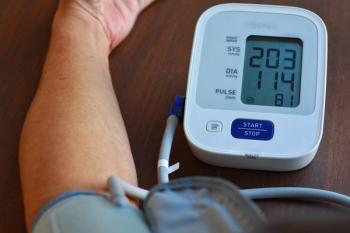
A meta-analysis of 27 trials found 15% lower cardiovascular (CV) event risk per 10-mm Hg SBP reduction, with eGFR declines but no rise in kidney failure.

In an interview with Pharmacy Times, City of Hope researchers discuss a preclinical platform designed to redirect CAR T cells after infusion and how pharmacists could help bring this adaptable approach into clinical practice.

Pharmacists can explain the evidence supporting the intramuscular injection, address specific concerns, and help families understand what is known—and what is not known—about oral vitamin K.

As earning years peak, so do spending and responsibility—here’s where midcareer pharmacists should focus their financial decision-making.

In the phase 2 ZUPREME 1 trial, the once-weekly amylin analog was well tolerated, with nausea mostly mild and limited to dose escalation.
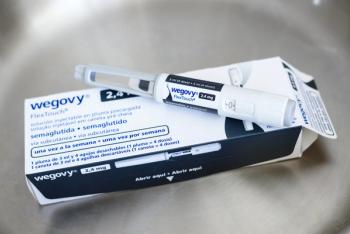
Post hoc STEP UP data at EASD 2026 show liver fat fell from 8.8% to 3.1% at 72 weeks in a 55-person MRI subgroup, though no placebo comparison was reported.

Despite the controversy surrounding mRNA's role in the COVID-19 response, the technology's broader promise—to prevent, treat, and even cure a host of diseases—is coming into focus.
Advertisement
Advertisement