

Opinion|Videos|July 10, 2026
Navigating Coverage and Cost: What Pharmacists Need to Know About Access to Nonhormonal VMS Therapies
Fact checked by: Ron Panarotti
Learn how pharmacists secure access to new therapies with co-pay cards, BlinkRx pricing, and prior authorization tips that cut delays.
Advertisement
In “Navigating Coverage and Cost: What Pharmacists Need to Know About Access to Non-Hormonal VMS Therapies,” our panel of experts delves into the following question:
- What are you seeing in terms of insurance coverage for nonhormonal vasomotor symptom (VMS) therapies? Are there any barriers that you are seeing to coverage approval?
Led by the moderator, the panelists examined the current insurance coverage landscape for fezolinetant and elinzanetant, noting that coverage success has been reasonably favorable thus far, with manufacturers actively working to ensure affordability through co-pay cards, bridge programs, and patient assistance programs, which allow prescriptions to be sent directly through the platform at a flat rate. The discussion highlighted that prior authorization remains one of the most significant real-world barriers to timely access, with patients potentially facing treatment delays while approvals are processed, underscoring the important role pharmacists play in proactively managing prior authorization submissions, troubleshooting denials in real time, and connecting patients with manufacturer resources before they leave the pharmacy without their medication. The panelists also emphasized that the coverage and access landscape for these newer agents is evolving rapidly, making it essential for pharmacists to stay current on available programs and resources so they can serve as effective navigators for patients who encounter affordability or coverage challenges at the point of dispensing.
Throughout the conversation, the experts provide a comprehensive reflection on the field and the factors that may shape how clinicians approach care moving forward.
Our next and final episode, “Menopause is Everyone's Business: Final Reflections on VMS Treatment and Pharmacist Empowerment,” further explores VMS and menopause, highlighting the panelists' closing thoughts on the evolving nonhormonal treatment landscape, the critical role pharmacists are positioned to play in closing the menopause care gap, and a call to action for pharmacists at every stage of their career to get curious, get educated, and get involved.
Newsletter
Stay informed on drug updates, treatment guidelines, and pharmacy practice trends—subscribe to Pharmacy Times for weekly clinical insights.
SubscribeAdvertisement
Related to this article

As accessible health care providers, pharmacists can raise awareness about the proper use of OTC blood glucose meters and continuous glucose monitoring devices.

The first AHA endocarditis update in 11 years expands outpatient options, with a bigger role for pharmacists.

Growing evidence points to gallstones and cholecystitis as an underrecognized risk of GLP-1 RA therapy—pharmacists are well positioned to catch it early.

Investigational inhaled stem cells for COPD raise questions about lasting clinical benefit and the pharmacy controls needed to deliver a living-cell product through a nebulizer.

A suspected plague death in Russia has renewed attention on the rare infection. Here's how to spot pneumonic plague, and which antibiotics the CDC recommends.

In an interview with Pharmacy Times, Abdulkader Rahmo, PhD, discusses investigational inhaled cell therapy for COPD, the evidence needed to establish lasting clinical benefit, and pharmacists’ potential role in its delivery.

The gap is not a paperwork inconvenience—it is a cash flow problem with clinical consequences.
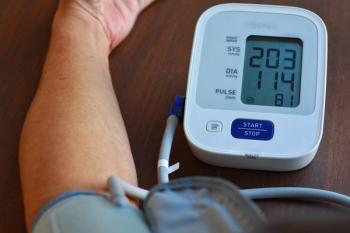
A meta-analysis of 27 trials found 15% lower cardiovascular (CV) event risk per 10-mm Hg SBP reduction, with eGFR declines but no rise in kidney failure.
Advertisement
Advertisement
Trending on Pharmacy Times
1
Rising Gallbladder Complications With GLP-1 Receptor Agonists Call for Closer Pharmacist Monitoring
2
The Value of Self-Monitoring Blood Glucose Tools in Preventing and Reducing Prediabetes and Diabetes-Related Complications
3
Using CKDintercept to Build Interdisciplinary Kidney Care
4
2026 AHA Endocarditis Guidelines Expand Outpatient Antibiotic Options
5