

Opinion|Videos|June 19, 2026
Two New Tools for VMS: A Clinical and Pharmacological Comparison of NK Receptor Antagonists
Fact checked by: Ron Panarotti
New NK3 receptor blockers target hypothalamic “KNDy” neurons, easing menopause vasomotor symptoms without hormones and gaining top guideline support.
Advertisement
In this episode, “Two New Tools for VMS: A Clinical and Pharmacological Comparison of NK Receptor Antagonists,” the panelists explore the following questions:
- What are the latest developments in the nonhormonal treatment landscape for vasomotor symptoms (VMS)? What are the key similarities and differences between their mechanism of action and prescribing information?
- How do the half-life data compare between elinzanetant and fezolinetant, and are these differences clinically meaningful?
The panelists examined the key mechanistic distinction between fezolinetant and elinzanetant, noting that whereas fezolinetant selectively targets the NK3 receptor, elinzanetant is a dual NK1 and NK3 receptor antagonist, a difference that has meaningful clinical implications, particularly for patients whose VMS is accompanied by significant sleep disturbance, given the emerging evidence linking NK1 receptor activity to sleep regulation. The discussion also explored important pharmacological differences between the 2 agents, including their distinct cytochrome metabolic pathways, their markedly different half-lives, and the practical implications of these differences for drug interactions, adverse effect duration, and dosing. The panelists further highlighted key clinical considerations to guide treatment selection and patient counseling, including the need for more intensive liver function monitoring with fezolinetant, the transient but potentially significant daytime somnolence associated with elinzanetant initiation, and the practical challenge posed by elinzanetant's large capsule size, particularly for older patients or those with swallowing difficulties.
Throughout the conversation, the experts provide a comprehensive reflection on the field and the factors that may shape how clinicians approach care moving forward.
The next episode in this series, “From Trial to Practice: Key Findings from the SKYLIGHT and OASIS Studies,” features the panelists advancing their conversation on VMS and menopause and focusing on the primary and secondary end points of the SKYLIGHT and OASIS clinical trials, how quickly patients experienced symptom improvement in each study, and what the trial data revealed about sleep disturbance outcomes for fezolinetant and elinzanetant.
Advertisement
Related to this article

Researchers found substantial overlap in autonomic symptoms, orthostatic tachycardia, and functional impairment between long COVID and POTS.
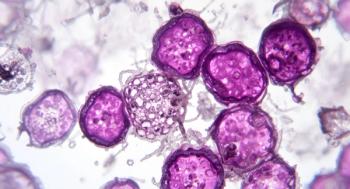
Phase 2 MILESTONE results suggest that postinduction minimal residual disease (MRD) negativity can identify a small subset of transplant-eligible patients with newly diagnosed multiple myeloma who may defer autologous stem cell transplantation.
A phase 3 trial shows etentamig boosts response and delays progression in triple-class exposed RRMM.

Fixed-duration KRd slowed progression in high-risk smoldering myeloma, but high rates of severe toxicity temper enthusiasm.

A review of 69 studies finds influenza vaccines continue to reduce hospitalization and death, with no new safety concerns.
IRAKLIA shows isatuximab OBI boosts comfort and satisfaction vs IV in multiple myeloma, enabling fast at-home dosing with strong completion.

Gut microbiome disruption from anti-anaerobic antibiotics weakens CAR T cell therapy, raising relapse and CRS/ICANS risk; stewardship and microbiome repair may improve cancer outcomes.
The all-oral combination is supported by phase 3 LITESPARK-011 data showing improved progression-free survival compared with cabozantinib.
Advertisement
Advertisement
Trending on Pharmacy Times
1
Nearly Two-Thirds of Patients With Long COVID Meet Diagnostic Criteria for POTS
2
After 180 Years, Multiple Myeloma Gets a Definition of Cure
3
FDA Approves Belzutifan Plus Lenvatinib for Advanced Renal Cell Carcinoma After Immunotherapy
4
FDA Approves Insulin Efsitora, Once-Weekly Basal Insulin Injection for Adults With T2D
5