

Opinion|Videos|July 3, 2026
The Pharmacist as a Menopause Ally: Expanding the Role Beyond the Prescription
Fact checked by: Ron Panarotti
Learn how pharmacists open symptom-first menopause talks, weigh hormonal vs nonhormonal options, and counter social media myths.
Advertisement
In “The Pharmacist as a Menopause Ally: Expanding the Role Beyond the Prescription,” our panel of experts delves into the following critical question:
- Besides monitoring for adverse events, what is the pharmacist’s role in the long-term management of patients with VMS (vasomotor symptoms)?
Led by the moderator, the panelists examined how pharmacists are uniquely positioned to serve as a first and often most accessible point of contact for women experiencing menopause symptoms, with approximately 90% of Americans living within 5 miles of a pharmacy, making the pharmacist's role in validating patient experiences, normalizing menopause conversations, and bridging patients to appropriate prescribers a critical and often underutilized asset in the broader care continuum. The discussion highlighted the problem of fragmented menopause care in the United States, where women experiencing symptoms like brain fog, heart palpitations, or mood changes are frequently cycled through multiple specialists before receiving an accurate diagnosis, and where pharmacists, by virtue of seeing all of a patient's prescriptions and being trained in self-care and OTC assessment, are ideally situated to connect the dots, identify when symptoms exceed the scope of self-care, and guide patients toward the right resources. The panelists also emphasized that the pharmacist's role extends beyond individual patient interactions to include proactive community education, relationship-building with local menopause-informed practitioners, attention to underreported symptoms such as genitourinary syndrome of menopause, and staying current on evolving guidelines and misinformation circulating on social media, collectively positioning pharmacists as essential collaborative partners in closing the menopause care gap.
Throughout the conversation, the experts provide a comprehensive reflection on the field and the factors that may shape how clinicians approach care moving forward.
Our next episode, “Better Together: Real-World Examples of Pharmacist-Provider Collaboration in VMS Management,” further explores vasomotor symptoms and menopause, highlighting what effective multidisciplinary collaboration looks like in practice, with real-world examples of how pharmacist-provider-patient partnerships have successfully improved outcomes for women managing VMS.
Advertisement
Related to this article
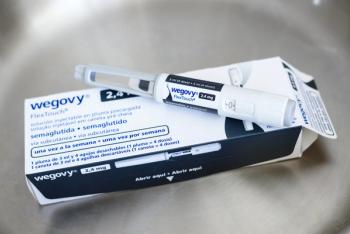
Post hoc STEP UP data at EASD 2026 show liver fat fell from 8.8% to 3.1% at 72 weeks in a 55-person MRI subgroup, though no placebo comparison was reported.
Despite the controversy surrounding mRNA's role in the COVID-19 response, the technology's broader promise—to prevent, treat, and even cure a host of diseases—is coming into focus.
Age is the leading factor in influenza vaccine selection, and vaccination remains effective well beyond the ideal September-to-October window.

As Pharmacy Technician Day approaches, the CEO of the Pharmacy Technician Certification Board argues that real recognition means career ladders, consistent scope regulations, and investment in certification.

William J. Peppard, PharmD, explains how emerging suzetrigine findings after knee arthroplasty connect opioid stewardship with functional recovery and the pharmacist’s role in ensuring treatment access.

Tor Härnqvist, MD, discusses immune testing after invasive pneumococcal disease, serotype-informed vaccine selection, and pharmacists' role in supporting patients on immunoglobulin therapy.

In adults with type 2 diabetes at high cardiovascular (CV) risk, the oral GLP-1 RA also improved HbA1C and weight, with less hypoglycemia but more GI events.
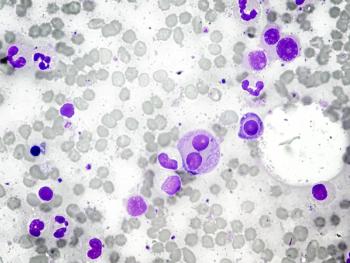
In an interview with Pharmacy Times, LINKER-SMM1 study investigator Paula Rodríguez-Otero, MD, PhD, a hematologist at Clínica Universidad de Navarra in Pamplona, Spain, explains how researchers selected high-risk patients and how she weighs infections against the potential to prevent progression to active disease.
Advertisement
Advertisement
Trending on Pharmacy Times
1
Butter, Beef Tallow, and LDL: Where Dietary Guidelines Diverge
2
Why Patients Fear Statins Will Affect Their Memory
3
Suzetrigine After Knee Replacement: Are Fewer Opioid Prescriptions Enough?
4
Orforglipron Shows CV Safety vs Insulin Glargine in ACHIEVE-4
5