

Opinion|Videos|July 3, 2026
Better Together: Real-World Examples of Pharmacist-Provider Collaboration in VMS Management
Fact checked by: Ron Panarotti
See how a team-based menopause clinic pairs pharmacists, gynecologists, and pelvic floor therapy to streamline care, screening, and symptom relief.
Advertisement
In this episode, “Better Together: Real-World Examples of Pharmacist-Provider Collaboration in VMS Management,” the experts explore the following questions:
- What does effective multidisciplinary collaboration look like when it comes to vasomotor symptom (VMS) management?
- Would anyone like to share examples of pharmacist-provider-patient collaborations around VMS that worked particularly well?
The panelists examined what truly integrated, multidisciplinary menopause care looks like in practice, with a detailed example of a collaborative gynecology clinic model that brought together a gynecologist, nurse practitioner, mammogram coordinator, pelvic floor physical therapist, and pharmacist under one roof, enabling the pharmacist to conduct comprehensive intake assessments, manage cardiovascular risk reduction and osteoporosis counseling, coordinate preventive care, and contribute to shared medical visits, while freeing the physician to focus on more complex cases. The discussion also explored how pharmacists working outside of ideal integrated settings can still build meaningful collaborative practices by training primary care pharmacy colleagues to screen for menopausal symptoms during routine visits for conditions like diabetes and hypertension, developing referral networks with local menopause-informed practitioners, and leveraging collaborative practice agreements and expanded scope of practice where state law permits. The panelists emphasized that regardless of practice setting, relationship-building with nearby prescribers, interdisciplinary colleagues, and patients themselves is the foundation of effective menopause care collaboration, and that pharmacists who proactively position themselves as knowledgeable partners in this space can meaningfully improve access and outcomes for women who might otherwise fall through the cracks of a fragmented health care system.
Throughout the conversation, the experts provide a comprehensive reflection on the field and the factors that may shape how clinicians approach care moving forward.
The next episode in this series, “The Proactive Pharmacist: Building Menopause Knowledge and Closing Care Gaps in the Community,” features the panelists advancing their conversation on vasomotor symptoms and menopause and focusing on practical strategies community pharmacists can use to build their menopause expertise, the resources and training pathways available to get started, and the specific gaps in menopause care that pharmacists are uniquely positioned to close.
Advertisement
Related to this article
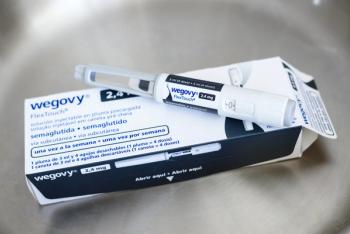
Post hoc STEP UP data at EASD 2026 show liver fat fell from 8.8% to 3.1% at 72 weeks in a 55-person MRI subgroup, though no placebo comparison was reported.
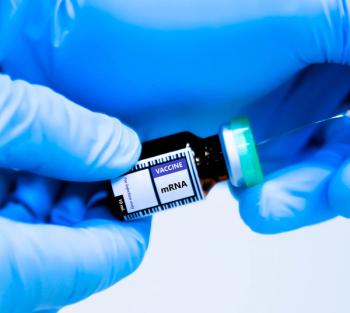
Despite the controversy surrounding mRNA's role in the COVID-19 response, the technology's broader promise—to prevent, treat, and even cure a host of diseases—is coming into focus.

Age is the leading factor in influenza vaccine selection, and vaccination remains effective well beyond the ideal September-to-October window.

As Pharmacy Technician Day approaches, the CEO of the Pharmacy Technician Certification Board argues that real recognition means career ladders, consistent scope regulations, and investment in certification.

William J. Peppard, PharmD, explains how emerging suzetrigine findings after knee arthroplasty connect opioid stewardship with functional recovery and the pharmacist’s role in ensuring treatment access.

Tor Härnqvist, MD, discusses immune testing after invasive pneumococcal disease, serotype-informed vaccine selection, and pharmacists' role in supporting patients on immunoglobulin therapy.

In adults with type 2 diabetes at high cardiovascular (CV) risk, the oral GLP-1 RA also improved HbA1C and weight, with less hypoglycemia but more GI events.
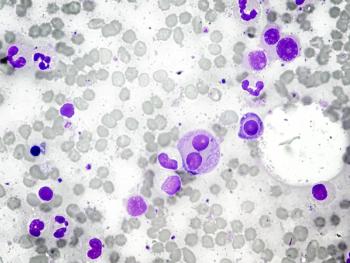
In an interview with Pharmacy Times, LINKER-SMM1 study investigator Paula Rodríguez-Otero, MD, PhD, a hematologist at Clínica Universidad de Navarra in Pamplona, Spain, explains how researchers selected high-risk patients and how she weighs infections against the potential to prevent progression to active disease.
Advertisement
Advertisement
Trending on Pharmacy Times
1
Butter, Beef Tallow, and LDL: Where Dietary Guidelines Diverge
2
Why Patients Fear Statins Will Affect Their Memory
3
Suzetrigine After Knee Replacement: Are Fewer Opioid Prescriptions Enough?
4
Orforglipron Shows CV Safety vs Insulin Glargine in ACHIEVE-4
5