
Dordaviprone is an antagonist of DRD2/3 and an agonist of the mitochondrial protease caseinolytic mitochondrial matrix peptidase proteolytic subunit.
Publication|Articles|February 19, 2026
Pharmacy Practice in Focus: Oncology
- February 2026
Dordaviprone: Safety, Efficacy, and Implications for Pharmacy Practice
Author(s)Iris He, PharmD, Madeleine King, PharmD, BCOP
Fact checked by: Ron Panarotti

Listen
0:00 / 0:00
Key Takeaways
- An integrated analysis of 5 programs enrolled 50 prespecified patients; the RANO-HGG ORR was 20%, 6-month PFS was 35.1%, median TTR was 8.3 months, and median OS was 13.7 months.
- Mechanistically, dordaviprone targets DRD2/D3 overexpression and hyperactivates mitochondrial ClpP, promoting mitochondrial proteome degradation and metabolic disruption in tumor cells.
New clinical findings highlight promising strategies for treating aggressive central nervous malignancies.
Advertisement
Diffuse midline gliomas (DMGs) are rare central nervous system tumors that arise from midline structures such as the pons, thalamus, or spinal cord.1 DMGs occur predominantly in children, with peak incidence occurring in those aged 5 to 10 years.1 DMGs are associated with a very poor prognosis, with a median overall survival (OS) of approximately 1 year from diagnosis and limited treatment options.1,2
Unlike glioblastomas, which are usually treated with alkylating agents, no systemic therapies have proved effective in DMGs.1,2 Additionally, surgical resection is often not possible due to the tumors being near critical areas of the brain.1 Radiation therapy remains the standard of care for patients with DMGs, resulting in a brief period of symptom relief but having no effect on OS.1,3
Historically, obtaining molecular data on DMGs has been difficult because they were diagnosed solely on radiographic findings, given the risk of surgical biopsy. However, recent advances in neurosurgical techniques have enabled the discovery of the H3K27M mutation.3 This mutation is detected in up to 80% of pediatric DMGs and up to 60% of adult DMGs and is associated with worse OS and response to therapy.1-3
Dordaviprone (Modeyso; Jazz Pharmaceuticals) is a first-in-class imipridone approved by the FDA for the treatment of adult and pediatric patients with recurrent H3K27M-mutant DMG. Dordaviprone is an antagonist of dopamine receptor D2/D3 (DRD2/D3) and an agonist of the mitochondrial protease caseinolytic mitochondrial matrix peptidase proteolytic subunit (ClpP). DRD2/D3 is overexpressed in many cancers, including DMGs, and is required for tumor growth. ClpP is thought to have an antitumor effect and is upregulated in some cancers. Research data suggest that dordaviprone hyperactivates ClpP, leading to the degradation of mitochondrial proteome components and downstream mitochondrial effects, such as altered tumor cell metabolism.2
Trial Overview
The phase 2 trial of dordaviprone demonstrated single-agent response as determined by blinded independent review. The trial was an integrated analysis of 5 open-label clinical studies or expanded access programs (ONC006, ONC013, ONC014, ONC016, and ONC018). A total of 374 patients were enrolled across the 5 studies. However, 251 patients lacked sufficient data for inclusion. The study authors collaborated with the FDA to enroll 50 patients with H3K27M-mutant DMG who met prespecified selection criteria. Of the 50 enrolled patients, 46 were adults, and 4 were children. These patients were included because they were enrolled in their respective studies until the 50-patient cap was reached. The adult studies started enrollment before the pediatric studies, contributing to the very small sample size of pediatric patients in the pooled analysis.2
Patients were included if they were 2 years or older, had a Karnofsky/Lansky performance status of 60 or higher, and had received prior radiation therapy with a 90-day or longer washout period to reduce the risk of pseudoprogression. Patients were excluded if they had diffuse intrinsic pontine glioma (DIPG), leptomeningeal spread, cerebrospinal fluid (CSF) dissemination, or a primary spinal tumor. Tumors in these areas are particularly difficult to image and were excluded because it would be difficult to measure responses in these tumors. Contrast-enhanced MRI is the most reliable way to image most brain tumors. However, not all DMGs enhance contrast uniformly.1,4 Gliomas are considered high-grade if they are contrast-enhancing and utilize Response Assessment in Neuro-Oncology high-grade glioma (RANO-HGG) criteria.4 Nonenhancing tumors are assessed by the RANO low-grade glioma (RANO-LGG) criteria.4
Adult patients received dordaviprone 625 mg orally, and pediatric patients received an oral dose scaled allometrically by body weight. Patients received dordaviprone once weekly or once every 3 weeks and were treated at least until progression, as determined by blinded, independent, centralized review of RANO-HGG criteria. The primary end point was overall response rate (ORR) according to RANO-HGG criteria. Secondary end points included ORR according to RANO-LGG criteria, duration of response (DOR), time to response (TTR), best overall response, disease control rate, progression-free survival (PFS), OS, corticosteroid response rate, and performance score response rate. Most patients were adults (median age, 30 years), and the most common tumor site was the thalamus.2
The trial reported an ORR by RANO-HGG of 20% (95% CI, 10.0-33.7). The median DOR was 11.2 months (95% CI, 3.8-not reached). The median TTR was 8.3 months (range, 1.9-15.9). The PFS by RANO-HGG at 6 months was 35.1% (95% CI, 21.2-49.3), and the median OS was 13.7 months (95% CI, 8.0-20.3). The most common patient-reported adverse effects were fatigue, nausea, and headache.
Treatment-related adverse events occurred in 60% of patients. Most adverse events reported were grade 1 or 2; 10 patients experienced grade 3 adverse events, and none experienced grade 4. Serious adverse events occurred in 23 patients. However, only 2 patients had serious adverse events considered possibly related by the investigators and unrelated by the trial sponsor.2
Although clinicians are hopeful that there may finally be an effective treatment for DMG, the trial has many limitations that must be addressed. Given that this phase 2 trial was a pooled analysis of multiple open-label trials, it is difficult to interpret the results. The studies vary in the specific treatment phase at which dordaviprone was administered. In some trials, patients received dordaviprone as maintenance therapy after undergoing radiation therapy, whereas in other trials, patients did not receive dordaviprone until progression of disease following initial radiation therapy.
Additionally, patients included in this pooled analysis were compared only with historical controls, leading to immortal time bias. The median time from initial diagnosis to study enrollment was 10.9 months, with a wide range from 5 to 105 months.2
This trial is also biased toward adult patients with DMG. In this analysis of 50 patients, 46 were adults, and only 4 were children. Adult patients are more likely to have thalamic-based tumors, which are associated with a better prognosis. It is difficult to generalize the results of this study to other pediatric patients with H3K27M-mutant DMGs based on only 4 patients. Additionally, the majority of H3K27M-mutant DMG cases in the pediatric population were DIPGs, which were excluded from this trial. Based on the exclusion criteria of this trial, the results should only be generalized to patients with DMGs primarily located in the thalamus.2
Confirmatory survival results are needed to assess the efficacy of dordaviprone in patients with H3K27M-mutant DMG. The ACTION trial (NCT05580562) is a randomized, double-blind, placebo-controlled, parallel-group, international phase 3 study of dordaviprone in newly diagnosed H3K27M-mutant DMG that is underway.5 This study includes patients who have completed frontline radiation therapy who are then randomly assigned 1:1:1 to receive placebo, once-weekly dordaviprone, or twice-weekly dordaviprone on 2 consecutive days. Similar to the phase 2 trial, patients with DIPG, leptomeningeal spread, CSF dissemination, or a primary spinal tumor were excluded from ACTION.
Because dordaviprone has already received accelerated approval from the FDA for use in adult and pediatric patients with disease progression following prior therapy, it may be difficult to obtain adequate enrollment for the ACTION trial. Although dordaviprone is currently approved only in the up-front setting, patients or caregivers may opt to skip the placebo phase of the clinical trial and seek off-label treatment with dordaviprone, given the limited options and poor prognosis in DMG.
Dosing and Administration
The recommended dose of dordaviprone for adult patients was 625 mg once weekly, taken as four 125-mg oral capsules. The recommended pediatric dose of dordaviprone depends on body weight as follows6:
- 10 kg to less than 12.5 kg: 125 mg once weekly
- 12.5 kg to less than 27.5 kg: 250 mg once weekly
- 27.5 kg to less than 42.5 kg: 375 mg once weekly
- 42.5 kg to less than 52.5 kg: 500 mg once weekly
- 52.5 kg or greater: 625 mg once weekly
If dose reductions are required due to adverse events in adult patients, the dose should be reduced to 500 mg once weekly for the first dose reduction, then 375 mg once weekly for the second dose reduction. Pediatric dose adjustments are listed in the package labeling. Patients who required more than 2 dose reductions did not continue dordaviprone in the trial.1 There are no recommended dose adjustments for patients with altered kidney or liver function.
Authors
Iris He, PharmD, is a PGY1 pharmacy resident at the University of Michigan College of Pharmacy in Ann Arbor.
Madeline King, PharmD, BCIDP, is a pediatric hematology/oncology clinical pharmacist specialist at Michigan Medicine.
It is common for patients with DMGs to have difficulty swallowing due to the location of their tumor. Dordaviprone capsules can be opened and combined with 15 to 30 mL of liquid (such as a sports drink, apple juice, lemonade, or water). Once combined, the mixture should be administered within 2 hours of preparation.6
Dordaviprone should be avoided in patients receiving concomitant CYP3A4 inhibitors. If concomitant use of a strong CYP3A4 inhibitor cannot be avoided, dordaviprone should be dose reduced to 375 mg once weekly. If concomitant use of a moderate CYP3A4 inhibitor cannot be avoided, the dose should be reduced to 500 mg once weekly.6
Safety
Dordaviprone is considered minimally emetogenic. The package labeling for dordaviprone includes warnings and precautions for hypersensitivity reactions, QTc prolongation, and embryo-fetal toxicity. Specific dose modifications are provided in the package labeling for hypersensitivity reactions and QTc prolongation. For any serious hypersensitivity reactions, dordaviprone should be discontinued permanently.6
An interim safety analysis of patients enrolled in ONC006, ONC013, ONC014, and ONC018 with available electrocardiogram information was conducted prior to dordaviprone’s FDA approval, with 6 patients with prolonged QTc and 1 patient experiencing a fatal cardiac arrest. No additional information was provided on whether concurrent cardiac risk factors were present prior to the cardiac arrest. QTc prolongation has been shown to be dose dependent. If QTc is longer than 500 milliseconds or increases by more than 60 milliseconds from baseline, dordaviprone should be interrupted until QTc is 480 milliseconds or lower, or until it returns to baseline.
If torsade de pointes or any life-threatening arrhythmia occurs, dordaviprone should be permanently discontinued. For all other adverse events, dordaviprone should be interrupted until the severity returns to grade 1 or lower, then restarted at a lower dose.
Conclusion
H3K27M-mutant DMG remains a disease with a dismal prognosis and limited treatment options. Because this study was a pooled analysis of patients from various studies with different protocols, additional research is needed to confirm the efficacy of dordaviprone in patients with H3K27M-mutant DMG. It is imperative that patients be enrolled in high-quality clinical trials to advance research on this disease.
About the Authors
Iris He, PharmD, is a PGY1 pharmacy resident at the University of Michigan College of Pharmacy in Ann Arbor.
Madeline King, PharmD, BCIDP, is a pediatric hematology/oncology clinical pharmacist specialist at Michigan Medicine.
References
Al Sharie S, Abu Laban D, Al-Hussaini M. Decoding diffuse midline gliomas: a comprehensive review of pathogenesis, diagnosis and treatment. Cancers (Basel). 2023;15(19):4869. doi:10.3390/cancers15194869
Arrillaga-Romany I, Gardner SL, Odia Y, et al. ONC201 (dordaviprone) in recurrent H3 K27M-mutant diffuse midline glioma. J Clin Oncol. 2024;42(13):1542-1552. doi:10.1200/JCO.23.01134
Saratsis AM, Knowles T, Petrovic A, Nazarian J. H3K27M mutant glioma: disease definition and biological underpinnings. Neuro Oncol. 2024;26(suppl 2):S92-S100. doi:10.1093/neuonc/noad164
Wen PY, van den Bent M, Youssef G, et al. RANO 2.0: update to the response assessment in neuro-oncology criteria for high- and low-grade gliomas in adults. J Clin Oncol. 2023;41(33):5187-5199. doi:10.1200/JCO.23.01059
ONC201 in H3 K27M-mutant diffuse glioma following radiotherapy (the ACTION study) (ACTION). ClinicalTrials.gov. Updated August 26, 2025. Accessed January 6, 2026.
https://clinicaltrials.gov/study/NCT05580562 Dordaviprone. Prescribing information. Chimerix; 2025. Accessed January 6, 2026.
https://pp.jazzpharma.com/pi/modeyso.en.USPI.pdf
Articles in this issue
8 months ago
Advancing Practice and Innovation in Oncology8 months ago
Beyond the Appearance of Doing It AllNewsletter
Stay informed on drug updates, treatment guidelines, and pharmacy practice trends—subscribe to Pharmacy Times for weekly clinical insights.
SubscribeAdvertisement
Related to this article

In an interview with Pharmacy Times, City of Hope researchers discuss a preclinical platform designed to redirect CAR T cells after infusion and how pharmacists could help bring this adaptable approach into clinical practice.

Tor Härnqvist, MD, discusses immune testing after invasive pneumococcal disease, serotype-informed vaccine selection, and pharmacists' role in supporting patients on immunoglobulin therapy.
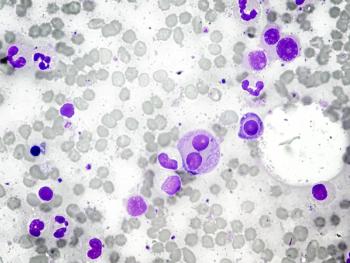
In an interview with Pharmacy Times, LINKER-SMM1 study investigator Paula Rodríguez-Otero, MD, PhD, a hematologist at Clínica Universidad de Navarra in Pamplona, Spain, explains how researchers selected high-risk patients and how she weighs infections against the potential to prevent progression to active disease.
BRUIN CLL-313 showed significantly longer progression-free survival vs bendamustine plus rituximab, bringing a noncovalent BTK inhibitor to first-line care.

Decades after cisplatin's approval, platinum-based chemotherapy continues to anchor treatment regimens across tumor types, new research finds.

Invasive pneumococcal disease may be the first sign of undiagnosed blood cancers and antibody deficiencies in adults, a new study finds.

A retrospective study from Japan found that oncology pharmacist assessment before medical examination was associated with higher rates of complete adverse event resolution in outpatient chemotherapy.
September’s hematology coverage examined a new definition of myeloma cure, patient preferences for treatment delivery, and emerging strategies for deepening responses.
Advertisement
Advertisement
Trending on Pharmacy Times
1
Semaglutide Normalized Liver Fat in Most Adults With Obesity
2
Phase 3 Trial Finds Adding Monoclonal Antibody to mRNA Vaccine Improves COVID-19 Immunization Tolerability
3
Reframing Statins and Brain Health Around Stroke Prevention
4
mRNA Reenters the Mainstream
5