In an interview with Pharmacy Times, City of Hope researchers discuss a preclinical platform designed to redirect CAR T cells after infusion and how pharmacists could help bring this adaptable approach into clinical practice.
Pharmacy Practice in Focus: Oncology
The safety of IV push iron sucrose amid shortages and breakthroughs in BCMA bispecifics and menin inhibitors reshape myeloma and leukemia care.
As we move into the February issue of Pharmacy Practice in Focus: Oncology, I’m struck by how quickly the treatment landscape continues to evolve and how essential it is for oncology pharmacists to stay ahead of both clinical innovation and practice-level operational challenges. This month’s peer-reviewed features reflect the breadth of responsibilities pharmacy teams shoulder every day, from navigating shortages and workflow constraints to mastering newly approved therapies for some of the most complex hematologic malignancies.
This month, peer-reviewed original research by Jessica Presnell, PharmD; Yatin Patel, PharmD, MBA, BCPS; and Stephanie Roskowski, PharmD, BCPS, provides timely insight into a practical challenge many health systems faced during the nationwide intravenous (IV) fluid shortage in the fall of 2024. Clinicians at Cone Health evaluated a systemwide transition from administering 200-mg doses of iron sucrose via IV piggyback to IV push. Their multicenter, retrospective analysis provides reassuring data: Shifting to IV push did not significantly alter the incidence of iron sucrose discordance or infusion reactions. At a time when conserving IV fluid was imperative, these findings highlight a sustainable approach that maintains patient safety and supports efficient care delivery.
In this issue, we also review the rapidly expanding role of B-cell maturation antigen (BCMA)–directed therapies in multiple myeloma. The accelerated approval of linvoseltamab-gcpt (Lynozyfic; Regeneron) in July 2025 marks the fourth bispecific T-cell–engaging antibody to enter the treatment armamentarium for relapsed or refractory disease. For patients who have exhausted multiple prior lines of therapy, linvoseltamab’s deep and durable responses offer another meaningful option in a landscape where options were once limited. For pharmacists, these advances underscore the need to stay current on evolving administration considerations, toxicity profiles, and sequencing strategies as BCMA-targeted treatments proliferate.
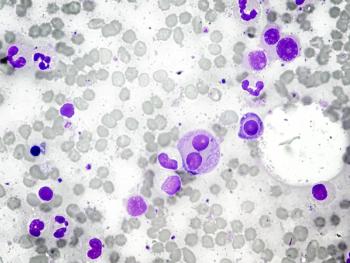
Our third peer-reviewed article examines one of the most anticipated areas in leukemia therapeutics: menin inhibition. With the approvals of revumenib (Revuforj; Syndax) and ziftomenib (Komzifti; Kura Oncology, Kyowa Kirin) for KMT2A-rearranged and susceptible NPM1-mutated acute leukemias, clinicians finally have targeted tools for historically difficult-to-treat subtypes. The pipeline remains active, with several additional agents advancing through clinical trials. As these therapies move into practice, pharmacists will play a central role in managing toxicity, educating interdisciplinary teams, and supporting patients through these novel regimens.
Taken together, this month’s articles reflect the ingenuity and adaptability that define oncology pharmacy. Whether optimizing operational workflows or integrating cutting-edge therapeutics, the oncology pharmacy community continues to drive progress that directly improves patient care. I hope you find the insights in this issue informative and energizing as we navigate another year of rapid change in oncology.
8 months ago
Beyond the Appearance of Doing It AllStay informed on drug updates, treatment guidelines, and pharmacy practice trends—subscribe to Pharmacy Times for weekly clinical insights.
Subscribe