






Pharmacy Management
Latest News
Advertisement
Latest Videos






CME Content



















































































Advertisement
More News

Pharmacists navigate reimbursement challenges while advocating for legislative support and innovative models to enhance patient care and financial sustainability.

New products are poised to aid pharmacists in proper counting of inventory to prevent medication errors.

The pharmacy is proud to be community focused and patient centered.

Pharmacists can counsel patients and educate the health care team about the risks of pharmacologically caused illnesses.

These directives are typically used to shape federal agencies and manage employees in the executive branch.

Counseling for behavior change helps patients understand the importance of their medications and make positive changes.

Advocacy fosters professional development, creates better working conditions, and enhances patient care.

Pharmacy staff can be instrumental members of shortage management teams.

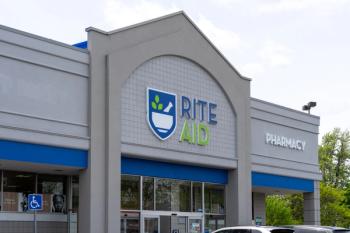
An insider expressed skepticism about the company’s future, indicating that Rite Aid may be looking to close up shop entirely.

By implementing work practices alongside administrative and engineering controls, a safe and healthy work environment can be achieved.

Pharmacy technicians have a pivotal opportunity to advance professionally by proactively demonstrating leadership, offering solutions, and clearly communicating their value to health care leaders.

Collecting, analyzing, and interpreting data are pharmacist skills.

M3P will be a financial lifeline for seniors while lowering certain pharmacy costs, but more education and tools are needed to make it successful with pharmacies and their customers.

How PBMs Are Reshaping Access, Affordability, and Outcomes in Modern Health Care

Will traditional PBMs adapt, or will disruptors take over?

Although PBMs claim integration reduces costs and improves efficiency, the reality is more complicated—and often leaves patients footing the bill.

The legislation is expected to improve the financial stability of independent and community pharmacies by ensuring fair reimbursement rates and allowing them to better manage their finances.

Automation can enhance medication management and support pharmacists' critical clinical roles.

Community pharmacies can enhance medication safety by proactively identifying risks and implementing targeted best practices.

Educating patients about the nutrition facts label and integrating food pharmacies are examples of pharmacist opportunities.

Sharita Howe, PharmD, discusses her recent acknowledgement by MM+M, who acknowledged her as a part of the next wave of health care leaders in their recognition of 40 under 40 leaders in health care.

David S. Bateshansky, PharmD, BCOP, discusses his role as an oncology pharmacist at USC Norris Comprehensive Cancer Center, noting the evolving recognition of pharmacists' contributions on cancer care teams.

A new free resource provides clear insights on contracted rates, enabling pharmacies to fill the community care gap.

Unlike other professionals such as nurses and physicians, pharmacists remain tethered to a fragmented state-by-state licensure model that creates unnecessary barriers to care.
Advertisement
Advertisement