






















































































Vertical and horizontal consolidation has had a significant impact on retail, specialty, and health-system pharmacies.
Vertical and horizontal consolidation has had a significant impact on retail, specialty, and health-system pharmacies.

A panel at the National Association of Chain Drug Stores Total Store Expo discusses the importance of expanding parental leave policies for new parents as well as mentorship for women pursuing leadership positions.
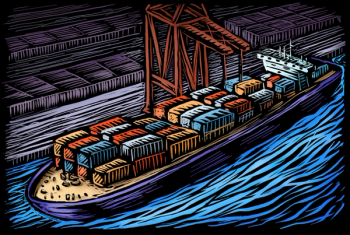
Following the seemingly endless disruptions to the country’s supply chain over the past 2-year period, signs are showing more pain before things get better.

High-level ethical decision making considers various ethical components and all stakeholders.

Narcissistic leaders have a negative impact on the culture of their organization as their conduct and management style induces fear.

Douglas Hoey, PharmD, MBA, CEO of National Community Pharmacists Association (NCPA), discusses potential causes and solutions for the current staffing issues facing so many community pharmacies.

In a recent survey, community pharmacists discussed current hardships in the industry, which include low supply, increasing costs, and trouble filling necessary positions.

Does your pharmacy have the right technology in place to meet the ever-changing needs of your community and your business?

Pharmacy managers manage the implementation of services, including ones commensurate with everyday practice as well as newer, more patient-centered services.

Organizational determinants can play an important role in whether or not MTM programs are successful.

Organizational culture is determined by how the organizational leadership responds to a crisis, how they adapt to new demands and how they correct an employee when mistakes happen.

Part 3 in a series outlining 5 crucial steps pharmacies can take to enhance patient engagement and lower operational costs.

Effective pharmacy managers help everyone to see the proverbial forest through the trees.

It is important to step back and see value creation for services from a broader and more fundamental perspective than the individual, daily tasks in the pharmacy.

Quality refers to a set of systems that minimizes errors, maximizes performance and efficiency, and which provides the user with an optimal experience to receive the greatest health benefits.

Each technology should be evaluated on its own merit and, importantly, in appropriate context for your organization given other resources.

Experts discuss tools and trainings that health care institutions have established during the pandemic to support hematology-oncology pharmacists who are struggling with wellness and mental health challenges.

Providing sufficient and comprehensive training about a new service could ensure both successful implementation and increased engagement of staff toward that intervention.

Evidence suggests there are benefits to a more holistic mentoring approach.

Mentorship in pharmacy is particularly important because it may contribute to the development of competent, proficient, and motivated pharmacists to lead the profession and continue to advance the field.

Self-audits help onsite frontline pharmacy leaders and team members to assess compliance before an external surveyor enters their pharmacy to inspect medication use processes.
Suzanne Soliman, PharmD, BCMAS, discusses pharmacy management.

When employees hint or openly share that they are feeling overextended, managers should acknowledge their concerns and work toward creative solutions.

Evidence suggests that there are many barriers to the proper implementation of MTM services, including time constraints and lack of staff support.

The growth of telehealth during the COVID-19 pandemic has caused health care providers to search for innovative solutions for harder to reach patient populations.