
Opinion|Videos|August 14, 2026
Testing categories in practice—clinical conversations
Author(s)Adam James, PharmD, Ashly McPhillips, PharmD
Fact checked by: Ron Panarotti
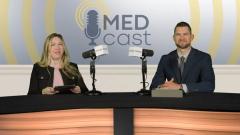
The conversation centers on colorectal cancer screening, at-home COVID-19 and flu testing, and fertility testing, with McPhillips and James stressing that pharmacists shouldn't shy away from uncomfortable conversations or treat self-tests as a substitute for further care.
Advertisement
The conversation centers on colorectal cancer screening, at-home COVID-19 and flu testing, and fertility testing, with Ashly McPhillips, PharmD, and Adam James, PharmD, stressing that pharmacists shouldn't shy away from uncomfortable conversations or treat self-tests as a substitute for further care.
McPhillips and James highlight the recently lowered colorectal cancer screening age of 45 and the need for pharmacists to proactively flag this to patients—especially those between providers or managing conditions like diabetes and hypertension—while being direct about collection method education so at-home samples aren't wasted. They extend the same "don't avoid the hard conversation" principle to COVID-19 and flu testing, sharing a case in which a positive at-home test allowed a pharmacist to quickly get an immunocompromised patient on nirmatrelvir and ritonavir (Paxlovid), and suggest that these encounters also serve as natural opportunities for vaccine counseling.
The discussion then turns to 2 areas requiring more caution: urinary tract infection testing, where results can jump-start treatment but shouldn't replace culturing or physician follow-up, and fertility/sperm quality testing, which the pair frames as one of the more sensitive categories pharmacists will encounter. McPhillips describes using a private consultation room and an open, judgment-free approach to these conversations, and both agree the throughline across every test type is the same: guiding the patient to the right next step, not just handing over a result.
Advertisement
Related to this article

A pharmacist-led collaborative drug therapy management program at NYC Health + Hospitals/Bellevue reported high patient satisfaction, and every surveyed patient said they felt respected and supported by their pharmacist.
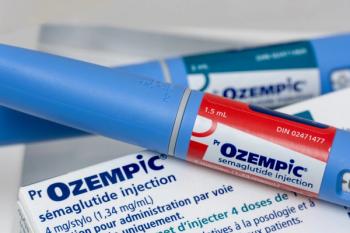
A Novo Nordisk-funded claims analysis of adults with type 2 diabetes found an adjusted HR of 1.06 for MACE with switching, though the findings cannot show causation.

Invasive pneumococcal disease may be the first sign of undiagnosed blood cancers and antibody deficiencies in adults, a new study finds.

A retrospective study from Japan found that oncology pharmacist assessment before medical examination was associated with higher rates of complete adverse event resolution in outpatient chemotherapy.
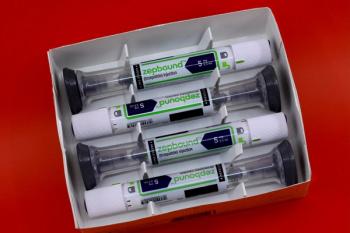
A new analysis finds a significant weight loss edge for tirzepatide under one estimand but not another; no head-to-head trial exists at these doses.
In SCOUT-HCM, mavacamten reduced the Valsalva LVOT gradient by 48 mm Hg versus placebo in adolescents. REMS, echo monitoring, and CYP interactions still apply in the new population.

September’s pain management coverage examined postoperative nonopioid options, lessons from sickle cell pain research, and pharmacists’ experiences with controlled-substance prescribing.
September’s hematology coverage examined a new definition of myeloma cure, patient preferences for treatment delivery, and emerging strategies for deepening responses.
Advertisement
Advertisement
Trending on Pharmacy Times
1
Tirzepatide Linked to More Weight Loss Than Semaglutide 7.2 mg
2
September 2026 in Pain Management: 4 Updates on Treatment and Pharmacy Practice
3
Pharmacists Can Close CKD Medication Adherence Gaps, PHTI Says
4
Pharmacist, Advocate, Ally: Delivering Comprehensive Gender-Affirming Care
5